
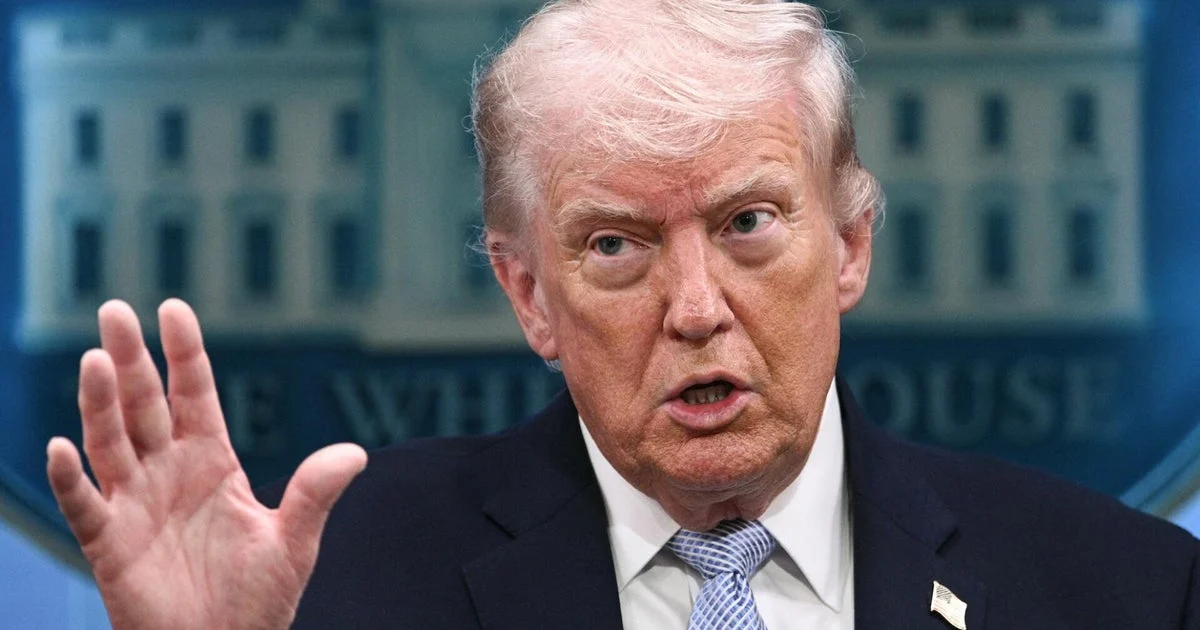
President Donald Trump has agreed to a two-week ceasefire on bombing operations targeting Iran, contingent upon Iran reopening access to the Strait of Hormuz, a vital maritime passage.
Details of the Ceasefire Agreement
The agreement stipulates that the United States will cease bombing Iran for a period of two weeks. This pause in military action is conditional and will only take effect if Iran agrees to allow unrestricted passage through the Strait of Hormuz. The Strait is a key route for global oil shipments, and its closure or restriction has significant implications for international trade and regional stability.
Strategic Importance of the Strait of Hormuz
The Strait of Hormuz connects the Persian Gulf to the Gulf of Oman and the Arabian Sea, serving as a critical chokepoint through which approximately 20% of the world’s petroleum passes. Control or disruption of this narrow waterway can directly impact global oil prices and supply chains. Ensuring freedom of navigation through the Strait has long been a strategic objective for the U.S. and its allies amidst tensions with Iran.
Context of U.S.-Iran Hostilities
The decision to implement a temporary ceasefire comes amid escalating conflicts between the United States and Iran. The Strait of Hormuz has been a flashpoint in the broader hostilities, including past military strikes and retaliations involving both nations. The two-week halt could serve as a short-term de-escalation measure while diplomatic or strategic negotiations continue.
Read more Politics stories on Goka World News.