
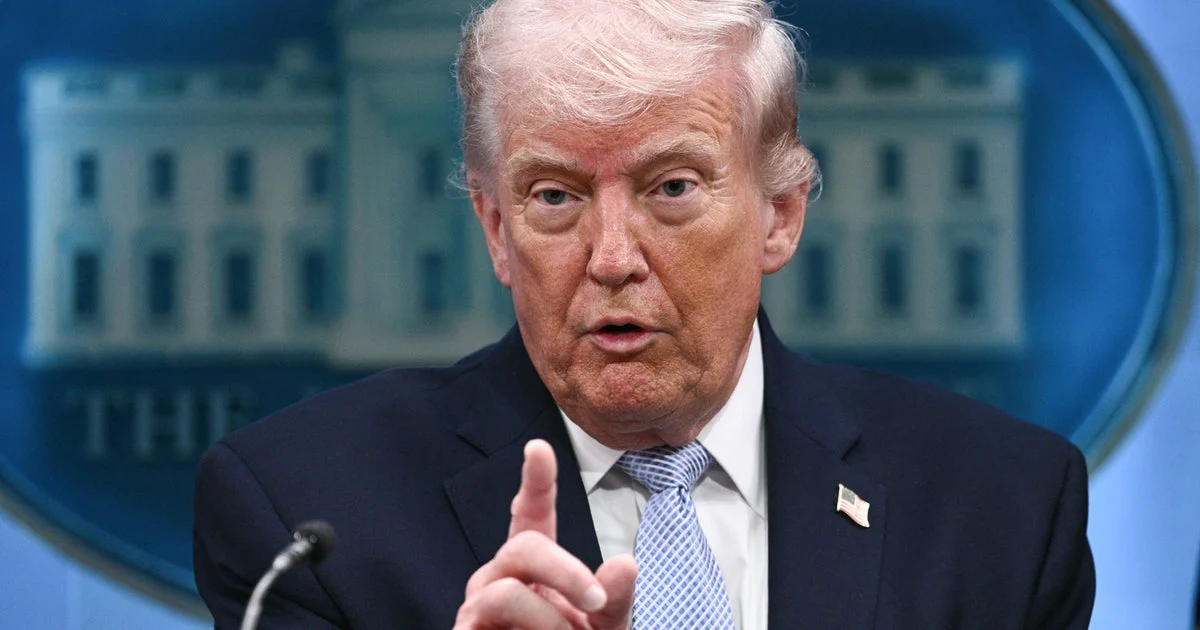
President Donald Trump announced on April 7, 2026, that the United States and Iran have agreed to a two-week “double sided CEASEFIRE,” postponing planned U.S. strikes on Iranian infrastructure. The ceasefire hinges on Iran’s commitment to fully and safely reopen the strategically vital Strait of Hormuz, a shipping lane critical for global oil supplies.
The president posted the ceasefire announcement on his social media platform, Truth Social, stating the U.S. had “already met and exceeded all Military objectives” and was pausing military attacks at Pakistan’s request. Iranian Foreign Minister Seyed Abbas Araghchi confirmed Iran would suspend “defensive operations,” including drone and missile strikes targeting U.S. allied nations, if U.S. attacks cease. Iran’s forces also pledged to coordinate safe passage through the Strait of Hormuz.
A White House official told CBS News that Israel, a U.S. partner in the conflict, agreed to the ceasefire as well. The war, ongoing for nearly six weeks since late February, began with joint U.S.-Israeli strikes on thousands of Iranian targets and escalated with Iranian retaliatory attacks against Israel and Gulf allies.
Following the ceasefire declaration, U.S. oil prices dropped sharply, with West Texas Intermediate futures falling over 13% to below $92 per barrel. The Strait of Hormuz normally channels about one-fifth of the world’s oil exports; its partial closure during the conflict significantly contributed to elevated fuel costs.
This ceasefire marks a pause for diplomacy, with Iran’s Supreme National Security Council announcing plans to begin negotiations in Islamabad, Pakistan, on April 10. The council emphasized “complete distrust toward the American side,” while expressing determination to continue fighting if no agreement is reached.
Trump indicated both sides were close to finalizing a “definitive Agreement concerning Longterm PEACE with Iran,” citing a 10-point peace plan submitted by Iran as a workable foundation. However, Iran’s conditions include U.S. military withdrawal from regional bases, full compensation, lifting of sanctions, and Iranian control over the Strait of Hormuz—demands that represent significant potential shifts in U.S. policy but whose acceptance by Washington remains uncertain.
The U.S. objectives also focus on preventing Iran’s nuclear weapons capability, with Trump reiterating calls for an end to uranium enrichment, a point of ongoing contention as Iran maintains its nuclear program is peaceful.
Why it matters
The ceasefire offers a temporary halt to hostilities that threatened to escalate into widescale bombardment of Iran’s power plants and infrastructure, reducing immediate risk for civilian casualties and regional destabilization. It also opens space for diplomatic negotiations aiming to resolve an intense conflict that has disrupted global oil markets and heightened geopolitical tensions in the Middle East.
Background
The conflict began on February 28, 2026, with coordinated strikes by the U.S. and Israel targeting Iranian military and nuclear facilities. Iran responded with missile and drone attacks on Israel and American partners across the Gulf. Central to the conflict’s escalation was control over the Strait of Hormuz, through which a significant proportion of the world’s petroleum passes. Closing this chokepoint had caused oil prices to reach multiyear highs.
Recent diplomatic pressure by Pakistan and others sought to avoid further escalation. Over the weekend prior to the ceasefire, Trump issued an ultimatum demanding Iran meet U.S. conditions or face devastating strikes. The ceasefire delays these strikes while negotiations continue.
Read more US News stories on Goka World News.