
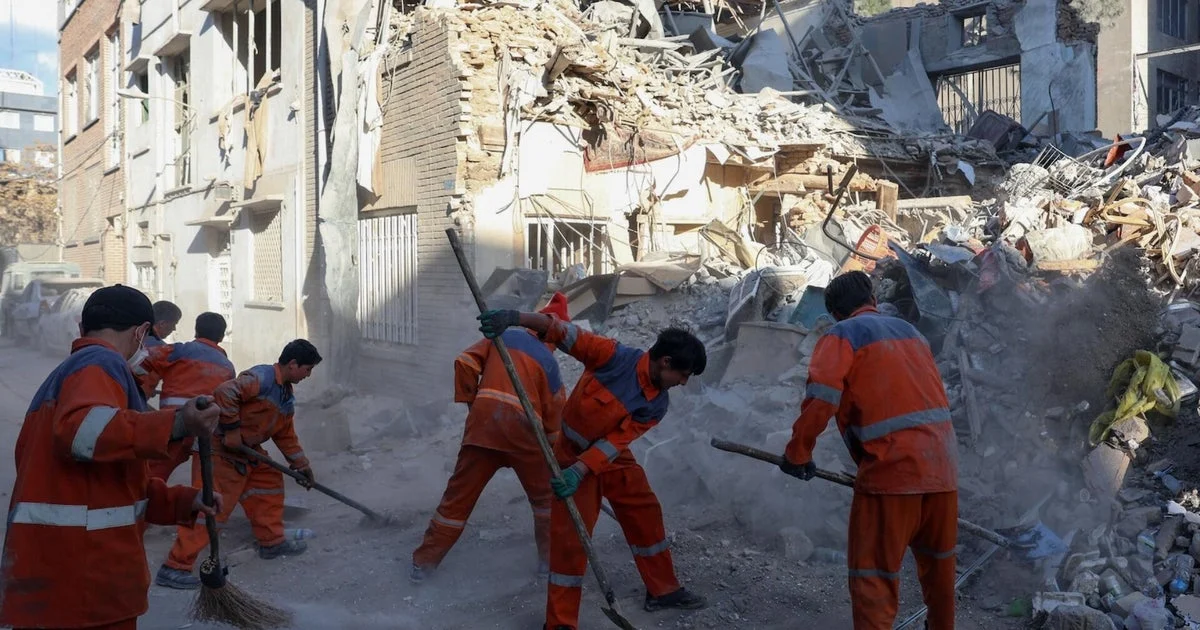
In a conflict spanning just over five weeks, the United States and Israel have reportedly targeted more than 17,000 locations within Iran, according to statements from military sources. This extensive campaign occurred as tensions escalated in the region, culminating in a two-week ceasefire announced by then-President Donald Trump.
Scale of the military campaign
The joint operations by U.S. and Israeli air forces focused on a wide array of Iranian military and strategic assets. While specific details about the targets remain limited, the large number reflects a sustained and intense air campaign designed to diminish Iran’s operational capabilities.
Ceasefire and diplomatic implications
The announcement of a two-week ceasefire marked a significant pause in hostilities, presumably allowing for diplomatic efforts or reassessment of military strategies. This cessation of active combat indicates a possible shift toward negotiations or at least a temporary halt in direct conflict after weeks of aggressive operations.
Regional impact
This campaign and subsequent ceasefire have substantial implications for Middle Eastern stability. The scale of the air strikes signals a high level of military engagement from both the U.S. and Israel, with potential repercussions for Iran’s regional influence and for the broader geopolitical landscape.
Why it matters
The reported destruction of over 17,000 Iranian targets in a short timeframe underscores the intensity of the conflict and the capacities of U.S. and Israeli forces to project power deep into Iranian territory. The ceasefire offers a critical juncture, with potential to influence future diplomatic relations and security in the region.
Read more Politics stories on Goka World News.