
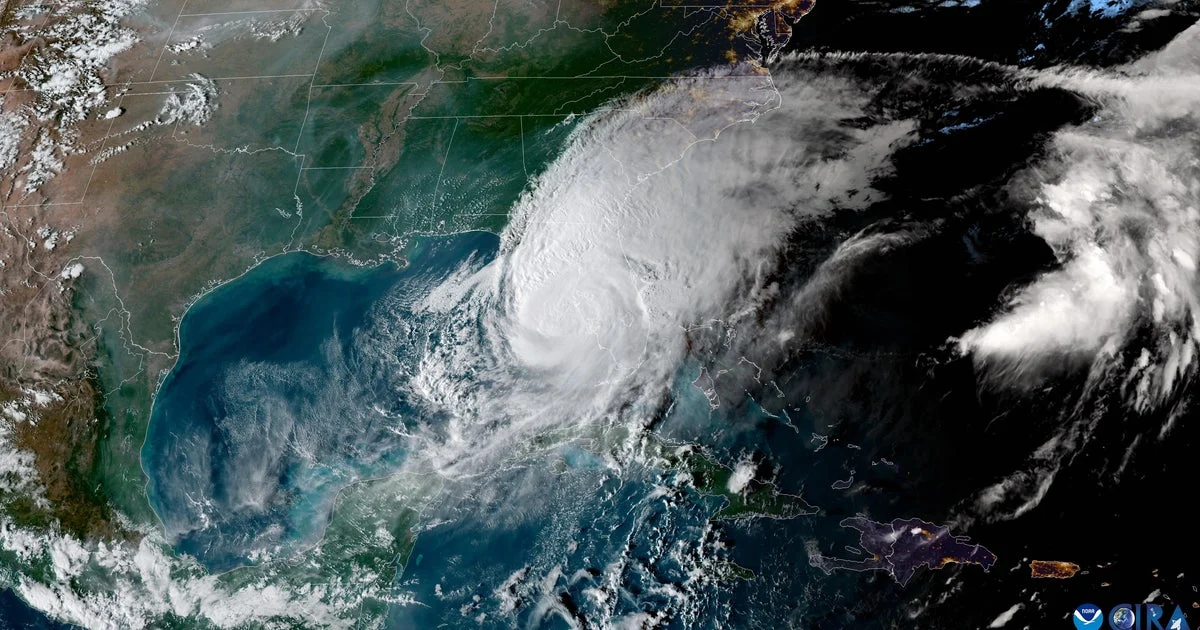
Colorado State University’s Tropical Cyclones, Radar, Atmospheric Modeling and Software team has released its initial forecast for the 2026 Atlantic hurricane season, predicting slightly below-average activity with 13 named storms and 6 hurricanes expected.
The forecast, published on April 9, anticipates two major hurricanes—Category 3 or higher—may form during the official hurricane period running from June 1 to November 30.
Forecast Details and Uncertainties
Lead author Phil Klotzbach highlighted at a news conference that the prediction carries inherent uncertainties, with “curveballs” possible as atmospheric conditions evolve. The team anticipates monitoring developments throughout the season, with updated forecasts from both Colorado State University and the National Oceanic and Atmospheric Administration (NOAA) expected as the season progresses.
According to the forecast, hurricane activity this year is projected to reach about 75% of the long-term seasonal average, representing a slight decrease from 2025, which had 13 named storms, 5 hurricanes, and 4 major hurricanes. Notably, no hurricanes made direct landfall in the U.S. last year, though the Caribbean experienced significant impacts, including from Hurricane Melissa, a Category 5 storm that struck Jamaica.
Influence of El Niño and Atlantic Conditions
The primary factor contributing to the predicted below-average season is the expected arrival of El Niño between May and July and its persistence through the end of the year. El Niño, the warm phase of the El Niño-Southern Oscillation (ENSO), tends to suppress Atlantic hurricane development by altering atmospheric conditions.
The Climate Prediction Center has assessed a 61% chance that El Niño will develop this spring or summer and become established during the hurricane season’s peak months of August through October. However, sea surface temperature trends in the Atlantic currently show mixed signals, and their future patterns could influence storm frequency and intensity, adding complexity to the forecast.
Risk and Preparedness Recommendations
While the forecast estimates a 32% chance of a major hurricane making landfall on the U.S. coastline and a 35% chance of one striking the Caribbean, meteorologists emphasize that even a single storm can have severe consequences. Co-author Delián Colón-Burgos stressed the importance of residents in vulnerable coastal areas preparing every season and staying alert regardless of predicted storm counts.
The forecast also lists the designated storm names for 2026, beginning with Arthur, followed by Bertha, Cristobal, and continuing alphabetically. Storms receive names upon reaching sustained winds of 39 mph, with hurricane status declared at 74 mph winds.
Background
Colorado State University’s tropical cyclone forecasts, issued annually since the 1980s, are among the earliest and most closely watched for the Atlantic hurricane season. They provide initial guidance for emergency management officials, insurers, and residents in hurricane-prone regions, offering insight into seasonal risk outlooks several months in advance.
The Atlantic hurricane season typically averages 14 named storms, 7 hurricanes, and 3 major hurricanes. The impact of ENSO phases like El Niño and La Niña on seasonal hurricane activity has been well documented, with El Niño generally associated with reduced hurricane formation in the Atlantic basin.
Read more US News stories on Goka World News.