
President Trump has warned Iran that failure to comply with the ceasefire terms agreed upon ahead of planned negotiations this weekend would prompt large-scale U.S. military attacks. However, Iran contends that the United States is breaching the agreement by allowing Israel to continue its military operations against Hezbollah in Lebanon, a claim the White House denies, asserting that the Lebanon conflict was not part of the ceasefire deal.
This dispute has raised international tensions and contributed to cautious market reactions, with oil prices nearing $100 a barrel and stock markets retreating from earlier optimism generated by the ceasefire announcement. Furthermore, Iran continues to exert control over the strategic Strait of Hormuz, demanding vessels seek permission and pay fees to navigate through its coastal waters amid warnings about sea mines.
Conflicting Views on Ceasefire Scope
The crux of the disagreement lies in whether the ceasefire between the U.S. and Iran extends to the conflict between Israel and Hezbollah in Lebanon. Iranian officials, including Parliament Speaker Mohammad Bagher Qalibaf, have insisted that the ceasefire covers Lebanon and have threatened strong responses if Israeli strikes continue. Conversely, Israel and the United States maintain that Lebanon’s conflict is not included in the agreement.
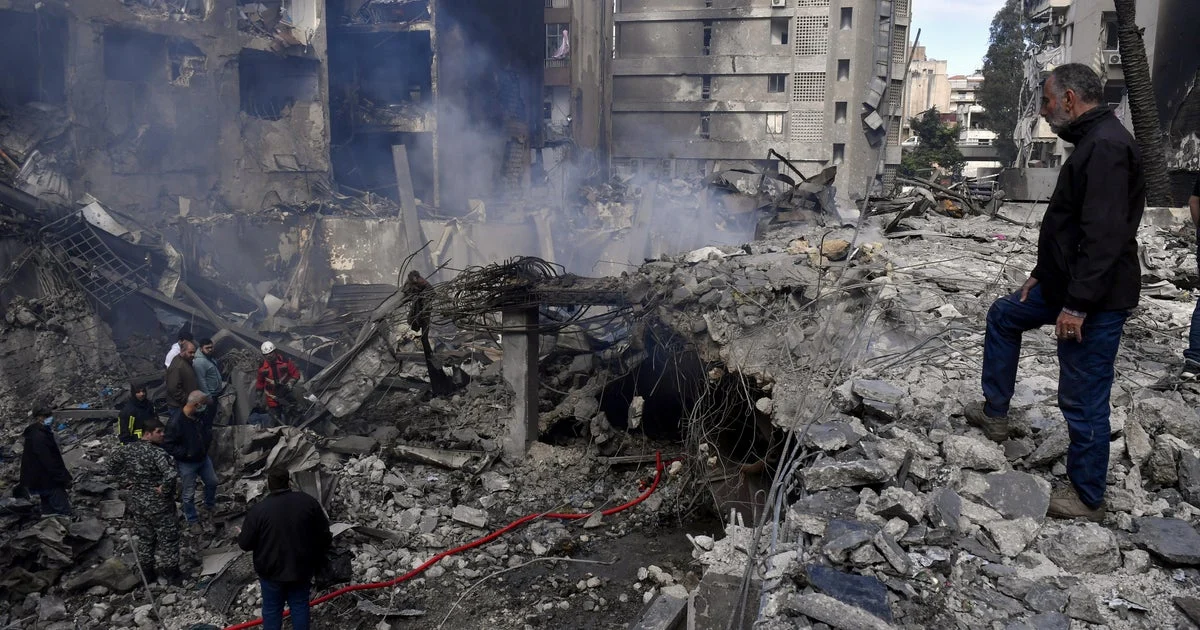
In line with this position, Israeli Defense Minister Israel Katz stated that recent airstrikes in Lebanon killed approximately 200 fighters, describing the operation as a significant blow to Hezbollah. Lebanon’s government, however, reported that the strikes led to at least 203 deaths, emphasizing substantial civilian casualties and widespread destruction in residential areas.
Political and Diplomatic Reactions
In response to Israel’s actions, Israeli Prime Minister Benjamin Netanyahu announced plans to initiate direct negotiations with Lebanon, focusing on disarming Hezbollah and pursuing peaceful relations. This comes amid continuing hostilities and differing international interpretations of the ceasefire’s scope.
Meanwhile, more than 80 countries issued a joint statement condemning persistent attacks in Lebanon and calling for accountability in the killings of U.N. peacekeepers, though the U.S. was notably absent from the list of signatories. The statement reaffirmed support for the United Nations Interim Force in Lebanon (UNIFIL) and urged a return to the 2024 ceasefire framework.
U.S. Domestic Response and Military Developments
At home, House Democrats criticized the administration’s ceasefire negotiations as chaotic and called for congressional actions to limit President Trump’s authority to conduct further military operations against Iran. Attempts to advance war powers resolutions have been blocked by Republicans, prolonging political debate over the administration’s approach.
Additionally, the U.S. Department of Defense has reported the loss of eight MQ-9 Reaper drones in the Middle East since April 1, bringing total losses during the conflict to 24, with each drone valued at approximately $30 million or more. These unmanned aerial vehicles face vulnerabilities given their design for counterterrorism rather than engagements against modern air defenses.
Why it matters
The dispute over whether Israel’s war in Lebanon is covered by the Iran ceasefire threatens to unravel a fragile agreement that aimed to de-escalate tensions in the region. The ambiguity complicates diplomatic efforts ahead of upcoming negotiations and increases the risk of broader conflict escalation involving multiple state and non-state actors.
Read more World News stories on Goka World News.