
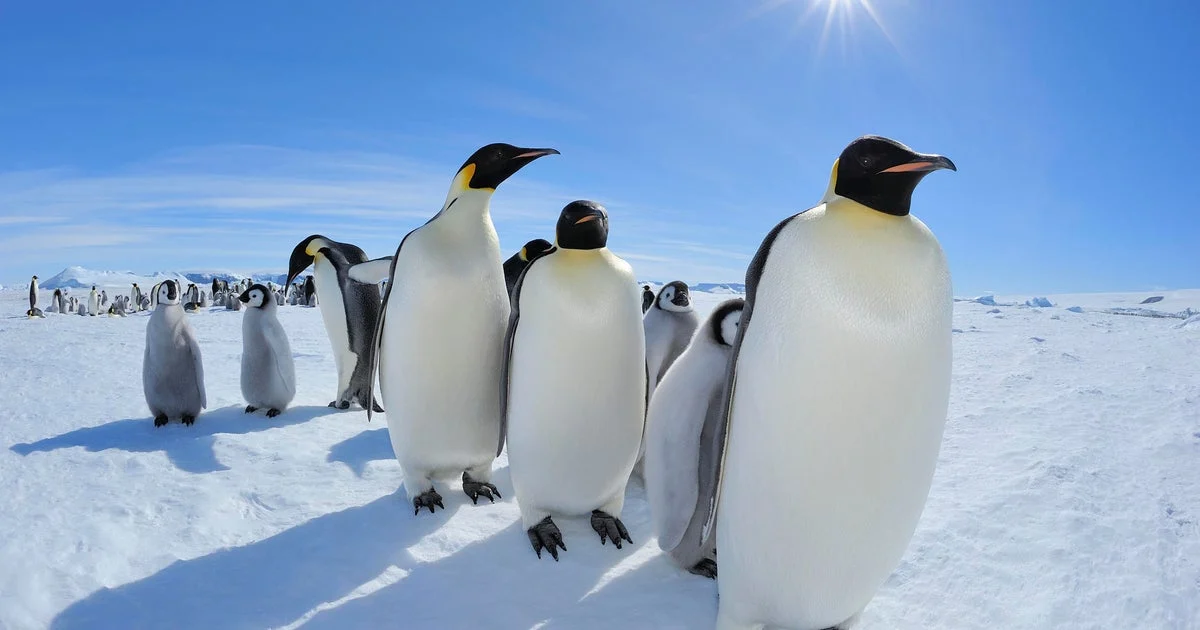
The emperor penguin, a species native to Antarctica, has been officially listed as endangered by the International Union for Conservation of Nature (IUCN). This change reflects increasing concerns over the impacts of climate change on the species’ habitat, signaling a significant risk of extinction if current trends continue.
Climate Change Threatens Emperor Penguin Survival
Emperor penguins depend on stable sea ice to breed, hunt, and raise their chicks. The species relies on frozen ocean platforms to incubate eggs and protect vulnerable chicks before they develop waterproof feathers. However, climate change has caused earlier break-ups and overall reductions in sea ice extent around Antarctica since 2016, leading to a dramatic population decline.
According to the IUCN, the loss and instability of sea ice are projected to reduce the emperor penguin population by half by the 2080s. Satellite data confirms that between 2009 and 2018, roughly 10% of adult penguins—approximately 20,000 individuals—disappeared. The IUCN states that this decline is primarily due to human-induced climate change, disrupting the ecosystem and food availability.
Scientific Assessments and Conservation Status
The IUCN’s Red List categorizes the emperor penguin as endangered, two steps away from extinction in the wild, underscoring the species’ dire situation. Philip Trathan, an IUCN expert involved in the assessment, emphasized that emperor penguins serve as a sentinel species, reflecting the broader consequences of global warming on Antarctica’s frozen environment.
Additional species affected by environmental changes include the Antarctic fur seal, recently reclassified as endangered due to a population drop exceeding 50% since 1999, and the southern elephant seal, now listed as vulnerable following disease-related declines.
Why it matters
The endangered listing of the emperor penguin highlights the urgent need to address climate change impacts on polar ecosystems. As a species intricately tied to sea ice stability, their decline signals broader ecological disruptions with potentially irreversible consequences. Protecting this flagship Antarctic species requires reducing greenhouse gas emissions and preserving critical habitats to maintain biodiversity and ecosystem health in the polar regions.
The IUCN Red List remains the world’s foremost authority on species conservation status, helping guide international policies and conservation strategies. This reclassification will likely intensify scientific and conservation efforts to mitigate the impacts of climate change on Antarctic wildlife.
Read more Climate & Environment stories on Goka World News.