
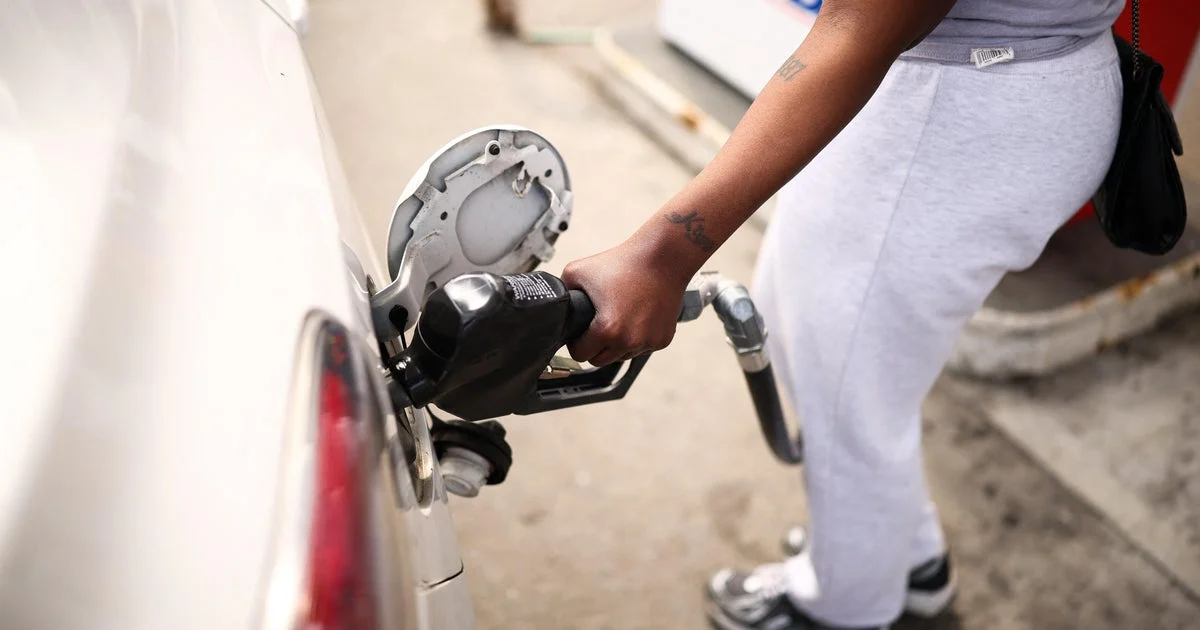
A ceasefire agreement between the U.S. and Iran has eased immediate geopolitical tensions, but experts caution that any significant drop in U.S. gas prices is likely to be gradual and dependent on continued stability in the region.
Patrick De Haan, petroleum expert at GasBuddy, indicated that gasoline prices might start to fall as early as this weekend, although initial decreases could be minor, amounting to just a few cents per gallon. He noted that if no new conflict arises, the national average for regular gasoline could eventually dip below $4 per gallon within a few weeks.
Despite the recent diplomatic truce, fuel prices remain high. The national average for a gallon of regular gasoline reached $4.16 on Wednesday, rising sharply from $2.98 before the U.S. and Israel launched attacks on Iran late last February. Some states are experiencing prices exceeding $5 per gallon, and diesel averages stand at $5.67.
Experts warn that any reversal or deterioration of the ceasefire could rapidly reverse these modest price declines. De Haan emphasized that renewed escalation would halt price drops and potentially push prices upward again.
Global oil prices have fallen below $95 a barrel, down from earlier levels during the conflict, but remain elevated compared to the $65–$75 range before hostilities began. Bernard Yaros, lead U.S. economist at Oxford Economics, expects the ceasefire to at least stabilize gas prices, but highlighted ongoing concerns about the security of the Strait of Hormuz. This crucial waterway in the Persian Gulf handles about one-fifth of the world’s oil and liquefied natural gas shipments, making its status critical for global energy markets.
Reports from Iranian media claim Tehran has suspended tanker traffic through the Strait of Hormuz and is contemplating withdrawing from the ceasefire due to Israeli attacks in Lebanon. The White House, however, denied such reports as false, according to White House press secretary Karoline Leavitt.
Mark Zandi, chief economist at Moody’s Analytics, forecasts that if oil prices hold near $90 a barrel in the next few weeks, U.S. gas prices could decline to about $3.75 per gallon. By year-end, he projects oil prices around $80 per barrel and gasoline prices near $3.50 per gallon. However, he does not expect prices to return below $3 per gallon anytime soon, noting that fuel prices tend to rise quickly but fall slowly.
Why it matters
Gasoline prices are a significant component of consumer expenses and inflation pressure. The Iran-U.S. ceasefire reduces immediate risks of supply disruptions, offering potential stabilization or decline in fuel costs. However, fragile regional security, particularly regarding tanker traffic through the Strait of Hormuz, continues to pose risks for price volatility. Understanding this dynamic helps consumers, policymakers, and businesses anticipate fuel market trends and economic impacts.
Background
Fuel prices surged after U.S. and Israeli military actions against Iran in late February 2026, pushing gasoline prices to multiyear highs. The Strait of Hormuz is a strategic chokepoint for global energy shipments, and threats to its accessibility exacerbate oil market uncertainty. The recent ceasefire between conflicting parties marked a critical diplomatic development aimed at de-escalating hostilities, though regional tensions persist due to broader geopolitical disputes, including conflicts involving Israel and Lebanon.
Read more Business stories on Goka World News.