
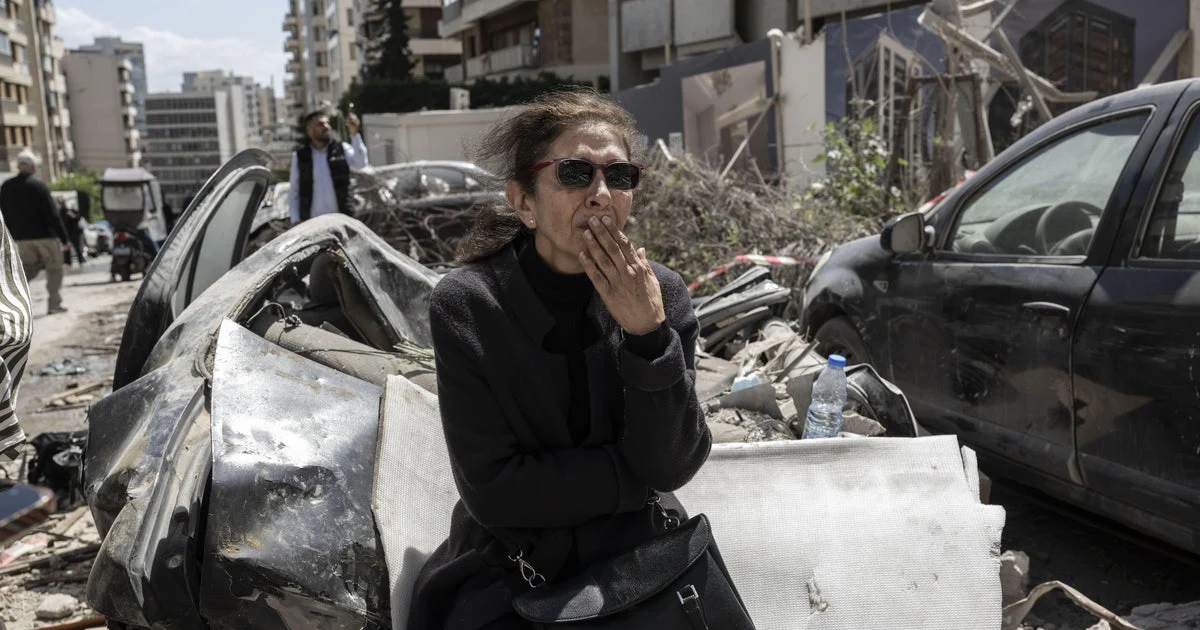
Israel’s ongoing military strikes in Lebanon have intensified tensions surrounding a recently declared ceasefire between the United States and Iran. The disagreement centers on whether Lebanon was part of the ceasefire terms signed earlier this week, with Iran insisting it was included and the U.S. and Israel denying that claim.
Saeed Khatibzadeh, Iran’s deputy foreign minister, condemned Israel’s strikes on Wednesday as a “grave violation” of the ceasefire agreement. He emphasized that the U.S. must choose “between war and ceasefire,” stating that the truce covered all hostilities by both countries and their allies, including in Lebanon. Iran’s parliamentary speaker, Mohammad Bagher Qalibaf, echoed this view, asserting on social media that Lebanon and other Iranian allies are an “inseparable part of the ceasefire,” referencing the 10-point proposal underpinning the agreement.
Pakistani Prime Minister Shehbaz Sharif, who brokered the ceasefire, also included Lebanon in his announcement, saying the ceasefire was to take effect “immediately everywhere including Lebanon and elsewhere.”
By contrast, the White House and Israeli officials maintain that Lebanon was excluded from the ceasefire deal. President Donald Trump stated that Israel’s continued attacks in Lebanon are “part of the deal” and constitute “a separate skirmish.” Vice President JD Vance described Iran’s inclusion of Lebanon as a “reasonable misunderstanding.” Israeli military reports indicate that they targeted approximately 100 Hezbollah sites across Lebanon during a ten-minute operation on Wednesday.
Casualty figures on the Lebanese side are significant, with Lebanon’s health ministry reporting at least 203 deaths and the prime minister acknowledging substantial civilian harm. Israel’s defense minister claimed around 200 militants were killed. Prime Minister Benjamin Netanyahu announced plans to initiate direct negotiations with Lebanon aimed at disarming Hezbollah and establishing peaceful relations.
Netanyahu emphasized that Iran had waived all preconditions to the ceasefire but insisted that Hezbollah would remain a target: “I insisted that the temporary ceasefire with Iran not include Hezbollah, and we continue to strike them forcefully.” When questioned if Iran would order Hezbollah to cease rocket attacks, Khatibzadeh described Hezbollah as a “pure Lebanese freedom movement” and denied that it acts on Iran’s behalf, despite acknowledging Iranian Revolutionary Guard involvement in training and arming the group.
Why it matters
The dispute over Lebanon’s status in the ceasefire agreement highlights deep regional complexities and the fragility of the peace efforts between the U.S. and Iran. Continued Israeli strikes in Lebanon risk escalating violence and undermining the ceasefire’s potential to halt hostilities broadly. For the millions displaced by the conflict, and for regional stability, clarity on ceasefire terms and compliance is critical.
Background
The conflict between Israel and Hezbollah, an Iran-backed Shiite militia and political party in Lebanon, has escalated following the October 7, 2023 Hamas attacks on Israel. Designated a terrorist organization by the United States, Israel, and the European Union (in part), Hezbollah has launched rocket attacks on northern Israel, prompting Israeli military retaliation. The war has displaced over one million Lebanese and triggered widespread humanitarian crises.
Iran’s strategic interests in Lebanon through Hezbollah complicate ceasefire negotiations, as both countries blame each other for violations. The ongoing conflict also ties into broader tensions including control of the Strait of Hormuz, a vital oil shipping route, which Iran says will remain secured under new international protocols despite U.S. pressure.
Read more World News stories on Goka World News.