
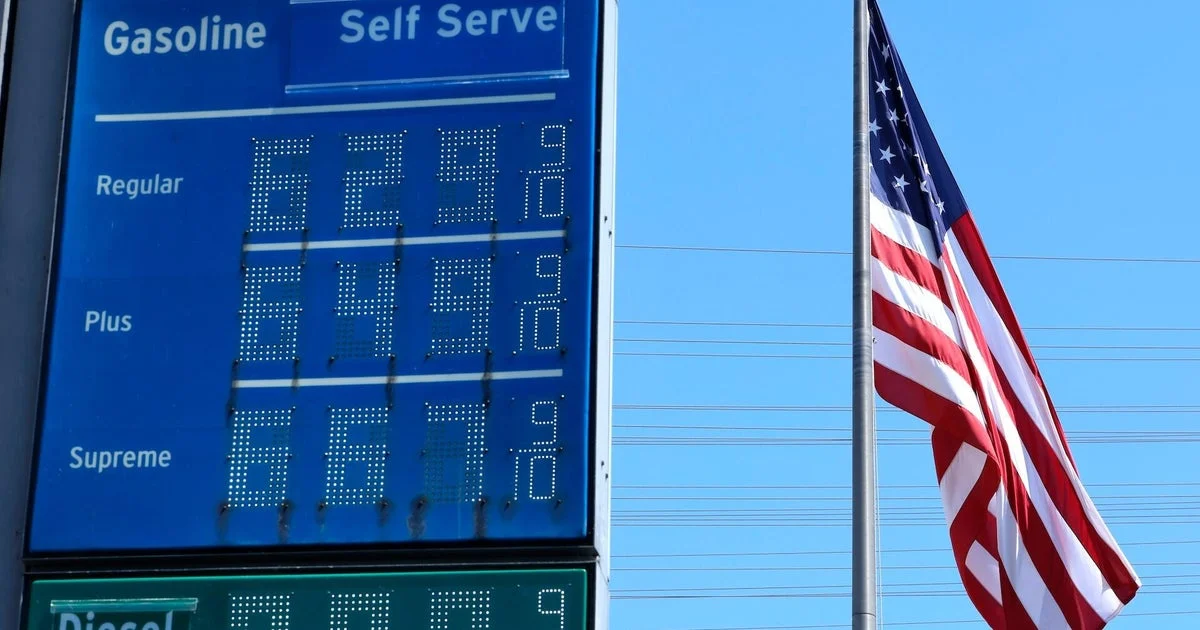
The recent temporary ceasefire in Iran has the potential to ease rising gasoline prices in the United States, according to CBS News business analyst Jill Schlesinger. This development could provide some economic relief for American consumers facing high fuel and living costs.
Following increased tensions and conflict in Iran, global oil markets experienced volatility that contributed to higher gas prices in the U.S. The ceasefire temporarily calms these tensions, which may stabilize oil supply and reduce fuel costs at the pump.
Lower gas prices often translate to increased discretionary spending, as consumers feel less financial pressure on transportation and energy expenses. This improved consumer confidence could have a positive ripple effect on the broader U.S. economy.
Why it matters
Energy costs are a significant component of household budgets and influence inflation and consumer behavior. A slowdown or reversal in gas price increases can help reduce inflationary pressures and support economic growth. Moreover, lower fuel costs can ease the financial burden on low- and middle-income households, improving overall economic stability.
Though the ceasefire is currently temporary and subject to change, its effect on oil markets underscores the sensitivity of the U.S. economy to geopolitical developments in the Middle East. Market watchers and policymakers will closely monitor any continuation or breakdown of the ceasefire for further economic implications.
Read more Business stories on Goka World News.