
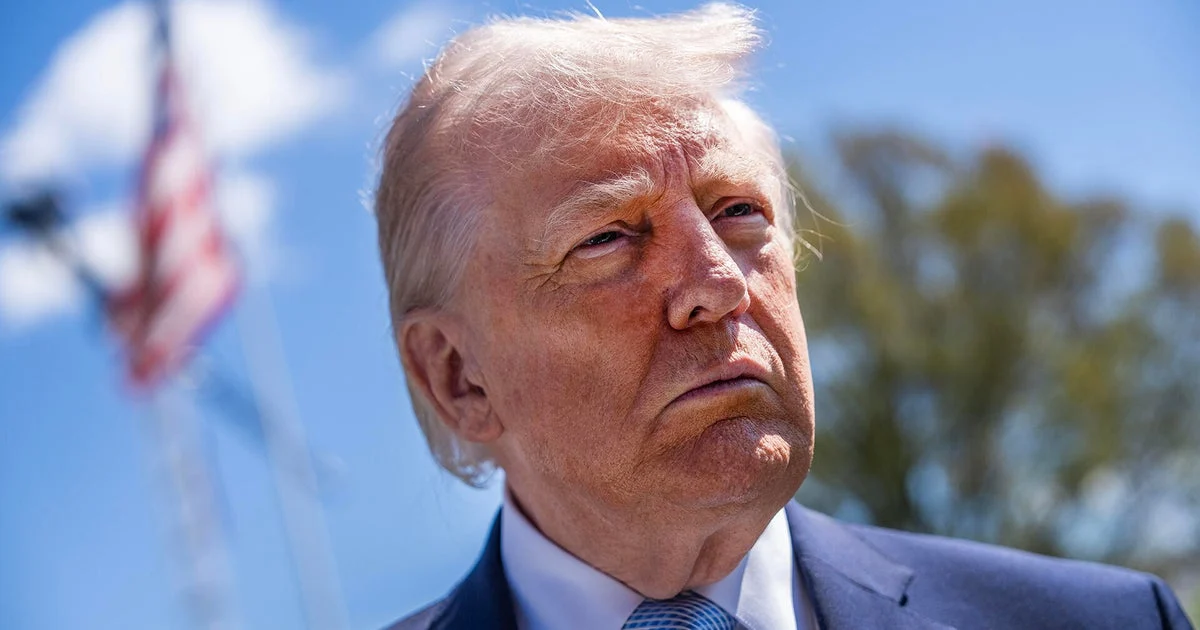
The ceasefire between the United States and Iran remains uncertain as diplomatic efforts to stabilize the region encounter ongoing tensions. High-level discussions and visits signal attempts to manage the fragile state of relations, but underlying conflicts persist.
Diplomatic Engagements Highlight Fragility
Recent meetings between key international leaders, including NATO Chief Mark Rutte’s visit to the White House and engagements with President Trump, underscore the diplomatic focus on the U.S.-Iran conflict. These discussions aim to reinforce commitments to ceasefire terms and explore paths toward de-escalation.
Challenges to Sustained Peace
Efforts to maintain the ceasefire confront numerous obstacles due to ongoing geopolitical disputes, military incidents, and mutual distrust. Both Washington and Tehran continue to navigate complex political landscapes that affect adherence to ceasefire agreements.
Related Regional Implications
The situation between the U.S. and Iran holds significant implications for Middle Eastern stability and international security. Persistent instability risks broader confrontations, impacting global diplomatic and economic interests tied to the region.
Why it matters
The fragile ceasefire between the U.S. and Iran is a critical factor in preventing renewed conflict in a volatile region. Maintaining dialogue and enforcing ceasefire measures are essential to avoiding escalation that could affect global energy markets and international security.
Background
The U.S.-Iran ceasefire followed years of heightened tensions marked by sanctions, military confrontations, and proxy conflicts. Diplomatic endeavors continue to seek a sustainable resolution amid competing strategic interests and regional alliances.
Read more World News stories on Goka World News.