
U.S. inflation surged in March to a 3.3% annual rate, the highest level since May 2024, driven primarily by steep increases in energy prices linked to the ongoing Iran war, according to the latest Consumer Price Index (CPI) report released by the Bureau of Labor Statistics.
Economists had forecast inflation to rise from 2.4% in February to 3.3% in March, a nearly one percentage point increase, reflecting the sharp impact of geopolitical tensions on energy markets. The conflict constrained crude oil shipments through the Strait of Hormuz, a critical passage for global oil supplies, causing prices to spike markedly.
Energy Price Impact on Inflation
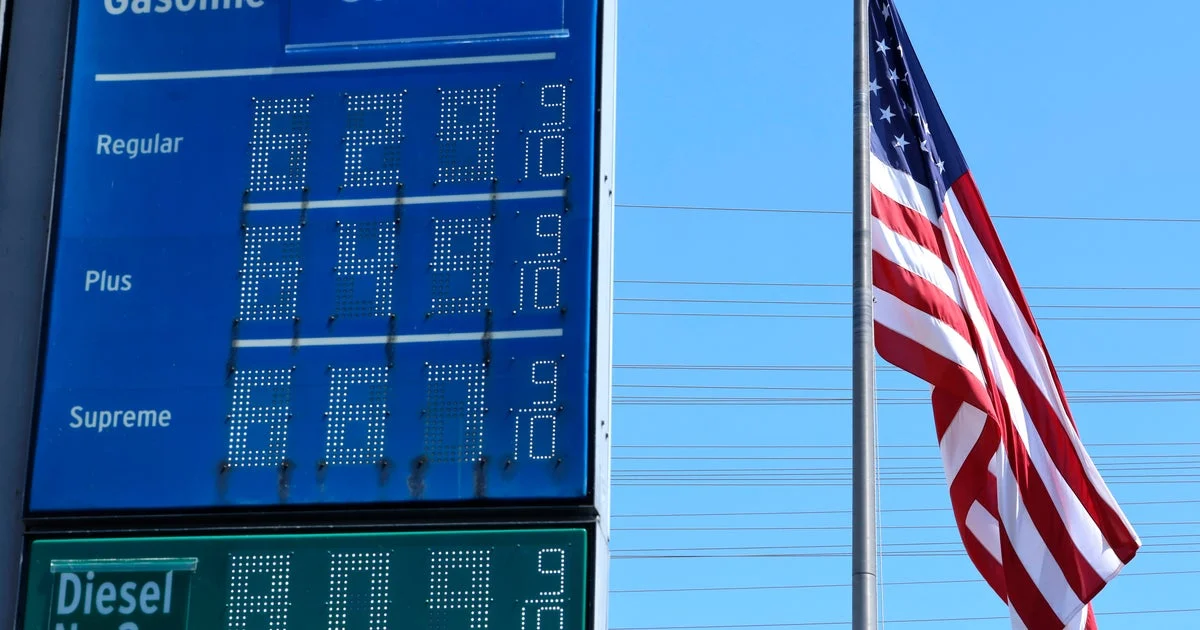
The CPI data shows energy prices soared 10.9% month-over-month, led by a 21.2% jump in gasoline costs, marking the largest monthly increase in gas prices since recordkeeping began in 1967. Brent crude oil rose from $73 per barrel before the war erupted on February 28 to about $95.88 by early April, with the U.S. benchmark hovering near $97.
Gasoline prices have risen nearly 40% since the escalation of the Iran conflict, pushing the national average to $4.15 per gallon. While a two-week ceasefire between the U.S. and Iran could ease prices if maintained, energy experts caution it may take weeks before pump prices fall below $4 a gallon.
Core Inflation and Broader Effects
Core inflation, which excludes volatile energy and food prices, increased 0.2% in March and 2.6% annually, slightly below economists’ expectations. This suggests that the surge in energy costs has yet to fully permeate other sectors.
However, experts warn higher energy costs may soon drive up prices for other goods and services, including apparel, food, and transportation. The CPI noted a 14.9% annual increase in airline fares amid carriers raising prices to offset higher fuel costs.
Some economists highlighted that inflation was already heating up before the Iran war, referencing the Personal Consumption Expenditures (PCE) price index, which stood at 2.8% annual growth in February, above the Federal Reserve’s 2% target.
Monetary Policy Outlook
The Federal Reserve is expected to hold interest rates steady in the near term to assess the inflationary effects of the Iran conflict. The March core inflation outcome supports this cautious stance, indicating that the energy-driven jump may not yet signify broader price pressures.
At its March meeting, the Fed maintained the federal funds rate between 3.5% and 3.75%, with projections for a possible rate cut in 2026. However, recent Fed minutes reveal some policymakers remain open to raising rates if inflation stays persistently above target.
Why it matters
The inflation spike highlights the sensitivity of U.S. prices to geopolitical disruptions in global oil supply, affecting household costs through sharply rising fuel and transportation expenses. Sustained higher energy prices could complicate the Federal Reserve’s efforts to keep inflation near its 2% goal, influencing future monetary policy and economic growth.
While supply chain conditions have improved since the 2022 inflation peak, ongoing uncertainty around the Iran war’s duration and intensity poses a significant risk to inflation stability in the coming months.
Read more Business stories on Goka World News.