
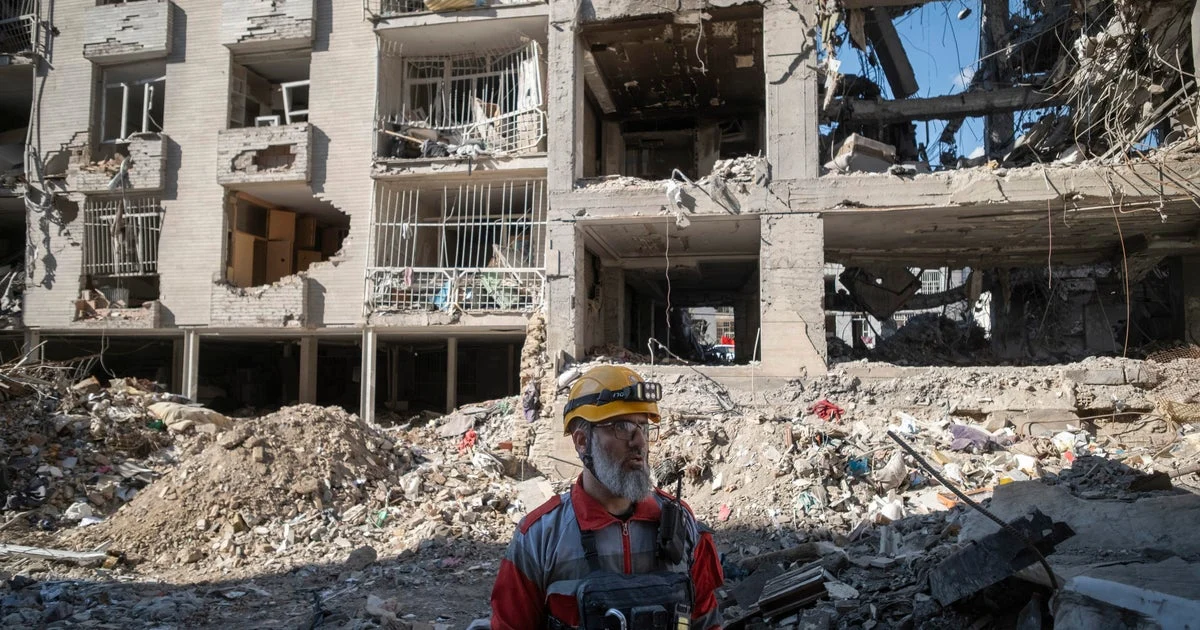
U.S. and Iranian negotiators are scheduled to meet in Islamabad for peace talks on Saturday, seeking to stabilize a fragile two-week ceasefire amid ongoing regional conflicts and strategic tensions. The discussions come as key issues remain unresolved, including control over the Strait of Hormuz, Israel’s clashes with Hezbollah in Lebanon, and Iran’s nuclear program.
Details of the Islamabad Negotiations
The high-stakes negotiations involve Vice President JD Vance and senior U.S. envoys Steve Witkoff and Jared Kushner, who are en route to the Pakistani capital. Iran’s participation is contingent upon conditions outlined by Iranian Parliamentary Speaker Mohammad Bagher Ghalibaf, who stated two prerequisites for progress: a ceasefire in Lebanon and the release of Iranian assets held abroad. Both remain unfulfilled as of Friday.
Simultaneously, the U.S. is coordinating separate talks in Washington involving Israeli and Lebanese representatives aimed at deescalating border violence between Israel and Hezbollah, though recent days have seen continued attacks without signs of abatement.
Strait of Hormuz and Economic Impact
Shipping traffic through the Strait of Hormuz—a critical global oil transit route—currently operates at roughly 10% of its normal capacity, White House National Economic Council director Kevin Hassett reported. This reduced flow is contributing to sustained volatility in global energy markets, with Brent crude oil prices fluctuating around $97 per barrel after peaking above $119 earlier in the conflict.
Reports also suggest Iran may introduce a toll on vessels transiting the strait under any long-term agreement, a move that analysts fear could grant Tehran significant geopolitical leverage and exacerbate economic risks worldwide.
U.S. Military Preparations and Political Responses
President Donald Trump emphasized the U.S. military’s readiness to resume strikes if negotiations fail, stating that warships are being rearmed with advanced munitions. “We’re loading up the ships with the best weapons ever made,” Trump said, signaling a willingness to escalate military actions beyond current levels.
Meanwhile, former Vice President Kamala Harris criticized the conflict as a “war of choice” during a public event, expressing clear opposition to the ongoing military engagement.
Heightened Security and Market Reactions
Islamabad is under heavy security with checkpoints and roadblocks surrounding the meeting venue, reflecting the diplomatic significance of the talks. The Pakistani government has branded the event “The Islamabad Talks,” underscoring its role as mediator in this critical dialogue.
Financial markets reacted cautiously with minor stock index declines amid uncertainties about the negotiations’ outcome. The S&P 500 slipped 0.1%, the Dow Jones fell 289 points, and Nasdaq gained 0.2% on Friday afternoon. Energy prices remain a major factor influencing inflation, as reflected in a recent U.S. Consumer Price Index report showing a 3.3% annual rise in March, largely driven by the energy supply shock linked to the conflict.
Why it matters
These talks represent a pivotal opportunity to prevent further escalation between the U.S. and Iran and reduce violence involving proxy groups such as Hezbollah. Control over the Strait of Hormuz directly affects global energy supplies and economic stability, making the negotiations critical for international markets and regional security. The outcome could shape future diplomatic and military dynamics in the Middle East.
Background
The strain in U.S.-Iran relations intensified following Tehran’s nuclear ambitions and proxy conflicts in the region, culminating in a war that disrupted critical oil exports through the Strait of Hormuz. The current ceasefire, fragile and challenged by ongoing skirmishes, has created a narrow window for diplomatic engagement. Previous sanctions and confrontations have deepened mistrust, complicating efforts to reach a comprehensive peace deal.
Read more World News stories on Goka World News.