
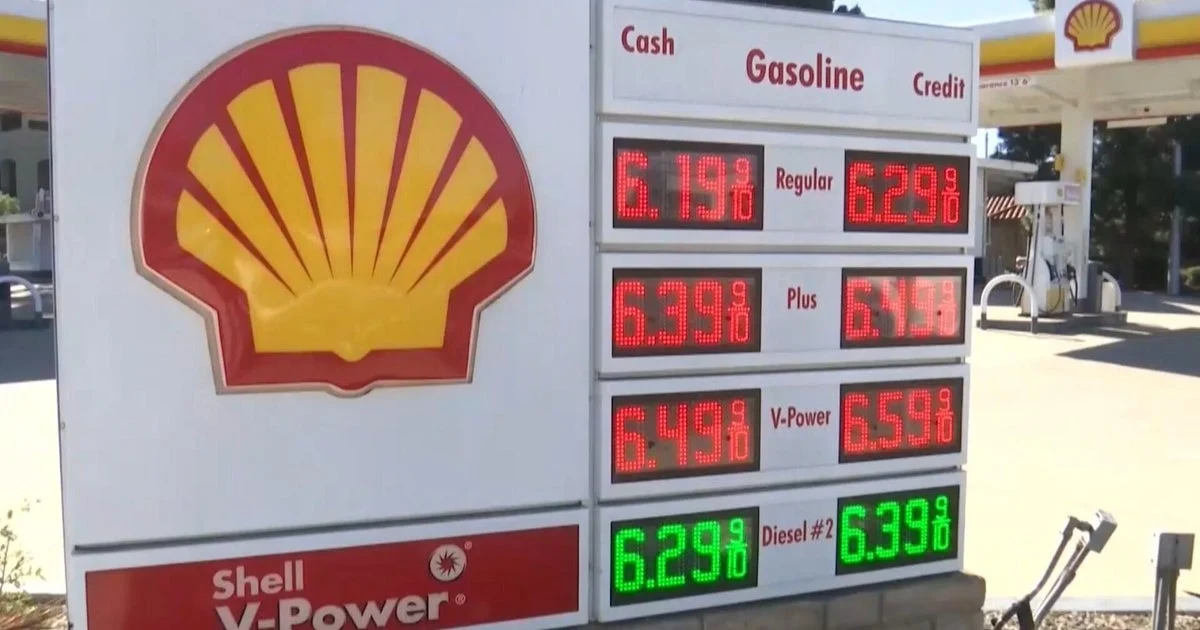
The U.S. Labor Department reported on Friday that inflation rose by 3.3% in March compared to the same month last year, marking the highest annual inflation rate since May 2024. This increase was primarily fueled by a significant 21% spike in gasoline prices from February to March.
The sharp rise in gas prices contributed substantially to overall consumer price inflation, reflecting ongoing volatility in energy markets. Analysts have linked these fluctuations to geopolitical tensions, including the conflict involving Iran, which has affected global oil supplies and costs.
Why it matters
The jump in inflation affects everyday household expenses, particularly in transportation and heating costs, making the cost of living more expensive for many Americans. Higher inflation rates can also influence Federal Reserve policy decisions regarding interest rates and monetary tightening.
Understanding the dynamics behind these inflationary pressures is crucial for policymakers aiming to balance economic growth with price stability.
Background
Inflation in the U.S. had been moderately controlled in the years following the early 2020s, with rates fluctuating below 3% for extended periods. Energy prices are a known volatile component that can significantly sway month-to-month inflation readings.
Geopolitical conflicts, such as tensions in the Middle East, often disrupt oil production and supply chains, leading to sudden price increases at the pump and beyond. These impacts tend to ripple through the economy, raising costs on a wide range of goods and services tied to energy inputs.
Read more Business stories on Goka World News.