
Two U.S. Navy destroyers have transited the Strait of Hormuz to initiate mine-clearing operations in the strategically critical waterway, the U.S. Central Command (CENTCOM) announced on April 11. The destroyers moved through the strait and began operations in the Arabian Gulf as part of efforts to keep the vital shipping lane open.
CENTCOM stated that additional U.S. forces, including underwater drones, will join the clearance mission in the coming days. The operation follows intelligence assessments that identified at least a dozen underwater mines placed in the strait, which accounts for about 20% of the world’s oil supply shipment.
The mines reportedly include Iranian-made devices such as the Maham 3, a moored naval mine activated by sensors, and the Maham 7, a seabed “sticking mine” that detonates when vessels approach. U.S. officials have assessed that Iran has employed drones and missiles to obstruct ship passage through the strait during the ongoing conflict.
On the same day, former President Donald Trump, speaking on Truth Social, highlighted the U.S. efforts to clear mines as a favor to countries worldwide and asserted that all of Iran’s mine-laying vessels had been destroyed. Meanwhile, Vice President JD Vance was in Islamabad for trilateral talks involving the U.S., Iran, and Pakistan—the first direct face-to-face U.S.-Iran contact since 1979.
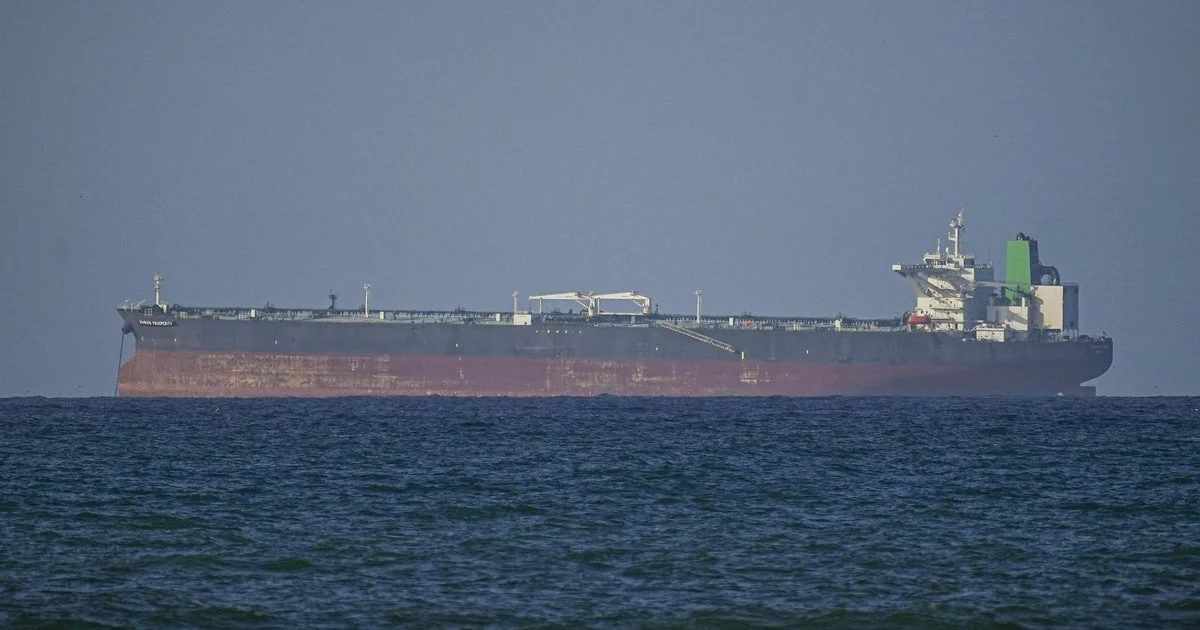
The transit of vessels through the Strait of Hormuz—essential for global energy supplies—was severely disrupted during the six-week conflict. Although a ceasefire established two weeks prior has allowed some marine traffic to resume, it remains significantly below normal levels. Analysts warn that oil supply disruptions may continue for months due to damage to regional energy infrastructure and the time needed for maritime operators to restore normal shipping activities.
Why it matters
The Strait of Hormuz is a crucial chokepoint through which roughly one-fifth of the world’s oil passes. Clearing mines is vital to ensuring the safe transit of commercial and oil-tanker traffic, stabilizing global energy markets, and reducing the risk of further escalation in a region critical to international trade and geopolitical security.
Background
Relations between the U.S. and Iran have been strained since the Islamic Revolution in 1979, with limited direct communication. The current ceasefire followed a six-week conflict marked by attacks on shipping and strategic use of naval mines and missile strikes. The recent talks in Islamabad represent a rare diplomatic engagement. This military operation underscores ongoing tensions and efforts to maintain maritime security in the Gulf region.
Read more US News stories on Goka World News.