
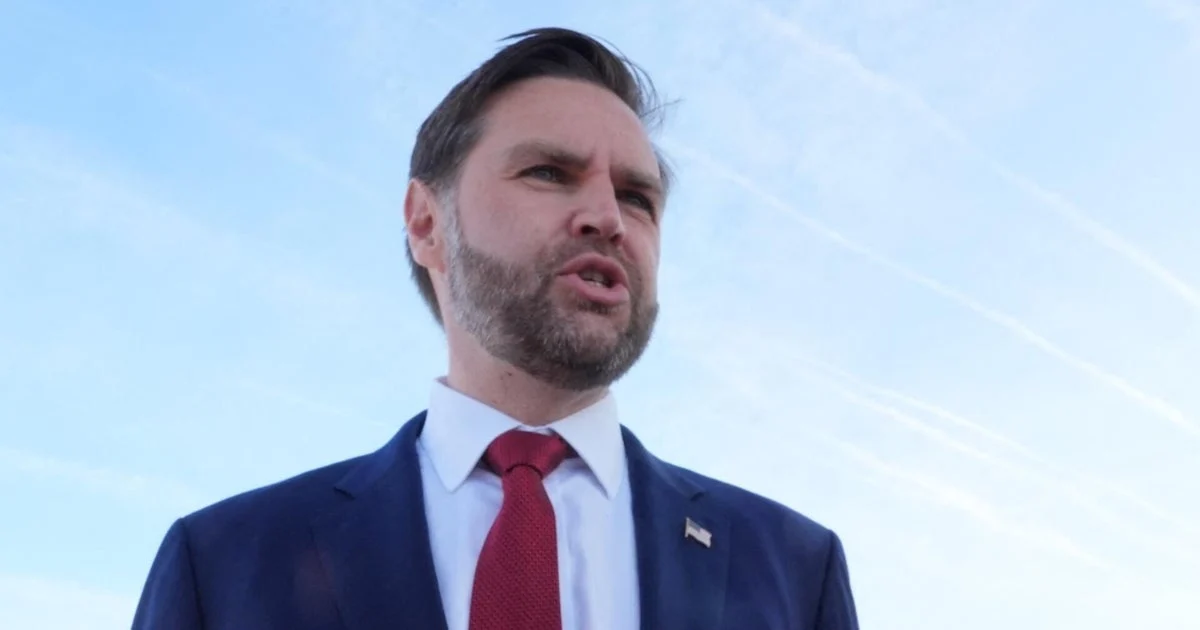
Vice President JD Vance is traveling to Pakistan to participate in peace talks aimed at addressing ongoing tensions involving Iran, as a delicate ceasefire remains in place. These diplomatic efforts come at a time when former President Donald Trump issued new public warnings and demands concerning Iran.
Vance’s Diplomatic Mission
The Vice President’s visit to Pakistan represents a direct attempt to facilitate dialogue concerning Iran’s role in the region. While specific details of the planned discussions have not been disclosed, the talks are intended to support stability and potentially build on the current fragile ceasefire condition.
Trump’s Recent Statements
Simultaneously, former President Donald Trump has publicly issued new threats against Iran, contributing to the ongoing complexity of U.S.-Iran relations. The nature of these threats and demands, though unspecified here, highlight the persistent tensions and differing approaches within U.S. leadership toward Iran.
Why it matters
Diplomatic engagement led by Vice President Vance occurs in a geopolitical context marked by conflict risks and fragile ceasefire agreements. The success or failure of these talks could influence regional stability and U.S. foreign policy, especially as competing voices and strategies emerge within the American political landscape.
Background
The U.S. and Iran have experienced prolonged tensions over issues including nuclear development, regional influence, and security threats. Recent escalations resulted in ceasefire agreements that remain tenuous. Pakistan’s role as a host for these negotiations reflects its strategic position and potential influence in fostering dialogue between conflicting parties.
Read more World News stories on Goka World News.