
The United States has deployed a naval blockade involving at least 13 warships to prevent tanker ships from entering and leaving Iranian ports. This operation aims to cut off Iran’s economic lifeline and increase diplomatic pressure for a peace deal.
The naval force is strategically positioned to intercept maritime traffic associated with Iran’s oil exports, a critical source of revenue for the Iranian government. By effectively choking off this revenue stream, the U.S. seeks to leverage economic restrictions as a means to bring Iran to the negotiating table.
This blockade marks one of the most direct U.S. military actions against Iran’s economic infrastructure in recent years. The deployment’s scale, involving multiple warships, underscores the seriousness of Washington’s intent to escalate pressure amid ongoing tensions in the region.
Why it matters
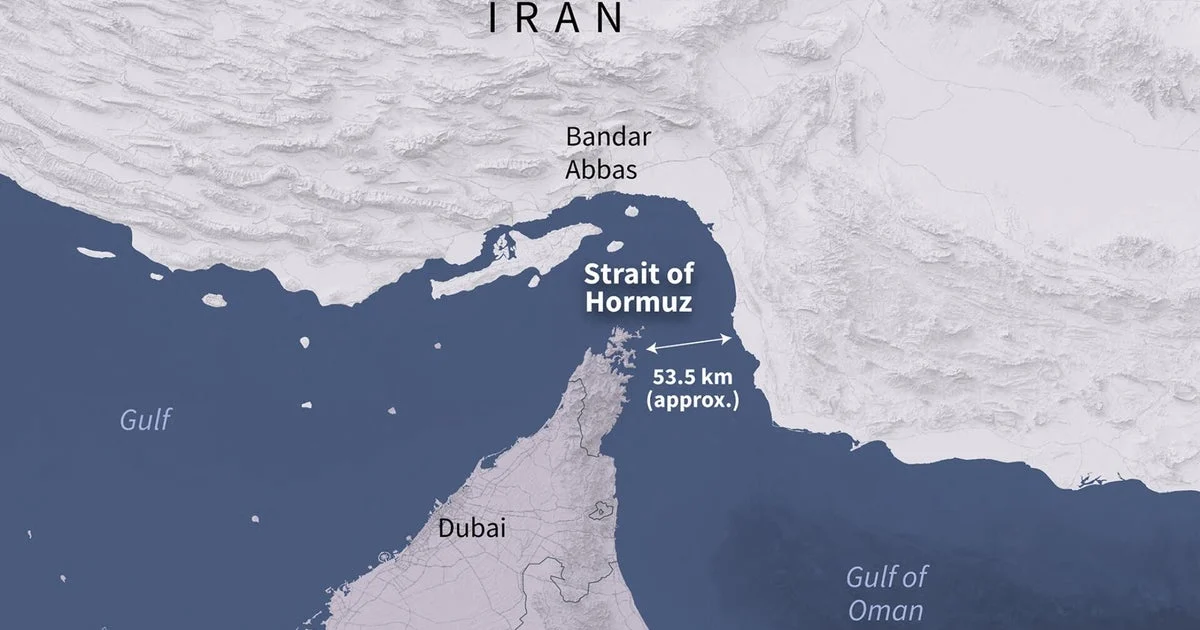
The blockade significantly threatens Iran’s economy by disrupting oil exports, which constitute a vital portion of national income. The move intensifies U.S.-Iran tensions and has implications for global oil markets, as the Strait of Hormuz, near Iranian ports, is a key transit route for international energy supplies.
Additionally, the presence of a large U.S. naval force in these waters raises the risk of maritime confrontations, potentially escalating into broader conflict if not managed carefully. It also signals a shift toward more aggressive economic and military measures as tools in U.S. foreign policy toward Iran.
Background
U.S.-Iran relations have been strained for decades, with conflicts centered on Iran’s nuclear program, regional activities, and support for proxy groups. Previous sanctions and diplomatic efforts have aimed to curb Iran’s nuclear ambitions and reduce its influence in the Middle East.
The naval blockade is part of these broader efforts to pressure Iran into compliance with international demands. It follows prior economic sanctions and military posturing intended to limit Iran’s regional power and prevent escalation into full-scale war.
Read more World News stories on Goka World News.