
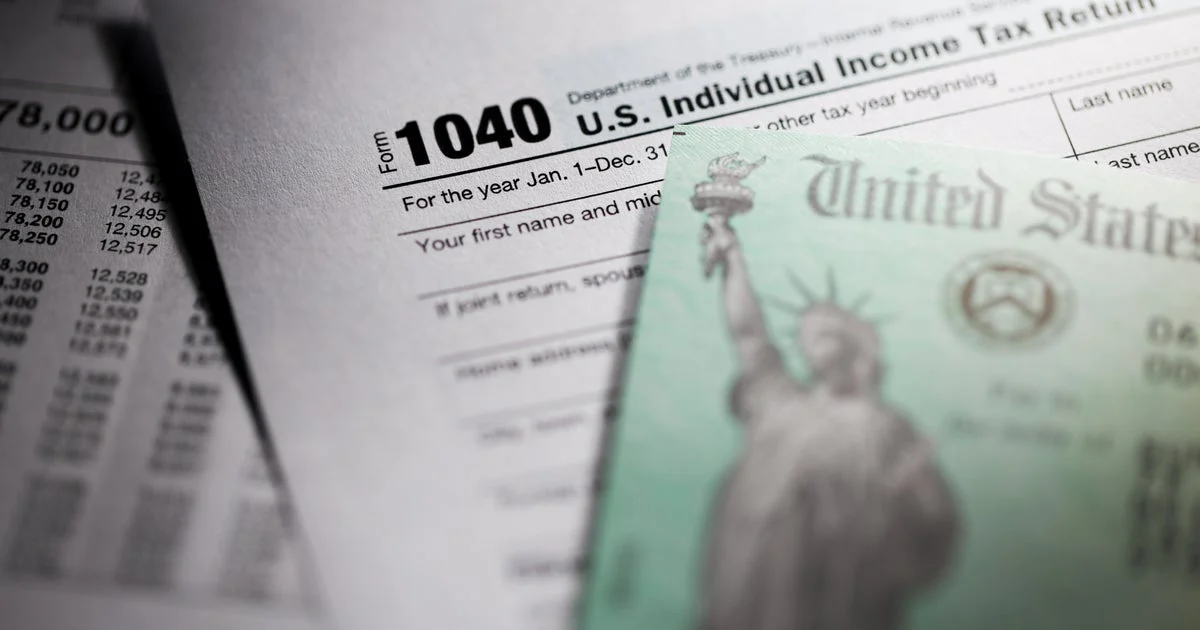
As the 2026 Tax Day arrives, the average federal tax refund for U.S. taxpayers stands at $3,462, marking an 11% increase—approximately $350 higher—than the average refund in 2025, according to data from the Internal Revenue Service (IRS).
This rise is largely attributed to provisions in the recent “One Big Beautiful Bill Act,” which introduced new tax deductions and relief measures for millions of filers. Andrew Lautz, director of tax policy at the Bipartisan Policy Center, a nonpartisan think tank, noted that many taxpayers are benefiting from deductions that reduce taxable income, including the elimination of federal income taxes on tips and overtime pay.
Taxpayer Impact and Refund Distribution
In 2025, about 104 million taxpayers—around 63% of all filers—received refunds. So far in 2026, nearly 70 million refunds have already been issued, with more expected after the official tax filing deadline. Lautz anticipates that the average refund size will hold steady throughout the remainder of the year.
Investment bank Piper Sandler projected earlier this year that refunds could increase by as much as $1,000 on average in 2026 if all taxpayers receive refunds. However, Don Schneider, deputy head of U.S. policy at Piper Sandler, cautioned that focusing solely on refund amounts overlooks the broader picture, since the $106 billion in retroactive tax relief from the One Big Beautiful Bill Act also reduces tax liabilities, not just refund checks.
How Taxpayers Are Using Refunds
A March survey by the Bipartisan Policy Center of 1,200 taxpayers found that approximately one-third of respondents reported receiving tipped income, overtime pay, or both, and 14% said their refund was significantly larger this year.
Regarding spending plans, a Bank of America Global Research survey shows that over one-third of Americans intend to use their IRS refunds to pay down debt, while about 13% plan to save the money. Some taxpayers may also allocate funds toward everyday costs such as gasoline, which has seen a national average price of $4.12 per gallon as of April 14, 2026. This increase is linked to global oil price rises driven by ongoing geopolitical tensions, including the war in Iran.
Why it matters
The increase in average tax refunds reflects significant tax policy shifts impacting American households’ finances. The elimination of federal income tax on tipped and overtime wages means many workers face lower tax burdens, improving their net income. These changes could influence consumer spending and debt reduction patterns amidst rising living costs, particularly energy prices.
Background
The “One Big Beautiful Bill Act,” enacted in 2025, introduced broad tax relief measures designed to support workers and stimulate the economy. By broadening deductions and reducing taxable income, the law has resulted in greater aggregate refunds and lower tax liabilities. This legislation is part of continuing efforts to address economic stresses experienced by many American households.
Read more Business stories on Goka World News.