
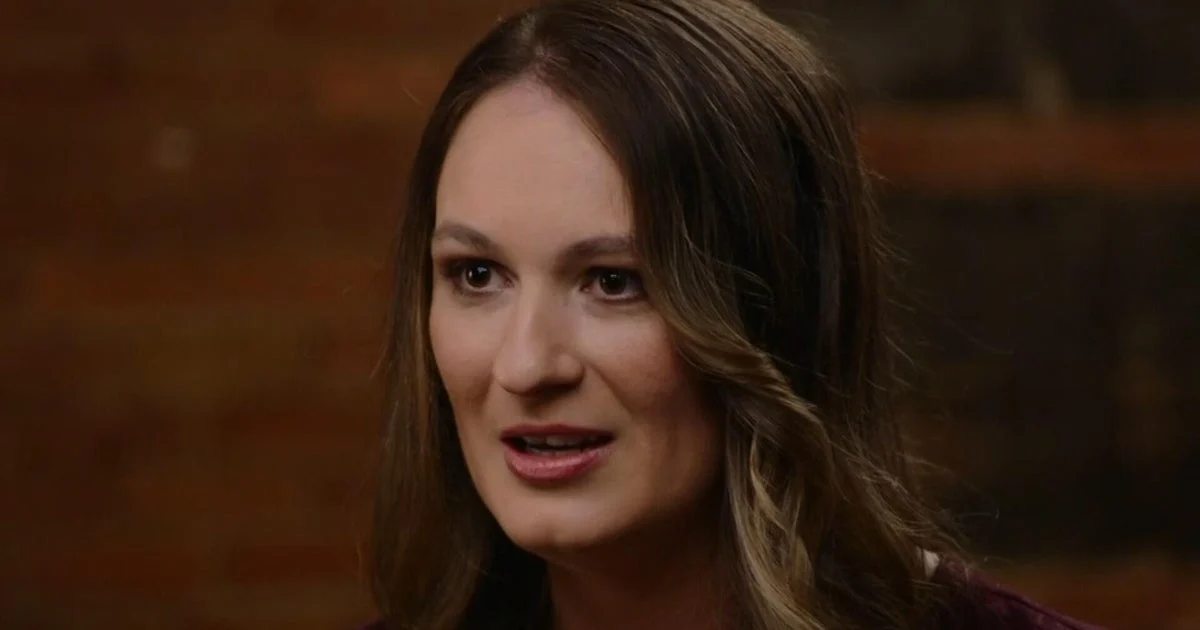
A woman accusing California Congressman Eric Swalwell of sexual misconduct has said she is “terrified to speak out,” according to a CBS News report. This development follows allegations against Swalwell that have surfaced as lawmakers grapple with increasing scrutiny over personal conduct.
Swalwell, a Democrat, has denied the misconduct allegations but acknowledged having made “mistakes in judgment.” These comments come at a time when two members of Congress have recently resigned due to separate sexual misconduct accusations. Notably, Texas Republican Tony Gonzales resigned after admitting to a relationship with a former aide.
The fear expressed by Swalwell’s accuser highlights the challenges victims often face when coming forward with claims against prominent public officials. The accuser’s reluctance to speak candidly underscores concerns around pressure, intimidation, or reputational risks associated with public accusations in the political realm.
Why it matters
These allegations place renewed focus on ethics and accountability within the U.S. Congress, emphasizing the necessity for transparent investigations into misconduct claims. The reluctance of accusers to speak openly can impede justice and public trust, making protections for victims and impartial inquiry crucial. Swalwell’s case coincides with a broader examination of personal conduct among elected officials amid a national reckoning on harassment and workplace behavior.
Background
Eric Swalwell represents California in the U.S. House of Representatives and has previously been involved in political controversies, but this is a distinct and recent challenge to his career. The resignation of Tony Gonzales related to admitting an inappropriate relationship follows a trend of congressional members facing consequences for personal misconduct. These developments are part of a wider movement motivated by increased awareness of sexual harassment and misconduct issues across various sectors in recent years.
Read more Politics stories on Goka World News.