
Former President Donald Trump stated on April 15, 2026, that the war with Iran is “very close to over,” raising hopes for a potential deal to end the conflict currently paused by a two-week ceasefire. His comments came as Pakistan’s leader signaled the possibility of new direct peace talks between the U.S. and Iran.
Trump made the remarks during an interview with Fox News, emphasizing that a resolution could be imminent. The announcement is notable amid ongoing disputes over the U.S. blockade of Iranian ports, which Tehran vehemently opposes and threatens to counter by disrupting vital regional shipping lanes.
Military tensions persist in the Strait of Hormuz
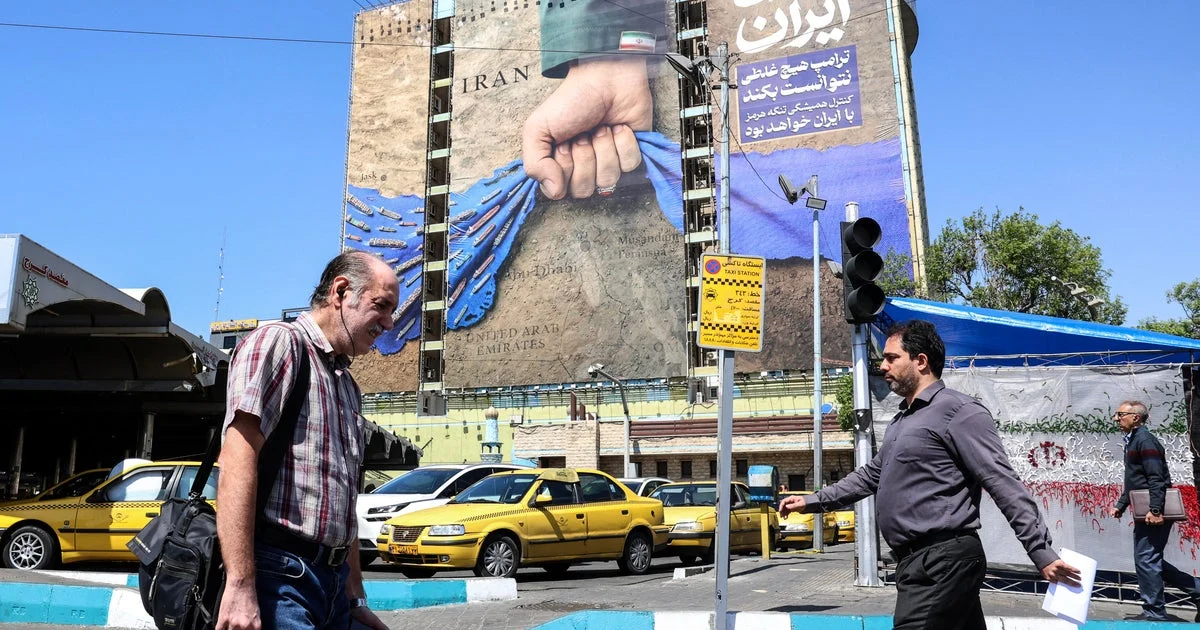
The strategic Strait of Hormuz remains a focal point of tension. Mojtaba Khamenei, a military adviser to Iran’s supreme leader and former commander of the Revolutionary Guards, warned that any U.S. attempt to “police” the strait would result in Iranian missiles targeting American ships.
Khamenei’s remarks, aired on Iranian state television, explicitly threatened to sink U.S. vessels if restrictions continue, underscoring the volatility of this key maritime corridor where a significant portion of the world’s oil shipments transit. He also expressed personal opposition to extending the current ceasefire but did not elaborate on future military plans.
Regional diplomacy and international reactions
Alongside Trump’s optimism, Pakistan has emerged as a diplomatic player, advocating for fresh peace talks to resolve the six-month-long conflict that has strained global relationships. Meanwhile, NATO allies have shown unease with the U.S.-led military actions, deepening divisions within the alliance. Trump has publicly criticized both NATO and Pope Leo, whose calls for peace contrast with U.S. military policy.
Iran’s first vice president, Mohammad Reza Aref, expressed gratitude to Pope Leo for condemning the war and urged the global community to pursue collective action to halt the hostilities and support lasting peace.
Economic impacts and market response
Despite the ongoing conflict, U.S. financial markets have responded positively. The S&P 500 and Nasdaq Composite reached record highs on April 15, fueled partly by Trump’s comments about the war’s imminent end and easing oil prices below $100 a barrel. Investors appear to be anticipating a combination of peace prospects and strong corporate earnings amid continued uncertainty.
Why it matters
The potential resolution of the Iran war carries significant geopolitical and economic implications. A peaceful settlement could stabilize global oil markets, reduce regional military confrontations, and ease strained relations between the U.S. and its allies. Conversely, Iran’s threats to contest the U.S. naval blockade risk escalating violence in a crucial shipping corridor, which could disrupt international trade and energy supplies.
The evolving diplomatic dialogue—highlighted by Pakistan’s mediation efforts and Trump’s renewed openness to negotiations—signals a possible shift away from open conflict. However, sharp disagreements among international stakeholders and Iran’s unwavering military warnings suggest that uncertainty remains high.
Read more Politics stories on Goka World News.