
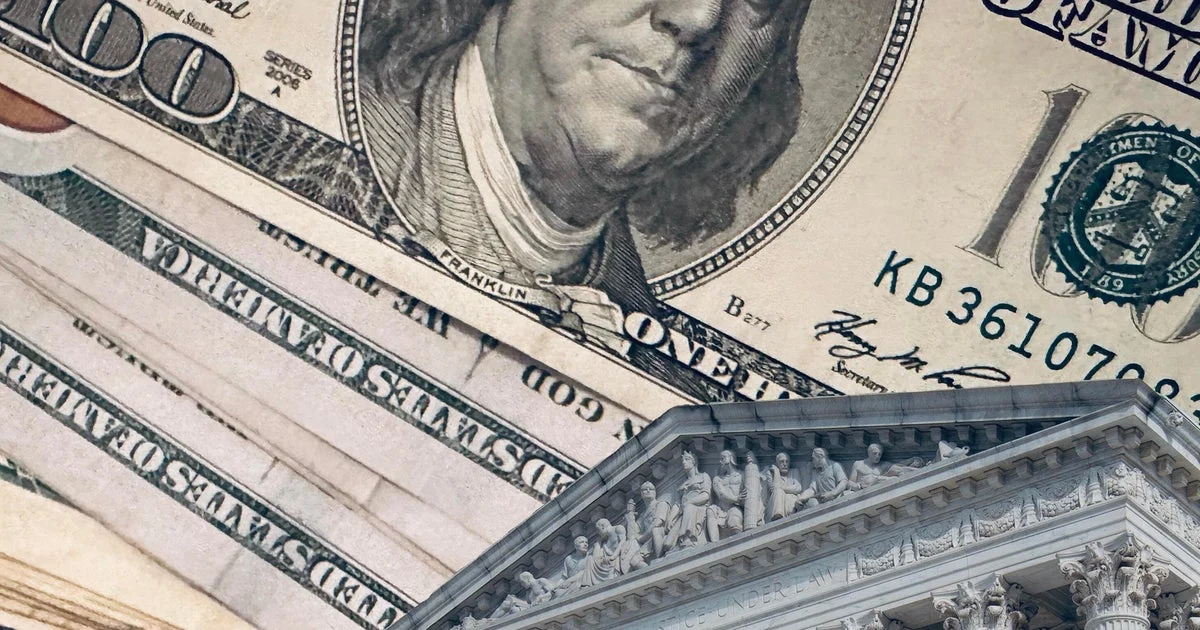
The U.S. government will launch an online system on April 20 that enables businesses to request refunds for tariffs previously imposed under the Trump administration but ruled illegal by the Supreme Court. The portal, called CAPE (Consolidated Administration and Processing of Entries), is designed to streamline the refund process for importers seeking reimbursement for tariffs levied under the International Emergency Economic Powers Act (IEEPA).
The Supreme Court’s February ruling found that President Trump had exceeded his authority by imposing tariffs using IEEPA, potentially entitling U.S. businesses to up to $175 billion in refunds. Since the decision, thousands of lawsuits have been filed with the Court of International Trade seeking tariff repayments.
How the refund portal works
The CAPE portal will allow two categories of parties to file claims: businesses that directly paid the IEEPA tariffs and customs brokers who paid these duties on behalf of importers. Only the importer of record—the party officially responsible for paying the tariff—is eligible to recover money. Consumers affected by higher prices due to tariffs cannot apply for refunds through this portal.
However, refunds are not automatic. Each eligible party must opt in and submit a claim for review. The U.S. Customs and Border Protection (CBP), which operates the portal, will review claims and approve them before payment is made. Valid claims are expected to be paid within 60 to 90 days of approval, though errors or inaccuracies in paperwork may delay disbursement.
Limitations on claims and eligibility
The portal will initially accept refund requests only for “unliquidated tariffs”—duties that have not yet been finalized—and tariffs finalized within the past 80 days. This covers about 63% of all IEEPA tariff charges, leaving approximately 37% of entries, which have already been fully processed or are under dispute, excluded from immediate refund through CAPE.
Trade experts caution that importers face practical challenges with the process. Many tariff claims may contain errors such as incorrect classification codes, which could complicate and prolong refund approvals. Customs brokers and businesses will bear the administrative burden of ensuring claims are accurate to avoid delays.
Alternatives and industry reactions
Some companies may choose to sell their tariff refund claims to financial firms or hedge funds that provide upfront payments in exchange for handling the refund application process. This option can offer immediate cash relief, albeit usually at a discounted amount, and may appeal to firms unwilling to wait months for reimbursement.
Rick Woldenberg, CEO of the educational toy company Learning Resources and plaintiff in the 2025 lawsuit that led to the Supreme Court ruling, stated his intention to be among the first to file a claim. However, he criticized the government for not issuing automatic refunds, drawing a contrast to tax overpayments, which are reimbursed without requiring taxpayers to request them.
Why it matters
This new refund portal represents a significant step toward resolving the financial impact on U.S. businesses affected by disputed Trump-era tariffs. Businesses that import goods subject to these tariffs can now reclaim some or all of the duties paid, reducing ongoing costs and legal uncertainty. However, the process places responsibility on importers to actively pursue refunds, potentially leaving smaller businesses with limited resources at a disadvantage.
The CBP’s ability to efficiently manage and process claims through CAPE will be closely watched by the trade community, given concerns about potential delays and administrative hurdles. The portal’s launch signals the beginning of a complex refund phase that may affect the broader trade and import sectors for months or years to come.
Read more US News stories on Goka World News.