
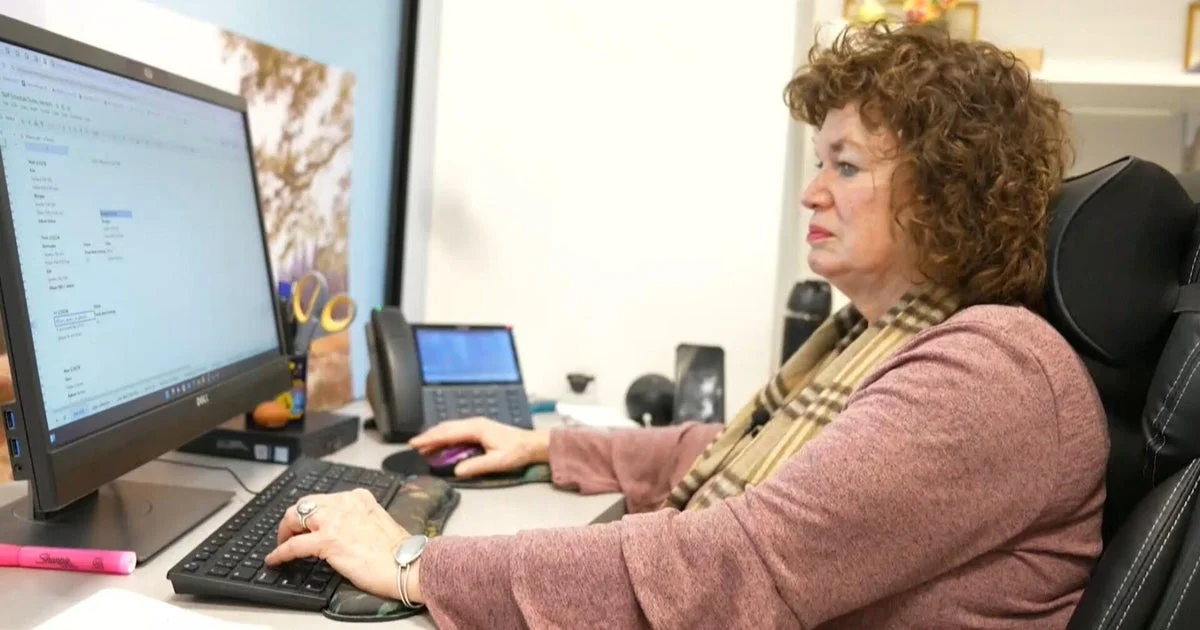
Nearly 20 percent of adults aged 65 and older in the United States are currently employed or actively looking for work, marking the highest level in decades. This trend reflects a growing number of older Americans delaying retirement, often out of financial necessity.
Rising costs are a major factor contributing to the decision to remain in or reenter the workforce. Many seniors report that increasing expenses related to healthcare, housing, and daily living are motivating them to continue employment beyond traditional retirement age.
Economic insecurity is a significant concern as inflation and economic shifts impact retirement savings and fixed incomes. The inability to fully retire affects quality of life and planning for older adults. Although working later in life can provide additional income, it also raises questions about job availability, working conditions, and long-term financial stability for seniors.
This development comes amid broader demographic and economic changes, including an aging population and fluctuating markets, which are reshaping the retirement landscape in the U.S.
Why it matters
The increase in older Americans working past retirement age highlights important economic and social issues, including the adequacy of retirement savings and social safety nets. With rising costs putting strain on seniors, policymakers and financial planners face challenges in addressing retirement security and supporting an aging workforce.
Background
Historically, the share of Americans working beyond 65 was lower, as many retired shortly after reaching traditional retirement age. However, longer life expectancy and changes in pension availability have shifted this norm. The recent surge reflects not just a preference for continued work but often a financial imperative amplified by inflation and healthcare costs. Efforts to improve retirement preparedness and cost-of-living adjustments are ongoing in response to this trend.
Read more Business stories on Goka World News.