
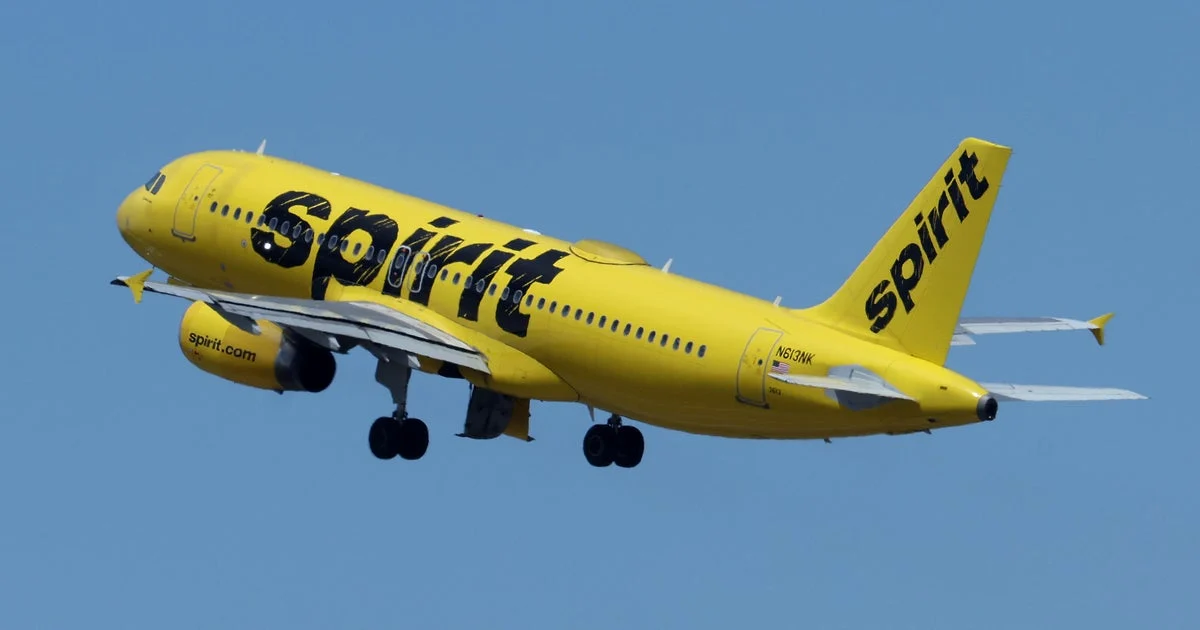
The Trump administration is exploring the use of the Defense Production Act (DPA) to assist Spirit Airlines, which has been struggling financially and recently faced creditor doubts about its viability. U.S. officials familiar with the discussions said President Trump supports federal intervention to save jobs at the airline.
Spirit Airlines has filed for bankruptcy twice in the last two years following the Department of Justice’s block of its merger with JetBlue under the Biden administration. The ongoing war with Iran has caused jet fuel prices to soar, adding further pressure to Spirit’s operations. Earlier this month, creditors expressed serious concerns about the airline’s ability to continue operating.
Potential Federal Support Structure
The Defense Production Act, traditionally a tool to prioritize private sector production for national defense needs, also grants loan authority to government agencies. Under current considerations, the federal government could lend Spirit Airlines approximately $500 million at a reasonable interest rate. This loan would place the government as the primary creditor in bankruptcy proceedings, secured by Spirit’s assets. It would also give the government a warrant to own up to 90% of the airline once it emerges from bankruptcy.
The Office of Management and Budget has reviewed proposals involving multiple agencies, including the Commerce Department and the Pentagon. The Pentagon could utilize Spirit’s surplus capacity for military transport or cargo missions during this period of national security concern.
Government Stake and Future of Spirit Airlines
Following the bailout, officials anticipate Spirit will be sold to another airline. The government ownership of airport slots, particularly those at Newark Airport, which is a major United Airlines hub, would be preserved to maintain Spirit’s attractiveness to future buyers. This approach counters earlier liquidation plans that involved selling these valuable slots.
Commerce Secretary Howard Lutnick and the White House have advocated for the federal intervention, arguing that without government involvement, Spirit Airlines would likely be liquidated, resulting in lost jobs. In contrast, Transportation Secretary Sean Duffy has opposed the move, citing political concerns and the inevitability of financial failure.
Current Context and Leadership Views
Spirit Airlines owns 48 aircraft outright but leases an additional 83 planes. President Trump has publicly expressed support for saving the airline, noting the value of Spirit’s aircraft and airline slots. He remarked, “They have some good aircraft, some good assets,” and emphasized the significance of slots as valuable assets.
Spirit and United Airlines executives recently presented a liquidation plan to the White House that included selling Spirit’s slots at Newark. Trump administration officials rejected this, aiming to retain these assets under federal ownership for strategic reasons.
Why it matters
The potential use of the Defense Production Act to support Spirit Airlines represents an unusual application of emergency powers designed for national defense. Given the impact of elevated fuel prices driven by the conflict in Iran, the federal government’s involvement seeks to sustain a domestic airline during an international crisis. This strategy underscores the government’s interest in protecting jobs and maintaining critical transportation infrastructure amid rising economic and geopolitical tensions.
Read more US News stories on Goka World News.