
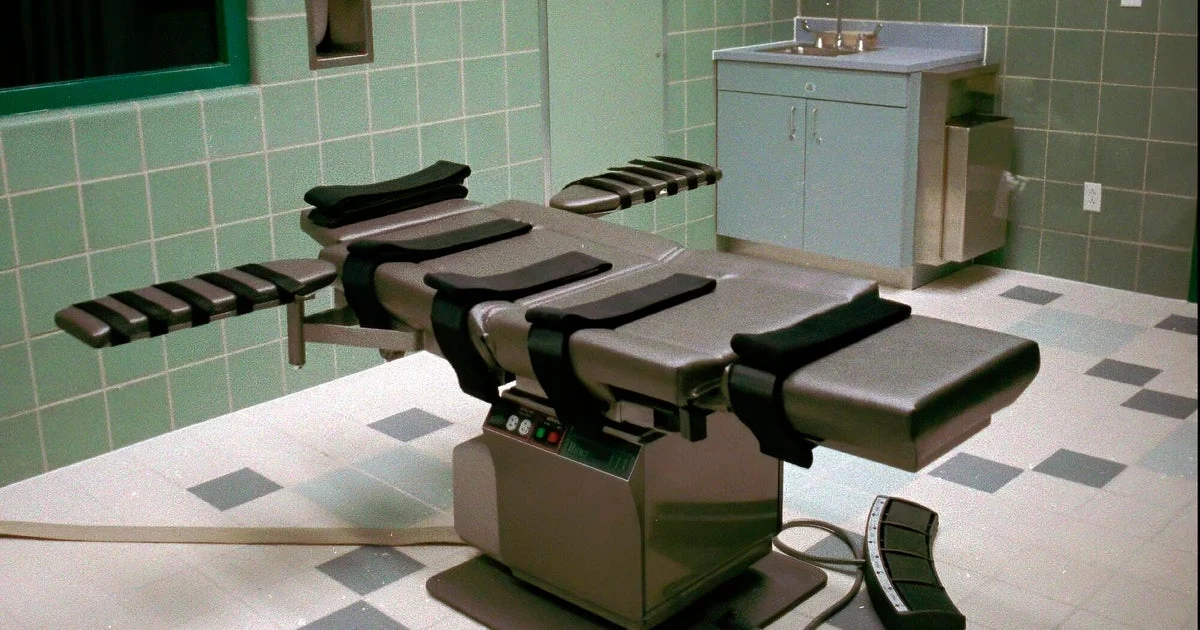
The U.S. Justice Department announced on April 24, 2026, that it is reinstating lethal injection protocols used during the previous Trump administration and expanding federal execution methods to include firing squads. These changes come as part of broader efforts to enforce and expedite the federal death penalty.
According to a DOJ press release, the department is also streamlining internal processes to accelerate death penalty cases. The announcement emphasized that these actions are intended to deter serious crimes, deliver justice to victims, and provide closure to families affected by heinous offenses.
During his first term, former President Donald Trump restarted federal executions after a nearly 20-year hiatus and issued an executive order mandating pursuit of the death penalty for crimes deemed extremely severe. This included capital offenses involving law enforcement officers and crimes committed by illegal immigrants.
President Joe Biden halted federal executions with a moratorium after taking office and ordered a review of the government’s policies and procedures regarding capital punishment. Near the end of his term, Biden commuted the sentences of 37 of the 40 federal inmates facing the death penalty to life imprisonment without parole. Notably, clemency was not granted to high-profile defendants convicted in the Tree of Life Synagogue shooting, the 2015 Mother Emanuel Church shooting, and the 2013 Boston Marathon bombing.
In February 2025, then-Attorney General Pam Bondi lifted the moratorium and instructed prosecutors to seek the death penalty in appropriate cases, including the trial of Luigi Mangione, accused of killing the CEO of UnitedHealthcare in 2024. Despite some legal setbacks, such as the dismissal of firearms charges that affected Mangione’s death penalty eligibility, the DOJ continued pursuing capital cases.
Following Bondi’s departure, Acting Attorney General Todd Blanche authorized federal prosecutors to seek the death penalty against alleged MS-13 gang members involved in a murder. Blanche criticized the previous administration for what he called failures to protect the public by not pursuing executions for the most dangerous criminals, including terrorists and child murderers.
The DOJ also released a report condemning the Biden Justice Department for policies that it said weakened and delayed death penalty enforcement. The report stated that the use of pentobarbital, the drug used in lethal injections, does not violate the Eighth Amendment’s protections against cruel and unusual punishment.
Why it matters
This reinstatement signals a strong federal commitment to capital punishment after prior halts and administrative reviews. Expanding execution methods to include firing squads reflects ongoing challenges in sourcing lethal injection drugs and indicates a shift toward more diverse options for enforcing death sentences. These policy changes will influence how federal prosecutors approach capital cases and may affect ongoing legal debates about the death penalty’s application and constitutionality.
Background
The federal government had suspended executions for nearly two decades until the Trump administration resumed them in 2019. Biden’s moratorium and sentence commutations marked a significant reversal of that policy. The current DOJ’s reinstatement of execution protocols aligns with a broader federal push to expedite capital punishment for cases deemed particularly severe.
Read more US News stories on Goka World News.