
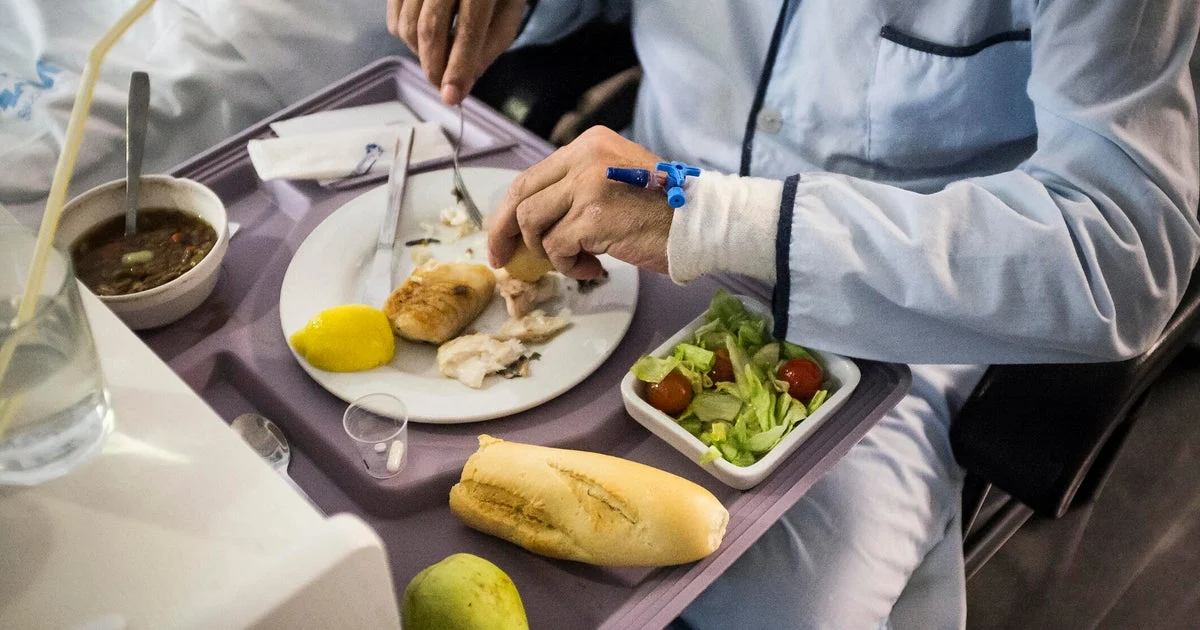
The Department of Health and Human Services (HHS), led by Secretary Robert F. Kennedy Jr., has issued a directive urging hospitals and nursing homes to align patients’ meals with the latest 2025-2030 dietary guidelines issued by the Department of Agriculture. Facilities that serve sugary drinks or meals inconsistent with these guidelines risk losing federal Medicaid and Medicare funding, officials have warned.
This initiative, announced publicly at a March 30 event, marks a significant push to improve the nutritional quality of food served in healthcare settings. Kennedy described the directive as “essentially a federal mandate” to bring hospital food in line with recommended health standards.
HHS Guidance and Enforcement Ambiguities
Despite these strong statements, HHS spokesperson Andrew Nixon clarified that the guidance does not introduce new mandates, alter existing Medicare Conditions of Participation, or create new penalties for noncompliance. Nixon emphasized that the policy builds on “long-standing expectations” for healthcare providers to meet patients’ nutritional needs as part of high-quality care.
The threat of withholding millions in federal funding is one of the most severe regulatory tools but is rarely applied. Some advisers within Kennedy’s team encouraged the public to report hospitals serving sugary beverages or certain nutrition supplements, actions that raised concerns among medical experts over the appropriateness and legality of such enforcement without formal rulemaking.
Legal analysts note that while HHS has not formally incorporated the 2025-2030 dietary guidelines into enforceable hospital standards, hospitals may comply to avoid potential conflicts with the federal government. However, the current hospital regulations mandate only that “individual patient nutritional needs must be met in accordance with recognized dietary practices,” without explicitly binding facilities to USDA guidelines.
Reactions from Medical and Nutrition Experts
The initiative has drawn mixed reactions. Some nutritionists, like public health advocate Marion Nestle, praised the focus on improving hospital food quality. The guidance encourages servings such as grilled salmon, quinoa, and water or unsweetened beverages while discouraging sugar-sweetened drinks.
Conversely, doctors and dietitians argue the one-size-fits-all approach overlooks the diverse nutritional needs of hospitalized patients. For example, patients recovering from strokes or with swallowing difficulties may require modified diets that do not align with standard federal guidelines. Clinical experts emphasize the importance of flexibility to provide appropriate nutrition, including the use of supplemental shakes like Ensure for malnourished patients.
Some healthcare professionals criticized the public reporting campaign, labeling it unnecessarily punitive and potentially disruptive to patient care decisions made by medical teams.
Why it matters
Medicare and Medicaid are the largest sources of hospital funding in the United States. The threat to withhold payments over dietary practices highlights an unprecedented federal effort to address public health via institutional food standards. This policy raises questions about federal regulatory authority, patient autonomy, and how nutrition guidelines will be enforced in complex clinical environments.
Hospitals face a delicate balance between complying with federal guidelines to secure funding and tailoring nutrition plans to individualized patient needs. The unfolding response from healthcare providers and legal experts will shape future standards of care and regulatory oversight in hospital nutrition.
Read more Health & Public Health stories on Goka World News.
Sources
This article is based on reporting and publicly available information from the following source: