
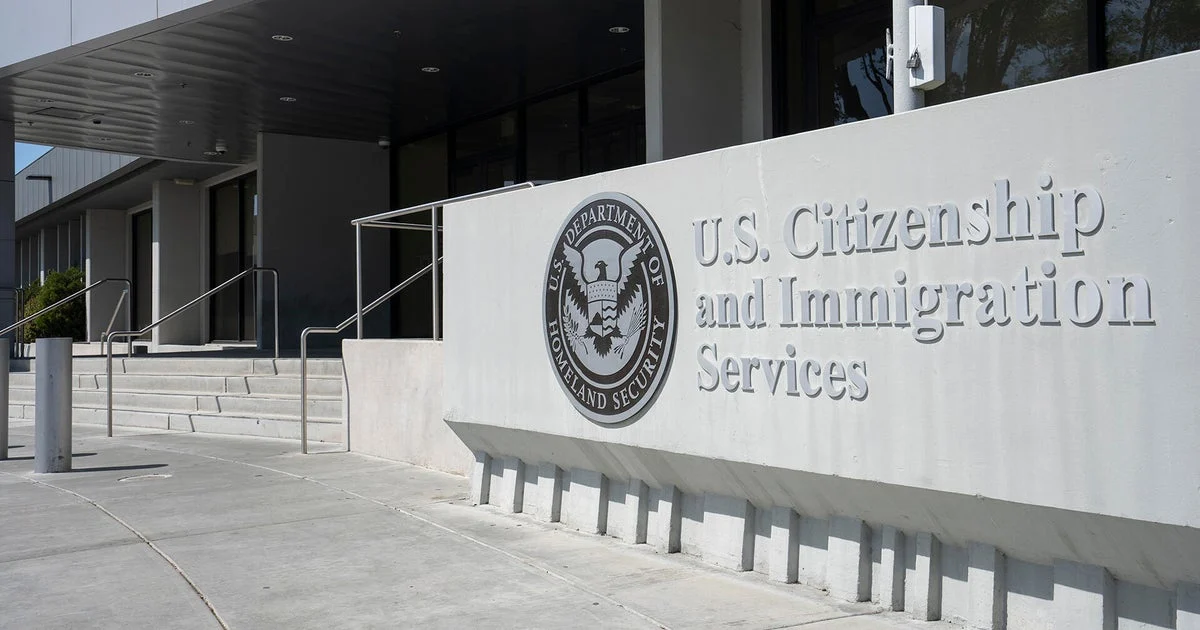
The Trump administration has implemented expanded security checks for a wide range of immigration applicants, requiring enhanced FBI background screenings before cases can be approved, according to internal U.S. Citizenship and Immigration Services (USCIS) guidance obtained by CBS News.
Last week, USCIS instructed its officers to resubmit pending immigration applications—including asylum requests, green card applications, and naturalization petitions—for more thorough FBI criminal background checks. The agency paused approvals on cases that had not yet undergone the newly mandated expanded screenings.
Expanded FBI Access Triggers Policy Change
The escalation in background checks follows a February executive order from President Trump directing the Justice Department—and its FBI arm—to grant USCIS greater access to criminal history databases. The order aims to identify foreign nationals with criminal histories who may be violating immigration or other federal laws.
USCIS has traditionally used FBI records to vet applicants, but the new guidance applies enhanced checks specifically to cases involving fingerprint submissions. This includes green card and citizenship applications, as well as sponsorship petitions for relatives or fiancées of U.S. citizens or lawful permanent residents.
Officers were told to resubmit fingerprint-based FBI checks for applications whose background data was received before April 27. Notably, resubmissions are not required if the application is set for denial.
USCIS Response and Impact on Immigration Processing
USCIS spokesperson Zach Kahler confirmed the changes, stating the agency has “implemented new security checks to strengthen the vetting and screening of applicants through expanded access to federal criminal databases.” Kahler acknowledged these measures are causing some delays but described them as temporary, emphasizing the agency’s priority on safeguarding the American public.
This policy reflects the Trump administration’s broader approach toward tightening immigration controls. Since returning to office, the administration has introduced multiple measures to increase scrutiny of immigration applications, including social media evaluations and travel bans restricting nationals from certain countries.
Asylum processing has also faced freezes, particularly for applicants from 39 countries under the administration’s travel restrictions, although some limitations were modestly eased last month. The enhanced background checks are the latest step in these ongoing efforts to reinforce the immigration vetting process.
Why it matters
The expanded security checks are likely to prolong processing times for many immigration applicants and could lead to more case denials or delays. By granting USCIS broader access to federal criminal databases, the administration is increasing its ability to identify potential security risks within immigration flows. This development fits into a larger context of intensified immigration enforcement policies that have been shaping U.S. immigration law and procedure over recent years.
Read more Politics stories on Goka World News.
Sources
This article is based on reporting and publicly available information from the following source: