
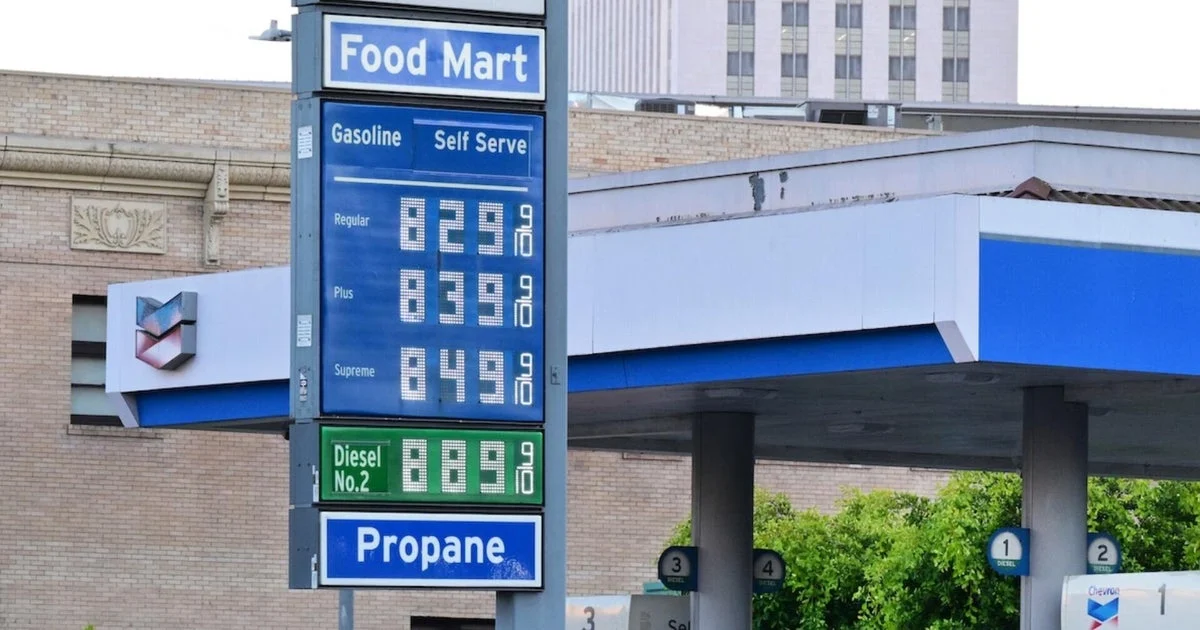
Gas and oil prices have not decreased amid ongoing disruptions in the Strait of Hormuz, a critical global energy passage. Despite U.S. President Donald Trump’s assurances that prices will fall after the conflict with Iran ends, current levels mirror those seen at the onset of the war in Ukraine during the Biden administration.
The Strait of Hormuz, a key chokepoint for global oil shipments, has remained largely inactive due to escalating tensions between the United States and Iran. This stoppage has sustained upward pressure on energy prices worldwide.
Energy markets have reacted to the geopolitical instability by maintaining price levels comparable to those in early 2022, reflecting concerns over supply constraints. The disruption affects both the cost and availability of gasoline and other petroleum products.
Why it matters
The Strait of Hormuz is a vital artery for approximately 20% of the world’s oil trade. Prolonged obstruction in this passage threatens global energy security, exacerbating inflationary pressures on fuel and energy costs. Until the conflict between the U.S. and Iran de-escalates, consumers should not expect significant relief in petrol and gas prices.
Background
The Strait of Hormuz connects the Persian Gulf with the Gulf of Oman and the Arabian Sea, serving as the transit route for a significant portion of the world’s oil exports. Political conflicts in this region have historically led to volatility in global energy markets.
Following the outbreak of the war in Ukraine, global oil prices surged due to supply concerns. The heightened tensions involving Iran have compounded this effect, maintaining price levels that challenge economic recovery efforts worldwide.
Sources
This article is based on reporting and publicly available information from the following source:
Read more World News stories on Goka World News.