
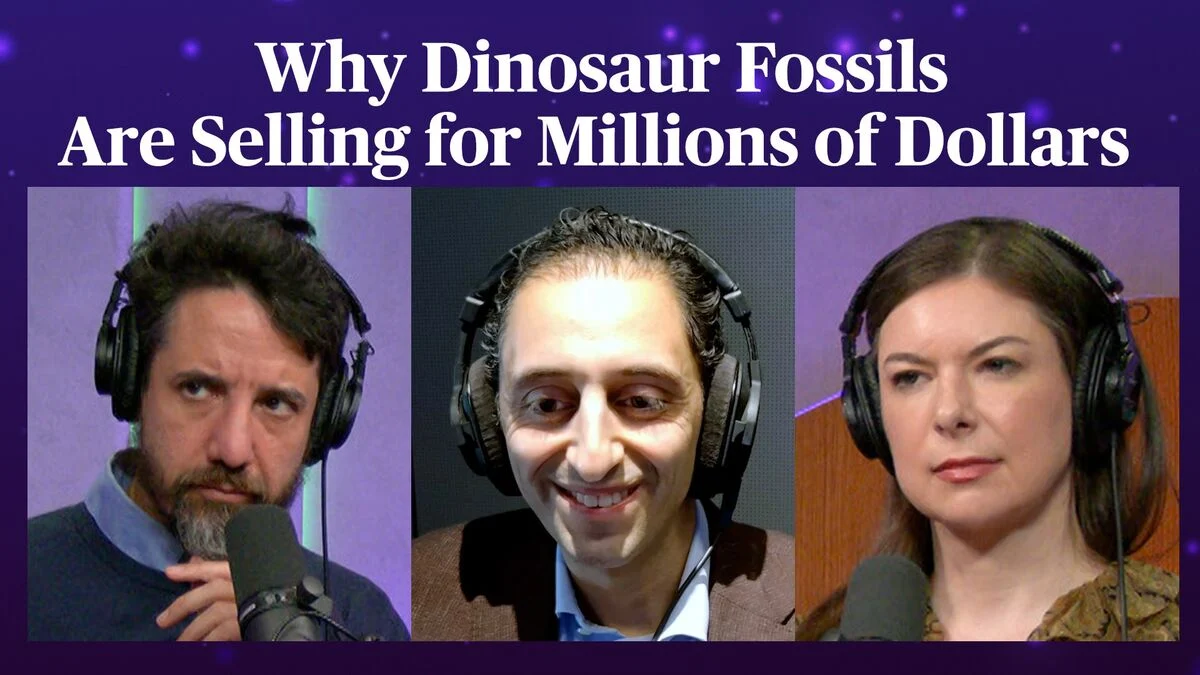
In a landmark auction two years ago, Citadel founder Ken Griffin purchased a stegosaurus skeleton for nearly $45 million, setting a record for the highest price ever paid for a fossil. This sale underscores the rapid expansion of the private market for dinosaur fossils, where wealthy individuals increasingly compete to acquire rare specimens.
Unlike traditional fossil acquisitions by museums and academic institutions, private collectors seek dinosaur bones as valuable assets, blending scientific rarity with investment appeal. The market operates similarly to art and antiquities trading, involving galleries and brokers who specialize in identifying, acquiring, and reselling fossils.
David Aaron, a London-based gallery known for dealing in dinosaur fossils, employs Salomon Aaron as their in-house broker. Aaron works closely with fossil hunters to locate significant finds and then helps connect these discoveries with potential buyers around the world. His insight reveals the niche nature of this market and the complexities involved in pricing and authenticating fossils.
Fossils enter the market through various channels, often involving private excavations and legal permissions depending on jurisdiction. Prices are influenced by factors such as the size, completeness, species rarity, and provenance of the specimen. High-profile sales like Griffin’s illustrate the premium placed on certain fossils within this collector-driven marketplace.
Why it matters
The shift of valuable dinosaur fossils into private collections raises questions about scientific access and preservation. When rare specimens are sold to private buyers, museums and researchers may lose opportunities to study and publicly display them. The booming fossil market also reflects broader trends in collecting where natural history objects are increasingly treated as investment commodities.
Background
The trade of fossils has expanded over recent decades alongside heightened interest from wealthy collectors seeking unique and tangible assets. Galleries like David Aaron act as intermediaries, bridging the gap between fossil hunters and buyers while managing the provenance and authenticity critical to the market. While auction records continue to climb, the ethical and legal implications of fossil sales remain subjects of debate within paleontology and heritage communities.
Sources
This article is based on reporting and publicly available information from the following source:
Read more Science Discoveries stories on Goka World News.