
Generative AI tools have simplified coding, allowing individuals without specialized training to develop software through basic prompts. This shift, known as “vibe coding,” has empowered diverse users—from warehouse owners improving logistics software to creative designers building apps without prior coding experience—to create functional programs rapidly.
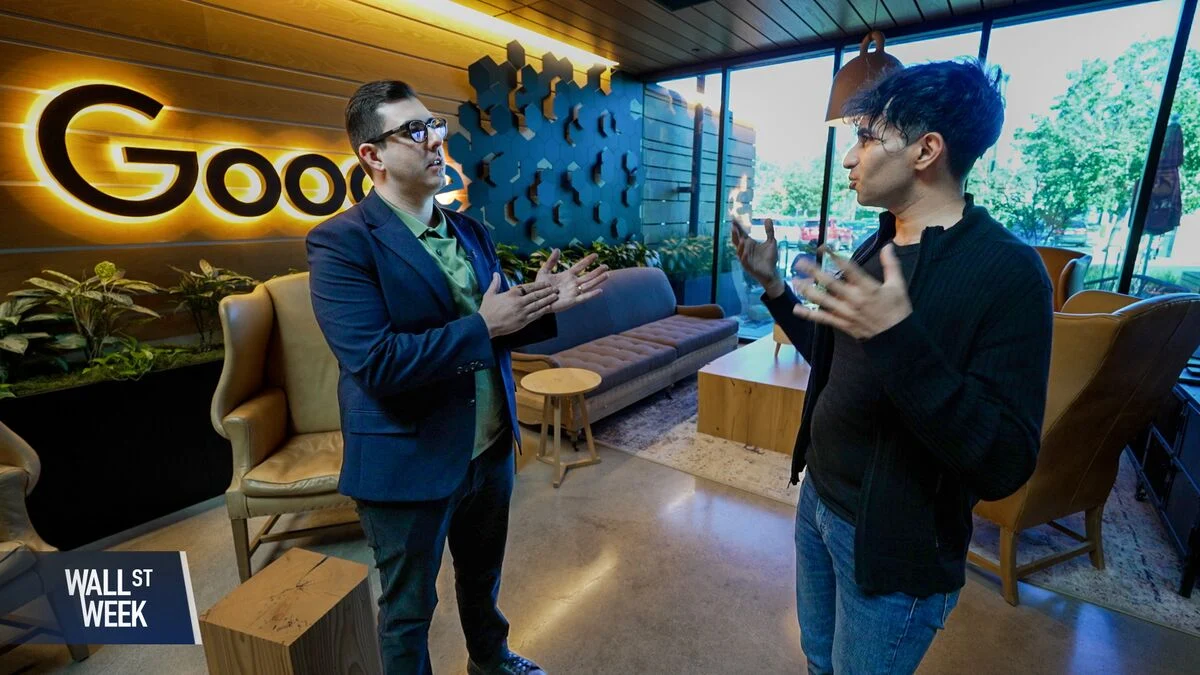
Professional programmers are also adopting AI-assisted coding to enhance productivity, but experts emphasize that AI does not replace the complexity and rigor of traditional software engineering. A director at Google Cloud AI stated that while vibe coding broadens participation in software creation, it does not signify the end of serious engineering practices.
In the context of hiring and workforce trends, companies are experiencing a decline in demand for junior developers, partially due to the perception that AI tools can fill entry-level coding roles. However, researchers caution that this approach is a risky short-term strategy, warning that the foundational skills and understanding provided by trained engineers remain critical for long-term software quality, security, and innovation.
Why it matters
The rise of AI-powered coding tools is transforming how software is developed, making programming more accessible but also challenging traditional workforce models. Organizations reducing junior developer hiring risk losing the skilled talent base necessary to maintain and advance complex software systems over time.
Background
Generative AI technologies, such as large language models, have gained popularity for their ability to generate code snippets, debug, and automate development tasks. This has led to a surge in non-technical users engaging in coding activities, often referred to as vibe coding, which leverages AI’s capabilities to simplify software creation without deep programming knowledge.
Sources
This article is based on reporting and publicly available information from the following source:
Read more Artificial Intelligence stories on Goka World News.