
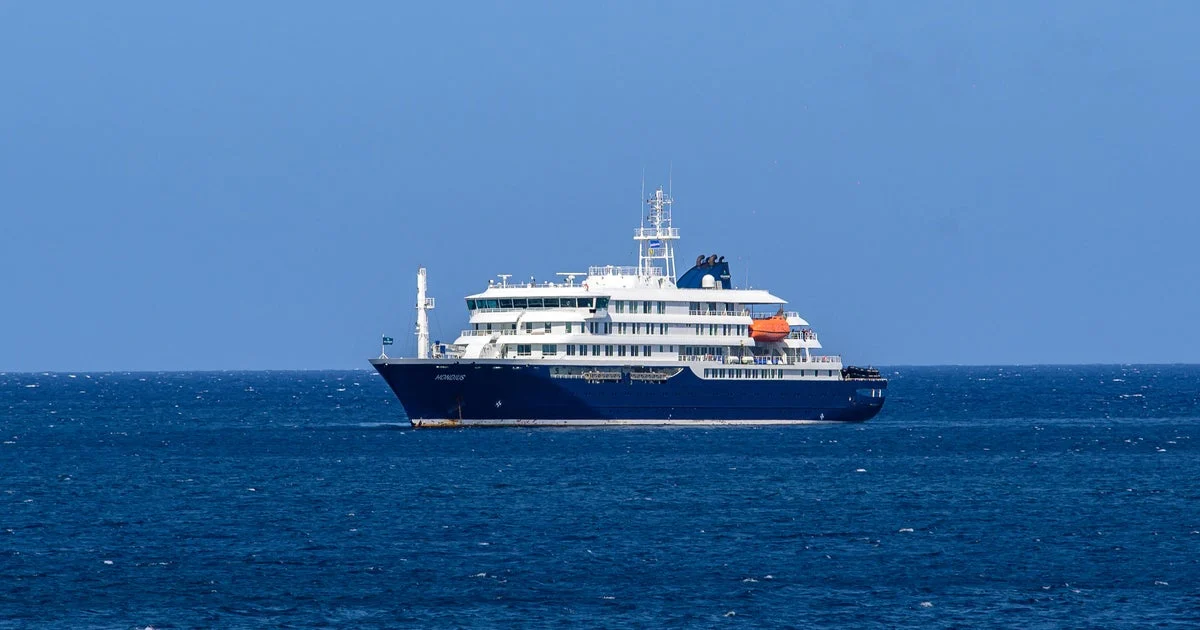
Three people have died and at least three others are sick from a suspected hantavirus outbreak aboard the Dutch-flagged cruise ship MV Hondius, which is currently anchored off the coast of Cape Verde, the World Health Organization (WHO) and South Africa’s Department of Health reported.
The first victim was a 70-year-old Dutch man who died onboard the ship on April 11. His body was later removed on the British territory of Saint Helena. His wife, also a Dutch national, became ill trying to return to the Netherlands and died at a hospital in South Africa. The third fatality was a German passenger who died on May 2 while still aboard the ship.
One British national patient linked to the outbreak is currently in intensive care in Johannesburg after becoming ill near Ascension Island. The patient’s hantavirus infection is the only confirmed case so far, according to the cruise operator Oceanwide Expeditions. Two other crew members remain ill on board, with local authorities assessing their condition and considering medical evacuation.
The MV Hondius departed Argentina about three weeks ago and has since visited Antarctica, the Falkland Islands, and other locations. It was scheduled to reach the Canary Islands in Spain. The ship houses approximately 149 passengers from 23 countries and about 70 crew members.
WHO stated that investigations are ongoing, including viral sequencing and epidemiological studies. The organization emphasized that medical care and support are in place and continues to coordinate with authorities. WHO’s regional director for Europe, Dr. Hans Henri P. Kluge, reassured the public that the risk of wider transmission remains low with no need for panic or travel restrictions.
Why it matters
The outbreak underscores the risks posed by hantavirus, a rare but potentially fatal infection spread mainly through rodent excreta. Hantavirus can cause serious conditions such as hantavirus pulmonary syndrome and hemorrhagic fever with renal syndrome, which primarily affect the lungs and kidneys respectively. Human-to-human transmission is rare but possible, making containment critical.
Given the confined space and international nature of cruise ships, contagious diseases can rapidly threaten passenger and crew safety. Health authorities are closely monitoring the situation to prevent further spread both onboard and in port communities.
Background
Hantaviruses are globally distributed viruses carried by rodents like rats and mice. Infection typically occurs via inhalation of aerosolized virus particles from contaminated rodent urine, droppings, or nesting materials. There is no specific cure for hantavirus infections, and treatment is supportive, aimed at managing symptoms and complications.
The MV Hondius is operated by Oceanwide Expeditions, which has implemented isolation, hygiene measures, and medical surveillance onboard. South African health officials are conducting contact tracing in Johannesburg to track any secondary exposures.
The cruise line and local authorities currently do not permit passengers to disembark in Cape Verde due to ongoing health concerns. Authorities continue exploring options for medical evacuation of the most severely ill.
Sources
This article is based on reporting and publicly available information from the following source:
Read more Health & Public Health stories on Goka World News.