
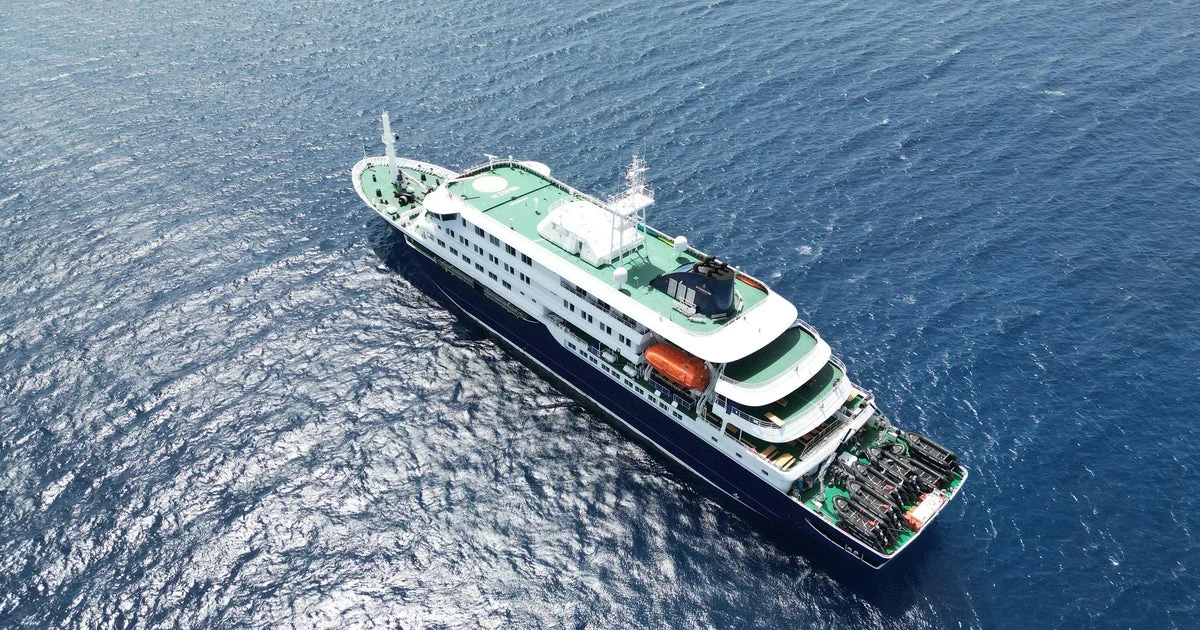
A suspected hantavirus outbreak aboard the Dutch cruise ship MV Hondius, currently stranded in the Atlantic Ocean, has infected approximately 150 passengers and crew members, with three confirmed deaths. Health officials and the World Health Organization (WHO) are investigating how the rare virus spread among those on board and whether person-to-person transmission may have occurred.
Details of the outbreak and ongoing response
The MV Hondius, operating a polar expedition, last departed from Argentina where a husband and wife died in separate locations from suspected hantavirus infections—he on the ship and she later in South Africa. South African authorities confirmed that the woman’s blood tested positive for hantavirus. A British passenger evacuated to South Africa also tested positive and remains critically ill.
WHO officials, including Maria Van Kerkhove, the agency’s director of epidemic and pandemic preparedness, noted the possibility of limited human-to-human transmission, citing examples such as the infected couple who shared a cabin. However, the agency is investigating whether some infections originated outside the ship, including during stops at various islands along the African coast where rodents and wildlife are common.
At least four additional suspected cases, including one fatality involving a German passenger, have been reported on the ship. No rodents have been detected aboard the MV Hondius, according to WHO representatives who have examined the vessel’s pest traps.
Cape Verde authorities, where the ship is currently held, have provided medical teams but have restricted the ship from docking due to health concerns. Evacuation of sick passengers by helicopter commenced, and the ship is expected to continue toward the Canary Islands after medical assessments.
Hantavirus transmission and strain considerations
Hantaviruses typically spread to humans via contact with aerosolized rodent excreta, but human-to-human transmission is known only with the Andes virus strain, which predominates in South America. This strain was responsible for a 2018 outbreak in Argentina involving 34 cases and 11 deaths. Such transmission requires prolonged close contact, limiting its pandemic potential.
Medical experts caution that hantavirus infections remain rare globally, with fewer than 900 cases reported in the U.S. over three decades.
Psychological impact and outlook
Passengers face an uncertain quarantine that could extend up to eight weeks, given the virus’s incubation period. Travel blogger Jake Rosmarin, aboard the ship, expressed anxiety over the lack of clarity and safety.
WHO stressed its commitment to supporting the ship’s operators and affected countries, acknowledging passenger fears and maintaining that hantavirus does not represent a widespread pandemic threat.
Why it matters
This outbreak highlights the challenges of controlling rare zoonotic diseases in confined environments such as cruise ships. The possibility of limited human-to-human hantavirus transmission and the long incubation period complicate containment efforts and increase public health vigilance on international travel vessels.
Background
Hantavirus is a group of viruses carried by rodents that can cause severe respiratory illness in humans. The Andes virus strain, found predominantly in South America, is distinctive as the only hantavirus known to transmit between people. Outbreaks are sporadic but can be deadly, emphasizing the need for early detection and response to prevent further spread.
Sources
This article is based on reporting and publicly available information from the following source:
Read more Health & Public Health stories on Goka World News.