
Microsoft is reconsidering its ambitious goal to power all operations with 100 percent renewable energy by 2030 as its expanding artificial intelligence (AI) data centers demand more energy than can be sustainably sourced. This shift follows the company’s recent pause in purchasing carbon removal credits, an industry it helped establish to mitigate emissions.
The growing energy appetite for AI infrastructure appears incompatible with Microsoft’s clean energy commitments, highlighting wider industry challenges. Bloomberg reported that Microsoft may delay or even abandon its renewable targets, signaling a significant retreat from earlier promises to address climate change through technology.
Impact on Local Communities and Environment
In Vineland, New Jersey, Microsoft’s development partners, DataOne and Nebius, are constructing the region’s first hyperscale data center. The facility’s scale—comparable to the Empire State Building—and anticipated energy consumption, estimated to be double that of the city’s entire demand, have raised community alarms about air quality and water resources.
The data center will run on 32 on-site gas generators relying on methane power, with developers proposing to use genetically engineered microalgae biofilters to capture pollutants. However, the technology remains unproven at such a scale, with experts cautioning the system may not effectively mitigate emissions and could even result in net pollution if the CO₂ captured is converted into fuels and then combusted.
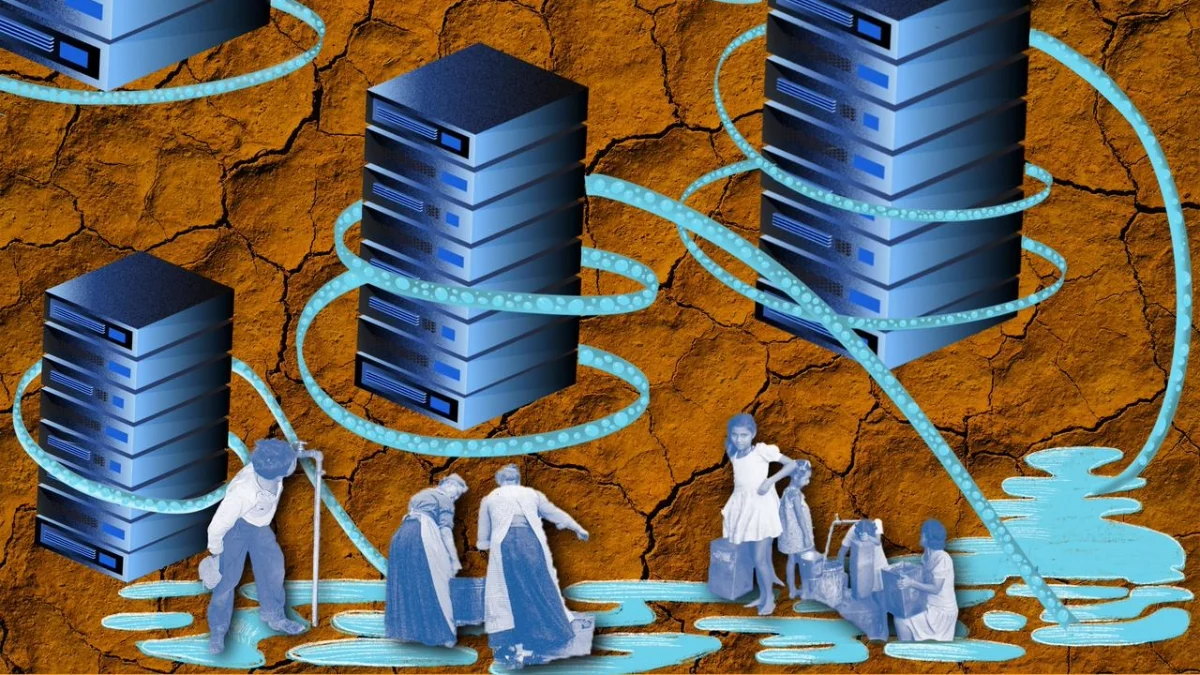
Water use is another serious concern. While developers describe the system as a “closed loop,” local estimates indicate potential consumption exceeding 1.1 billion gallons annually. DataOne claims it will reduce this amount by harvesting water from exhaust, but details remain unverified, prompting skepticism among community members.
Community Response and Governance Challenges
Local residents and environmental advocates in Vineland have voiced opposition due to the potential health and ecological risks and the lack of meaningful community engagement in the project’s approval. Despite hundreds of public comments against the development, local government officials have largely supported the data center, with some council members approving financial loans and others downplaying or deflecting environmental concerns.
Activists have encountered resistance and legal threats when raising questions about conflicts of interest. State representatives have likewise been unresponsive, while developers publicly thank them for backing the project. Community groups have had to rely on public records requests to uncover the facility’s environmental impact assessments, revealing permit application deficiencies and raising doubts about claims made by the developers.
Broader Implications for Big Tech and Climate Solutions
Microsoft’s experience in Vineland is emblematic of a wider pattern where Big Tech companies promote speculative “false solutions” such as carbon capture technologies, algae-based biofuels, and AI-driven climate fixes that have yet to demonstrate scalability or effectiveness. Critics warn these approaches risk distracting from proven solutions like expanding wind and solar power alongside responsible, community-centered data center development.
Furthermore, Microsoft and other technology firms have been implicated in supporting fossil fuel extraction through enabling technologies, deepening their complex role in the climate crisis. The company’s retreat from its renewable energy targets raises questions about the reliability and longevity of voluntary corporate commitments to sustainability, especially as energy demands escalate rapidly.
Why it matters
Microsoft’s potential abandonment of its 100 percent renewable energy goal underscores the challenges of reconciling rapid AI-driven growth with climate commitments. The associated environmental and social impacts on communities like Vineland reveal the risks of relying on untested technologies and weak local governance to manage industrial expansion.
This case serves as a cautionary example for policymakers, advocates, and communities facing similar proposed developments, highlighting the need for transparent, accountable approaches to balancing technological advancement with environmental justice and sustainability.
Background
Microsoft announced its “moonshot” objective of matching energy use with renewables by 2030 as part of broader climate initiatives. However, the rapid expansion of AI and cloud services has increased energy demand beyond initial projections. Industry experts now question whether voluntary corporate pledges can meet global emissions reduction targets without binding regulations or systemic changes.
Communities hosting large data centers have reported challenges including air pollution, high water consumption, and strain on local infrastructure. Efforts to integrate innovative carbon capture or water-saving technologies remain experimental, and regulatory oversight varies significantly across regions.
Sources
This article is based on reporting and publicly available information from the following source:
Read more Climate & Environment stories on Goka World News.