
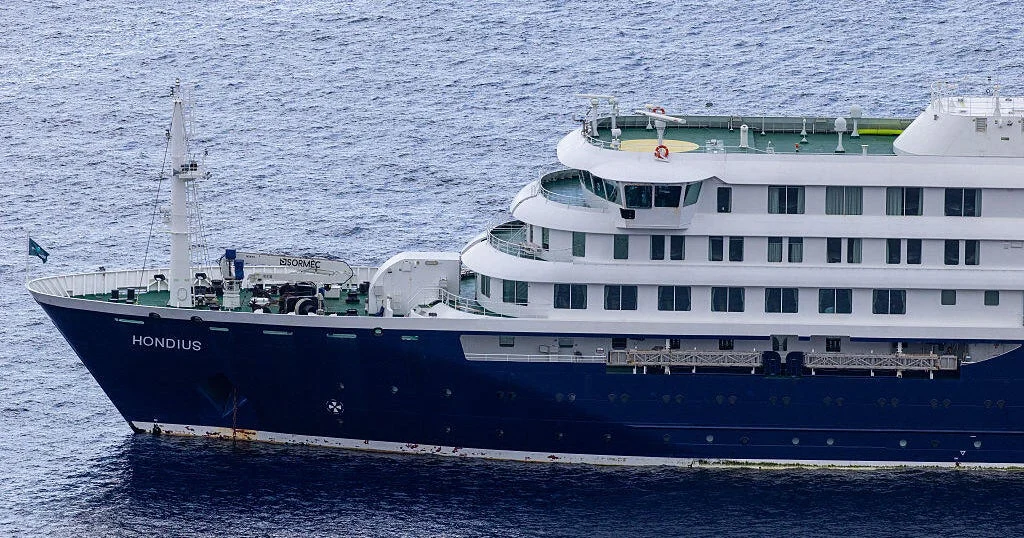
The United States government is organizing a repatriation flight to safely evacuate 17 Americans from the cruise ship MV Hondius, which is currently dealing with a hantavirus outbreak. The evacuation is being coordinated by the U.S. Centers for Disease Control and Prevention (CDC) and the Department of Health and Human Services, in cooperation with Spanish authorities, the U.S. State Department confirmed on Friday.
The MV Hondius is en route from Cape Verde to the Canary Islands and is expected to reach Tenerife early Sunday local time. Spanish officials have barred the ship from docking, so it will anchor offshore. Passengers will disembark in small groups after health screenings confirm they have no symptoms, using isolated routes to prevent virus spread. Each group will be transported immediately to airports for evacuation flights arranged by their respective countries.
Upon arrival in the United States, passengers will be taken to the University of Nebraska Medical Center’s National Quarantine Unit, which features a biocontainment facility designed to handle infectious diseases. The medical repatriation flight is scheduled to land at Offutt Air Force Base near Omaha, Nebraska. Michael Wadman, medical director of the quarantine unit, stated that each individual will have a private room outfitted with amenities like WiFi and exercise equipment to maintain comfort in case the quarantine period extends. Currently, the duration of quarantine remains undefined.
The CDC is dispatching teams of epidemiologists and medical professionals to the Canary Islands to evaluate the exposure risk for each American passenger and advise on monitoring protocols. Additional CDC personnel will be stationed at Offutt Air Force Base to support incoming evacuees. The World Health Organization (WHO) is also conducting health checks onboard the cruise ship and assessing exposure levels to inform health guidance for passengers.
Since the outbreak, there have been nine confirmed or suspected hantavirus cases linked to the cruise, including three fatalities—a Dutch couple and another woman who died onboard. The couple had travel history in South America, where the Andes strain of hantavirus, capable of human-to-human transmission, is found. WHO and Spanish officials reported that, as of Friday, no one aboard exhibited symptoms.
Angela Hewlett, medical director at the Nebraska Biocontainment Unit, explained that hantavirus generally requires very close contact for transmission and stated there is no indication the virus will escalate into a global pandemic.
Why it matters
This evacuation highlights the U.S. government’s readiness to respond to emerging infectious disease threats abroad and underscores the role of specialized quarantine facilities in containing potentially contagious diseases. The hantavirus outbreak aboard an international cruise ship poses a limited but significant risk, prompting coordinated international public health efforts to prevent wider transmission.
Background
Hantavirus is a rare viral infection that can lead to severe respiratory illness. The Andes strain, primarily found in parts of South America, is unique in its capacity for human-to-human spread, unlike other hantavirus variants transmitted mainly through rodent excreta. Monitoring and isolating exposed individuals is a key containment strategy. Cruise ships, with their close quarters and international passenger lists, present particular challenges for infectious disease control.
Sources
This article is based on reporting and publicly available information from the following source:
Read more US News stories on Goka World News.