
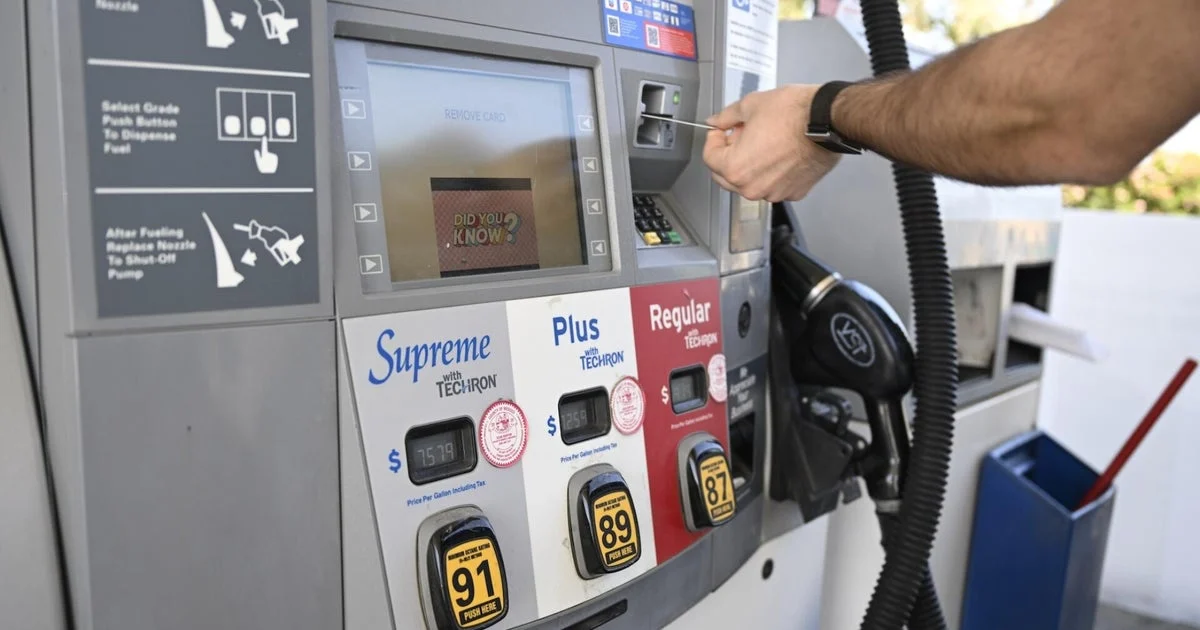
The average retail price of gasoline in the United States has reached $4.55 per gallon, representing an increase of more than 50% since the onset of the conflict involving Iran. This rise is exerting noticeable pressure on consumers’ budgets across the country.
Impact on Consumer Spending
The increase in gas prices has translated into higher transportation and commuting costs for American drivers. CBS News business analyst Jill Schlesinger highlighted that this surge is influencing household spending habits, as families allocate more of their income to fuel expenses, potentially reducing discretionary spending in other areas.
Geopolitical Drivers
The escalation in prices coincides with heightened tensions following the outbreak of war with Iran. Such geopolitical conflicts tend to disrupt global oil supply chains and drive uncertainty in energy markets, factors that contribute to volatility and rising costs at the pump.
Regional Variations and Market Trends
While the national average price is $4.55, gas prices can vary significantly by region due to differences in supply logistics, state taxes, and refinery outputs. Energy market analysts continue to monitor these dynamics as they adjust to ongoing geopolitical and economic developments.
Why it matters
Increasing gasoline costs impact inflation and the broader economy by elevating transportation expenses for both consumers and businesses. Sustained high fuel prices may contribute to slower economic growth and altered consumer behavior, with potential ripple effects on retail sales and service industries.
Sources
This article is based on reporting and publicly available information from the following source:
Read more Business stories on Goka World News.