
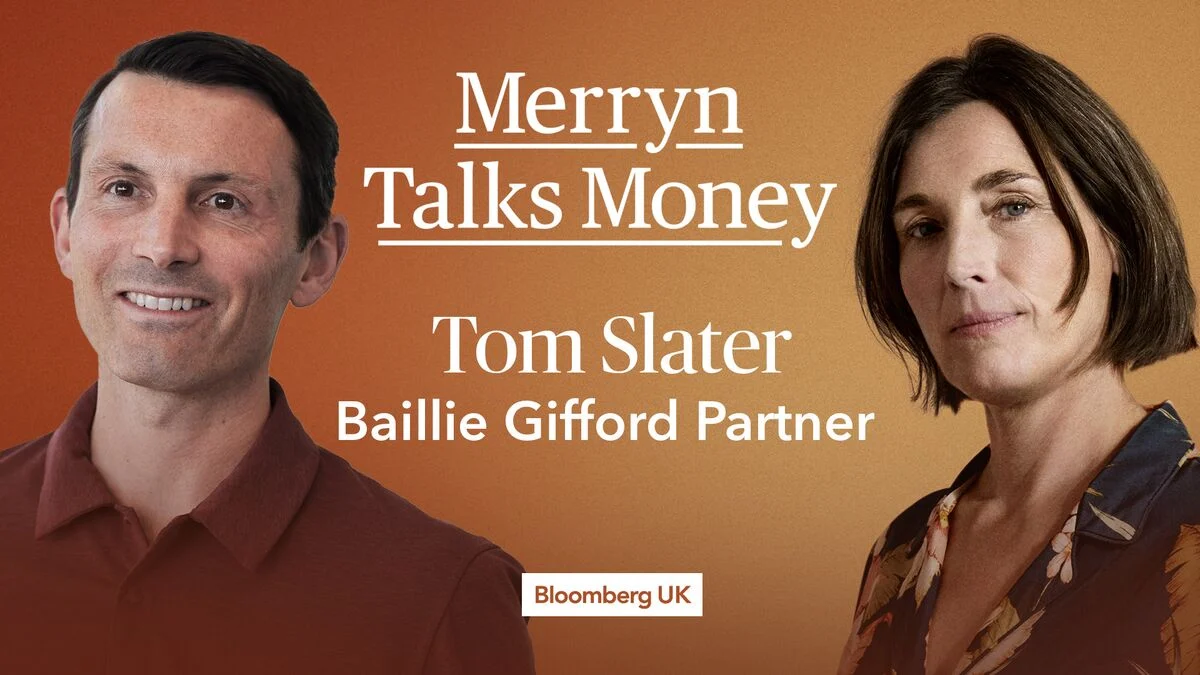
Tom Slater, manager of the Scottish Mortgage Investment Trust and partner at Baillie Gifford, argues that the primary impact of artificial intelligence (AI) may not be job displacement but erosion of human judgment, learning, and expertise. In his recently published paper titled “AI Isn’t Coming for Your Job. It’s Coming for Your Mind,” Slater suggests that AI’s influence could subtly degrade critical cognitive skills that underpin long-term progress and innovation.
During his discussion with Merryn Somerset Webb on the “Merryn Talks Money” podcast, Slater emphasized that while concerns about AI replacing jobs dominate public discourse, the less visible threat is how AI might diminish important human capabilities necessary for complex decision-making and knowledge accumulation. He argues that AI can make workplaces appear more productive in the short term, but this masked effect risks undermining deeper intellectual development in the workforce.
Slater also explored the consequences this subtle shift could have on future labor dynamics and investment strategies. If human expertise and sound judgment weaken under over-reliance on AI, organizations and investors may face unforeseen challenges in innovation and risk management. These changes could reshape workforce training priorities, corporate leadership, and portfolio management approaches.
Why it matters
Slater’s perspective highlights a critical dimension of the AI revolution that extends beyond employment statistics and automation trends. By focusing on potential cognitive and educational impacts, his analysis urges policymakers, business leaders, and investors to consider how AI integration might affect human skills essential for sustainable progress. This approach underscores the need to balance AI adoption with measures that preserve and enhance human expertise.
Background
The debate around AI’s economic and social effects has largely centered on job automation and labor market disruption. However, recent thought leadership, including Slater’s paper, is expanding the conversation to include impacts on cognitive processes and institutional knowledge. The Scottish Mortgage Investment Trust, managed by Slater at Baillie Gifford, is known for investing in innovative technologies, giving his insights particular relevance in understanding AI’s broader implications.
Sources
This article is based on reporting and publicly available information from the following source:
Read more Artificial Intelligence stories on Goka World News.