
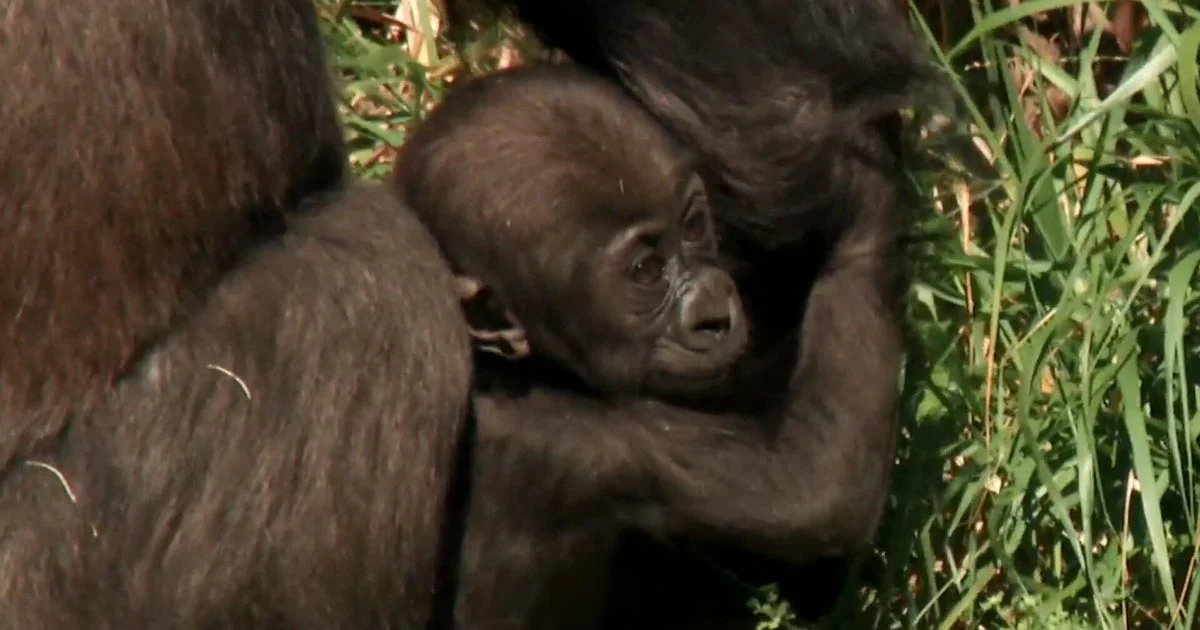
The Los Angeles Zoo has experienced a significant baby boom among endangered primates, welcoming five newborns in less than five months. The arrivals include one baby gorilla, one baby orangutan, and three baby chimpanzees, attracting considerable public attention and enthusiasm.
These births represent important conservation milestones for the zoo’s efforts to support endangered species. Each of these primate groups faces threats in the wild, making successful breeding in captivity vital for species preservation and genetic diversity.
The zoo’s baby boom underscores its role in providing safe habitats and expert care that allow endangered species to thrive outside their native environments. It also raises public awareness about conservation challenges facing primates in the wild.
Why it matters
Endangered primates such as gorillas, orangutans, and chimpanzees are at risk due to habitat loss, poaching, and other human activities. The births at the Los Angeles Zoo contribute to global conservation breeding programs aimed at stabilizing and increasing populations. Such efforts help maintain species diversity and provide opportunities for future reintroduction into the wild where feasible.
In addition to conservation, these newborns help engage the public with wildlife preservation issues by drawing visitors eager to see the new baby animals. This exposure supports educational goals and encourages broader conservation support.
Background
The Los Angeles Zoo is part of the Association of Zoos and Aquariums (AZA) Species Survival Plan, which coordinates breeding efforts across accredited institutions to maintain healthy, sustainable captive populations of endangered species. Primate births are carefully monitored and documented to support genetic management and species recovery initiatives.
Successful breeding of great apes in zoos remains challenging due to complex social and environmental needs. The recent births reflect ongoing improvements in habitat design, nutrition, and veterinary care that support animal welfare and reproduction in captivity.
Sources
This article is based on reporting and publicly available information from the following source:
Read more Science Discoveries stories on Goka World News.