
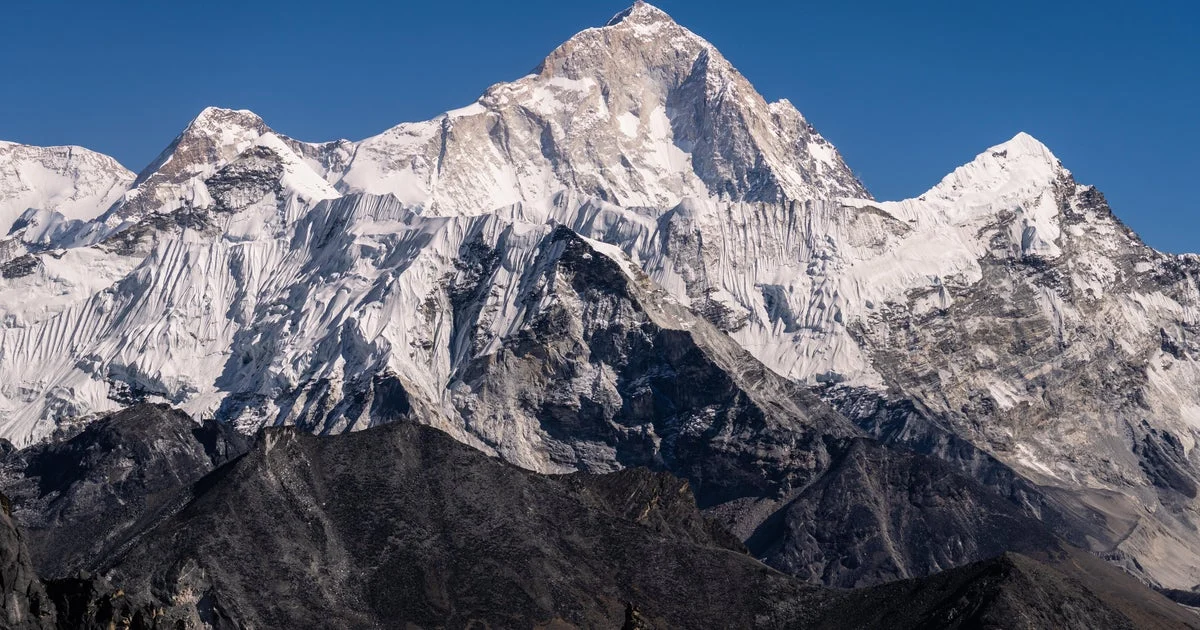
An American climber, Shelley Johannesen, died after being caught in an avalanche on Nepal’s Mount Makalu on Monday, officials confirmed. Johannesen, 53, had just summited the world’s fifth-highest peak before the fatal avalanche struck during her descent from around 23,600 feet.
Johannesen, co-founder of U.S.-based Dash Adventures, was climbing with a team that included her partner, David Ashley, and two Nepali guides. The avalanche occurred just below Camp 3 on the mountain. Expedition Himalaya’s managing director, Nabin Trital, described the incident to AFP, confirming her death.
Her partner, David Ashley, expressed his grief on social media, describing Johannesen as an extraordinary person who pursued her passions boundlessly. Johannesen’s body was transported to a hospital in Kathmandu after the accident.
Mount Makalu, located southeast of Mount Everest, is noted for its steep, pyramid-like shape and technical difficulty due to severe weather conditions and its remote location. The mountain stands at 27,838 feet, presenting significant challenges even for experienced climbers.
This incident adds to a growing number of fatalities during Nepal’s busy spring climbing season. So far, four deaths—including three Nepali guides and a Czech climber, David Roubinek—have been reported in the Himalayas this year.
Nepal’s government has issued over 1,000 climbing permits this season for 30 mountains, including 72 for Mount Makalu and a record 492 for Mount Everest, underscoring the region’s continuing popularity among mountaineers worldwide.
Why it matters
Spring is one of the prime climbing seasons in Nepal, drawing hundreds of mountaineers to some of the world’s highest and most perilous peaks. Rising permit numbers point to increased climbing activity, which may correlate with higher risks and fatalities. The death of experienced climbers like Johannesen highlights the hazards present even for skilled individuals in this environment.
Background
Nepal is home to eight of the world’s 10 highest mountains, including Everest and Makalu. These peaks attract climbers annually during spring and autumn when weather windows are most favorable. However, avalanches and extreme weather remain constant threats, contributing to seasonal climbing accidents. Mount Makalu is considered particularly challenging due to its technical routes and isolation.
Sources
This article is based on reporting and publicly available information from the following source:
Read more World News stories on Goka World News.