
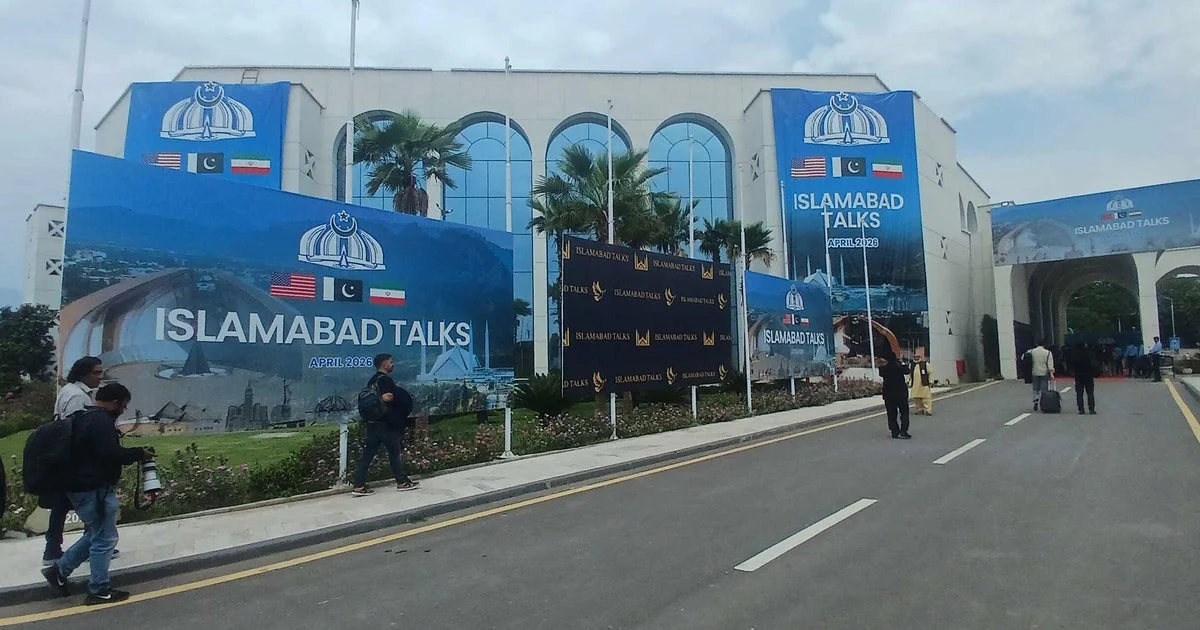
Pakistan allowed Iranian military aircraft, including reconnaissance planes, to park at a key airbase near Rawalpindi during a ceasefire with the United States, according to U.S. officials familiar with the situation. This move came while Pakistan publicly served as a mediator in tensions between Tehran and Washington.
Sources told CBS News that days after President Trump announced a ceasefire in early April, Iran deployed multiple aircraft to Pakistan Air Force Base Nur Khan, a strategically important military facility. Among them was an Iranian Air Force RC-130, a reconnaissance variant of the Lockheed C-130 Hercules transport aircraft. Officials disclosed that Iran also sent civilian aircraft to neighboring Afghanistan, although it was unclear whether any military planes were included there.
A senior Pakistani official disputed claims of large Iranian military aircraft presence at Nur Khan Air Base, stating that the base’s location in a populated city would make hiding such activity impossible. However, Pakistan’s Ministry of Foreign Affairs confirmed in a statement that Iranian planes are currently in the country, arriving during the ceasefire. The ministry emphasized that these aircraft were not linked to military contingencies but facilitated diplomatic and security personnel movements linked to ongoing peace discussions.
The ministry reiterated Pakistan’s role as a neutral facilitator, maintaining transparency with all involved parties. An Afghan civil aviation official reported that an Iranian civilian plane belonging to Mahan Air was parked at Kabul Airport before the war began, later moved to Herat Airport near the Iranian border for safety amid escalating conflict and Pakistani airstrikes on Kabul. Taliban authorities denied the presence of Iranian military aircraft in Afghanistan.
Pakistan’s military assistance has increasingly come from China in recent years, with the Stockholm International Peace Research Institute noting that China supplied about 80% of Pakistan’s major arms between 2020 and 2024. Pakistan’s diplomatic balancing act involves maintaining stable relations with both the U.S. and Iran while cooperating closely with China, which supports Tehran economically and militarily.
Iran’s recent peace proposal to the United States included demands for reparations, recognition of Iranian sovereignty over the Strait of Hormuz, and the lifting of American sanctions. President Trump publicly rejected the offer as “totally unacceptable,” escalating strain despite the nominal ceasefire.
Small-scale clashes have continued in the region, including attacks by Iranian drones on the United Arab Emirates and U.S. naval vessels coming under fire near the Strait of Hormuz. These incidents highlight the ongoing volatility despite diplomatic efforts involving Pakistan as an intermediary.
Why it matters
Pakistan’s allowance of Iranian military aircraft to station on its airfields complicates its role as a neutral mediator in the ongoing Iran-U.S. conflict. The move may provide Tehran with strategic protection for its assets amid continued hostilities, raising concerns about the effectiveness and impartiality of diplomatic channels aimed at de-escalating tensions.
Background
Pakistan has sought to position itself as an intermediary between Tehran and Washington amid escalating conflict that includes naval confrontations and drone strikes near the Strait of Hormuz. The country’s growing military dependence on China, which supports Iran, influences its diplomatic posture. While Pakistan promotes peace talks and diplomacy publicly, its simultaneous support in allowing Iranian military assets on its territory reflects the complex regional dynamics at play.
Sources
This article is based on reporting and publicly available information from the following source:
Read more World News stories on Goka World News.