
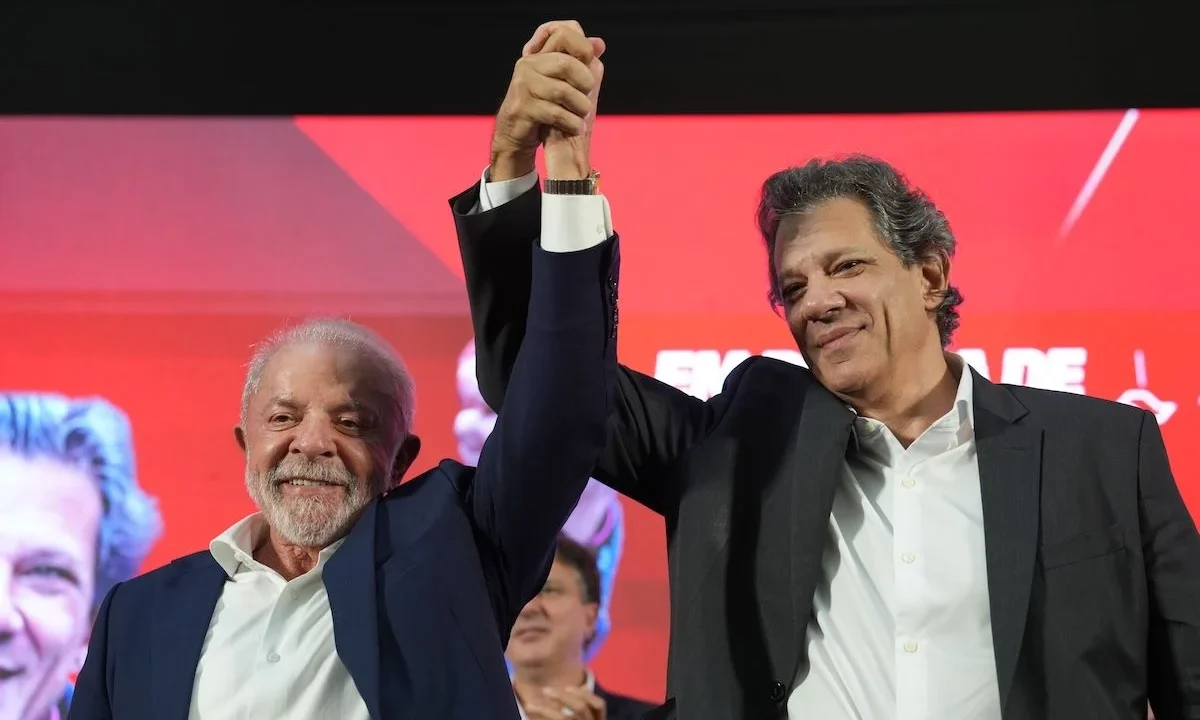
Brazil’s upcoming October 2026 presidential election marks the country’s first significant confrontation with the risks posed by generative artificial intelligence (AI) in political campaigns. The emergence of AI-generated profiles, such as the widely viewed “Dona Maria,” demonstrates how synthetic content can shape public opinion and complicate the enforcement of existing electoral rules.
AI-Generated Political Content Influencing Voters
“Dona Maria” is a fictional Black, elderly woman character created by Daniel Cristiano dos Santos, a 37-year-old Uber driver from Rio de Janeiro, who uses AI tools like Google Gemini and Flow to produce videos expressing political opinions. These videos, which have garnered millions of views and substantial engagement on social media, frequently criticize current president Luiz Inácio Lula da Silva while addressing topics like economic hardships and international affairs.
The character strategically represents a demographic—older, Black voters—that heavily supports Lula, yet most viewers engage with the profile as if it were a real person. The anonymous creator has admitted to monetizing the content and teaching others how to create similar AI-generated videos, including methods to bypass built-in watermarks meant to disclose synthetic content.
Regulatory Gaps and Legal Challenges
Brazil’s Senate approved an AI regulatory framework in 2024 inspired by the European Union’s AI Act, requiring visible watermarks on synthetic media. However, this law still awaits approval by the Chamber of Deputies. Meanwhile, Brazil’s Superior Electoral Court (TSE) has implemented resolutions prohibiting the use of deepfakes and AI chatbots during election campaigns since 2024. Yet, the definition of what constitutes a deepfake remains unclear, complicating enforcement.
Legal experts and advocacy groups highlight that current regulations do not adequately address AI-generated personas that do not impersonate real individuals but still influence political discourse. This ambiguity risks inconsistent rulings and challenges in balancing electoral integrity with freedom of expression. A lawsuit filed by parties in Lula’s coalition seeks to suspend the “Dona Maria” profile for undisclosed AI use and alleged misinformation, further emphasizing the legal complexity.
Implications for Brazil’s Electoral Integrity
The use of AI-generated political content reflects broader concerns about misinformation and democratic processes in Brazil. Studies indicate a sharp rise in false content online from 2024 to 2025, with AI increasingly employed to produce ideologically biased material. While pro-government groups have created AI personas to counter narratives like “Dona Maria,” their reach and engagement remain limited compared to the original profile.
Researchers underline that the exploitation of AI-generated figures that mimic marginalized communities raises ethical questions and potential social harms. Brazilian authorities face pressure to clarify regulations and hold platforms accountable for content dissemination.
Why it matters
The 2026 elections represent a critical test for Brazil’s ability to regulate AI in the political sphere amid intense polarization. The widespread use of synthetic media challenges traditional electoral safeguards and legal definitions, risking voter manipulation and misinformation at scale. This situation underscores an urgent need for clear legal standards, platform accountability, and international cooperation to maintain democratic integrity in the face of evolving AI technologies.
Background
Brazil has experienced increasing digital disinformation, with AI tools becoming more accessible and sophisticated. The Brazilian Senate’s AI bill draws from the EU’s AI regulations but remains incomplete. The TSE, which oversees elections, has had shifting leadership with differing stances on platform liability and free speech, complicating consistent policy enforcement. Experts warn that without robust regulation, AI could become a dominant and unregulated force in future electoral processes.
Sources
This article is based on reporting and publicly available information from the following source:
Read more AI Regulation stories on Goka World News.