
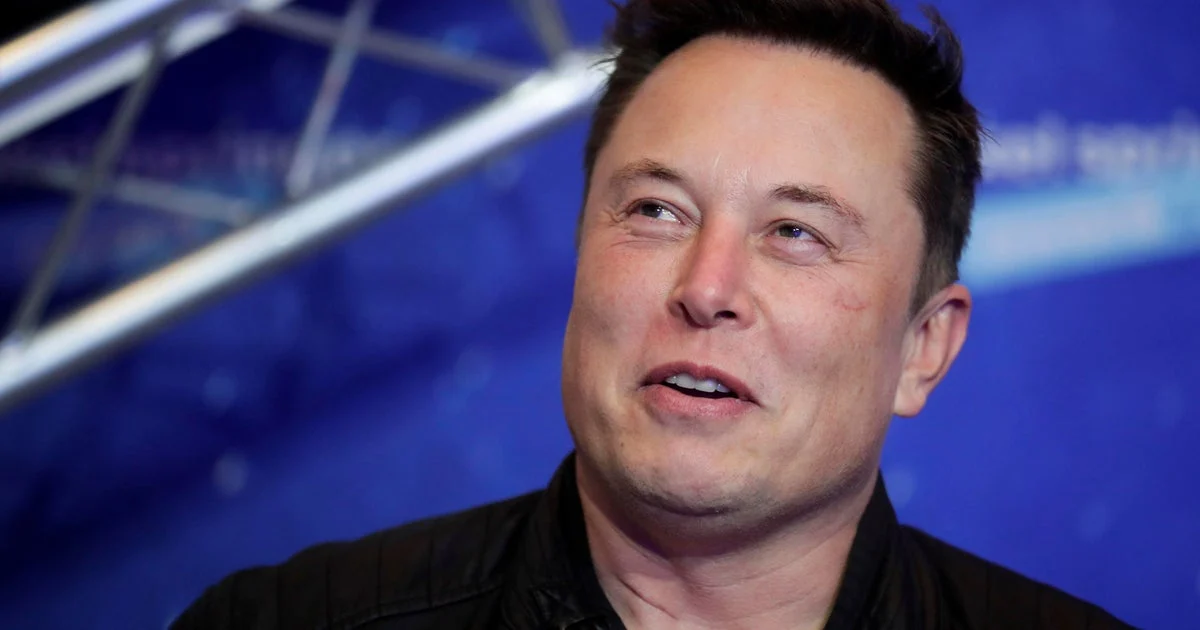
Elon Musk arrived in Beijing on Wednesday while his $150 billion civil lawsuit against OpenAI CEO Sam Altman continued in a California court. Musk’s travel comes after a U.S. district judge warned he could be recalled to provide additional testimony in the case.
In late April, during Musk’s testimony, U.S. District Judge Yvonne Gonzalez Rogers of San Francisco informed Musk that although he could leave the stand for the day, he was not excused from the trial and could be called back at the request of OpenAI’s attorneys. However, the judge did not explicitly bar Musk from traveling or require him to stay near the courthouse.
As a party and witness in this civil trial, Musk was not obligated to attend all proceedings in person. The trial’s last day of testimony was on Wednesday, with closing arguments scheduled for Thursday. Musk’s trip to China means he is expected to miss these final court events.
Musk flew to Beijing overnight on Tuesday aboard Air Force One, joining a delegation of business leaders traveling with former President Donald Trump. The delegation plans to meet with Chinese President Xi Jinping during the visit.
The lawsuit centers on Musk’s claims against OpenAI CEO Sam Altman, whom Musk co-founded the company with in 2015 as a nonprofit. Musk alleges that Altman has deviated from OpenAI’s original nonprofit mission by prioritizing profits. Musk seeks Altman’s removal from the board, the restoration of the company’s nonprofit status, and the transfer of millions of dollars to OpenAI’s charitable arm.
OpenAI counters that Musk’s lawsuit serves his own interests by supporting his competing artificial intelligence firm, xAI.
As of now, Musk has not responded to requests for comment on his travel or the ongoing trial.
Why it matters
Musk’s travel during active litigation raises questions about witness availability and trial strategy in high-profile civil cases. The trial outcome could influence the governance and future direction of OpenAI, a major player in artificial intelligence development. The dispute also highlights tensions around AI commercialization and nonprofit commitments in the tech industry.
Background
Elon Musk, known for leading Tesla, SpaceX, and X, was a co-founder of OpenAI, established as a nonprofit entity to develop artificial intelligence responsibly. Over time, OpenAI shifted its structure towards a capped-profit model under Altman’s leadership, leading to Musk’s lawsuit alleging mission deviation. The legal battle represents a significant clash over the control and purpose of one of the AI sector’s leading organizations.
Sources
This article is based on reporting and publicly available information from the following source:
Read more Major Tech Companies stories on Goka World News.