
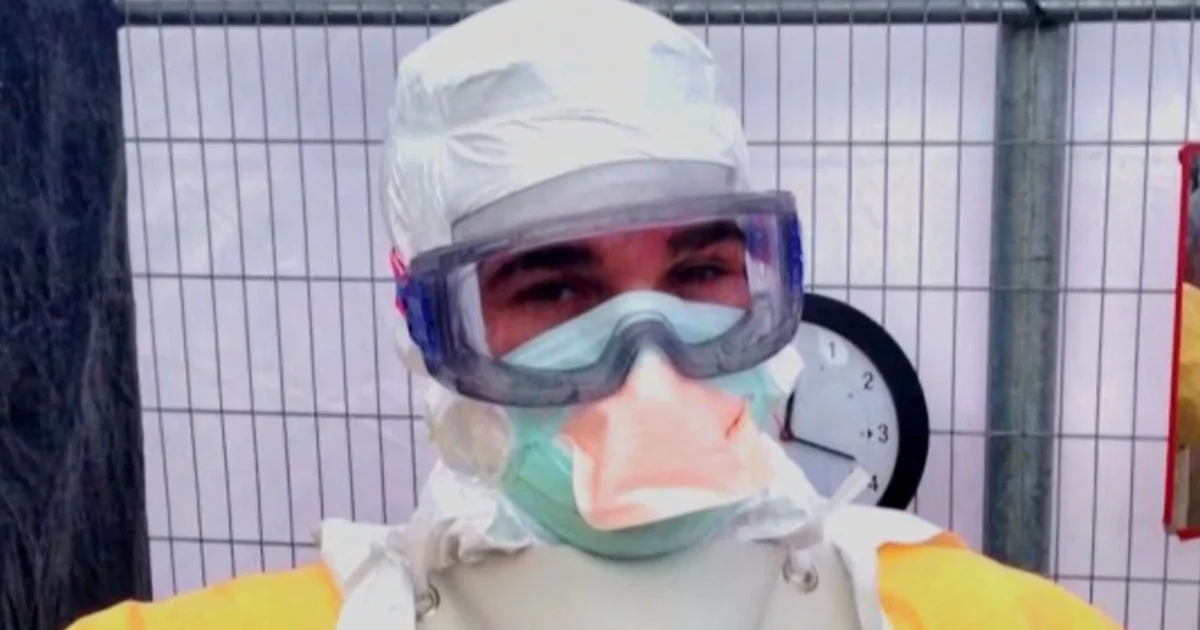
A new Ebola outbreak in eastern Congo’s Ituri province has prompted warnings from Dr. Craig Spencer, a New York emergency physician who survived the virus in 2014. Spencer highlighted the high risk faced by healthcare workers treating Ebola patients, especially during the contagious period around death.
The Africa Centres for Disease Control and Prevention reported at least 246 suspected Ebola cases and 65 deaths in the current outbreak, marking the 17th Ebola occurrence in Congo since 1976. This region is particularly vulnerable due to ongoing humanitarian crises and population movements across neighboring countries like South Sudan and Uganda, according to the World Health Organization.
Spencer contracted the Ebola virus’s Zaire strain while working with Doctors Without Borders in Guinea during the 2014 epidemic. After returning to New York, he developed symptoms and was hospitalized for 19 days at Bellevue Hospital, receiving a combination of antiviral treatments and a blood transfusion from an Ebola survivor before making a full recovery. Spencer recalled the isolation and protective measures required during his treatment, underscoring the challenges for healthcare providers.
The current Congo outbreak is caused by the Bundibugyo ebolavirus (BDV), a strain previously responsible for two small outbreaks and known to have no approved vaccines or treatments. Medical experts have expressed concern about containing this outbreak given the lack of available countermeasures and the seriousness of the situation.
Only 20 samples have been tested so far, with 13 confirmed positive. The United States has historically been a major contributor to international Ebola responses, but recent reductions in U.S. global health engagement, including dismantling of the U.S. Agency for International Development and withdrawal from the World Health Organization, have raised worries among experts like Spencer. He pointed out the absence of leadership in the White House’s Office of Pandemic Preparedness and Response as a critical gap in managing outbreaks.
Spencer noted that prior to recent administrative changes, U.S. agencies like USAID and the Centers for Disease Control and Prevention would have rapidly deployed personnel to Congo to assist during emerging outbreaks. He expressed concern that this response capacity has diminished, contributing to delays in detection and containment.
Despite these challenges, Spencer affirmed the United States retains the ability to manage Ebola cases domestically, referencing the national quarantine unit and specialized medical centers prepared to handle high-risk infectious diseases. He cited the recent U.S. response to a hantavirus cluster on a cruise ship as an example of ongoing preparedness.
Why it matters
The Congo outbreak involves a rare Ebola strain without approved vaccines or treatments, placing healthcare workers at heightened risk. The reduction in U.S. global health leadership and coordination may delay critical international response efforts, potentially allowing the virus to spread further in a volatile region with humanitarian complexities.
Background
Ebola virus outbreaks have occurred frequently in Congo since the virus’s discovery in 1976, with the 2014–2016 West Africa epidemic causing over 11,000 deaths. Dr. Spencer’s survival and experience during that outbreak have informed perspectives on the virus’s deadly nature and the strains frontline medical personnel endure. The current BDV strain is less common and lacks established medical countermeasures, complicating containment efforts amid regional instability.
Sources
This article is based on reporting and publicly available information from the following source:
Read more Health & Public Health stories on Goka World News.