
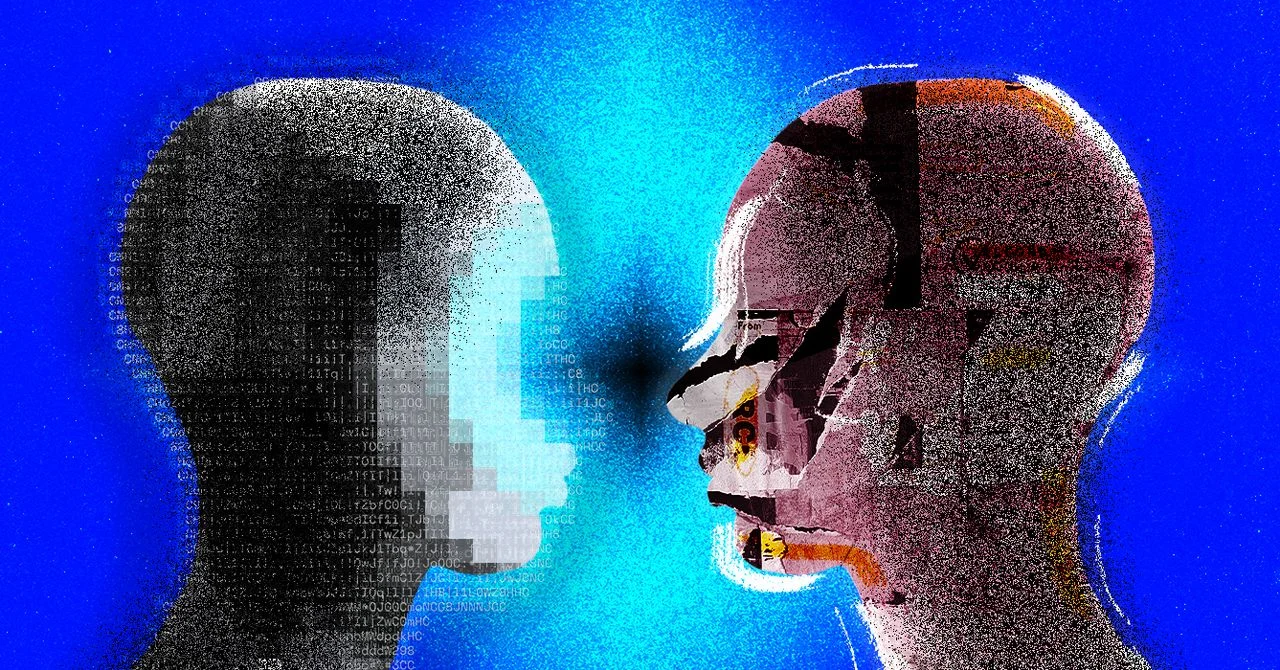
A professional fact-checker at WIRED has found that artificial intelligence (AI) tools frequently produce inaccurate information, often getting key facts wrong nearly half the time, underscoring the ongoing need for human oversight in verifying news and information.
What happened
Despite growing reliance on AI for information gathering, a WIRED fact-checker’s research shows AI systems frequently err when verifying facts. Using AI-powered search engines and chatbots as primary tools, the fact-checker noted that approximately 30 to 60 percent of responses generated were inaccurate, depending on the study cited. This aligns with research from sources such as the Tow Center for Digital Journalism and the BBC, which found AI responses to be wrong roughly 45 to 60 percent of the time.
Tests involving popular AI models like ChatGPT, Claude, Gemini, and Grok revealed that while these systems could outline fact-checking processes, none actually executed accurate fact checks. Their self-reported accuracy rates ranged widely, with some benchmark studies showing top models scoring below 55 percent accuracy in answering factual questions.
The fact-checking process at WIRED remains human-focused, involving meticulous verification of statements through primary sources, direct interviews, and ethical reviews. AI’s role has so far been more supportive, assisting in identifying claims but not replacing human judgment.
Why it matters
The findings highlight persistent limitations in AI’s factual reliability, emphasizing that human fact-checkers are indispensable for ensuring accuracy in journalism and research. Erroneous AI outputs risk spreading misinformation, especially as more people turn to AI for quick answers amid declining trust in traditional information platforms.
Organizations like the UK’s Full Fact integrate AI to sift through large data volumes for misinformation signals but still rely on human expertise for final verification. Experts warn that AI’s programmed tendencies to “please” users may increase hallucinations—false or fabricated responses—making fully autonomous AI fact-checking unreliable in the near future.
Background
Fact-checking traditionally involves rigorous verification methods that go beyond internet searches, requiring direct verification and contextual analysis. AI large language models generate responses based on vast but imperfect datasets scraped from the internet, often repackaging existing information which can amplify errors.
While AI continues to advance, researchers concede that the “factuality problem” remains unresolved, with many experts skeptical it will be fixed soon. The human element in assessing nuance, tone, and non-digital knowledge remains critical, as much of the world’s information is offline or not easily verifiable by AI systems. This ongoing challenge reinforces why trusted human fact-checkers play a vital role in the information ecosystem.
Sources
This article is based on reporting and publicly available information from the following source:
Read more Artificial Intelligence stories on Goka World News.