
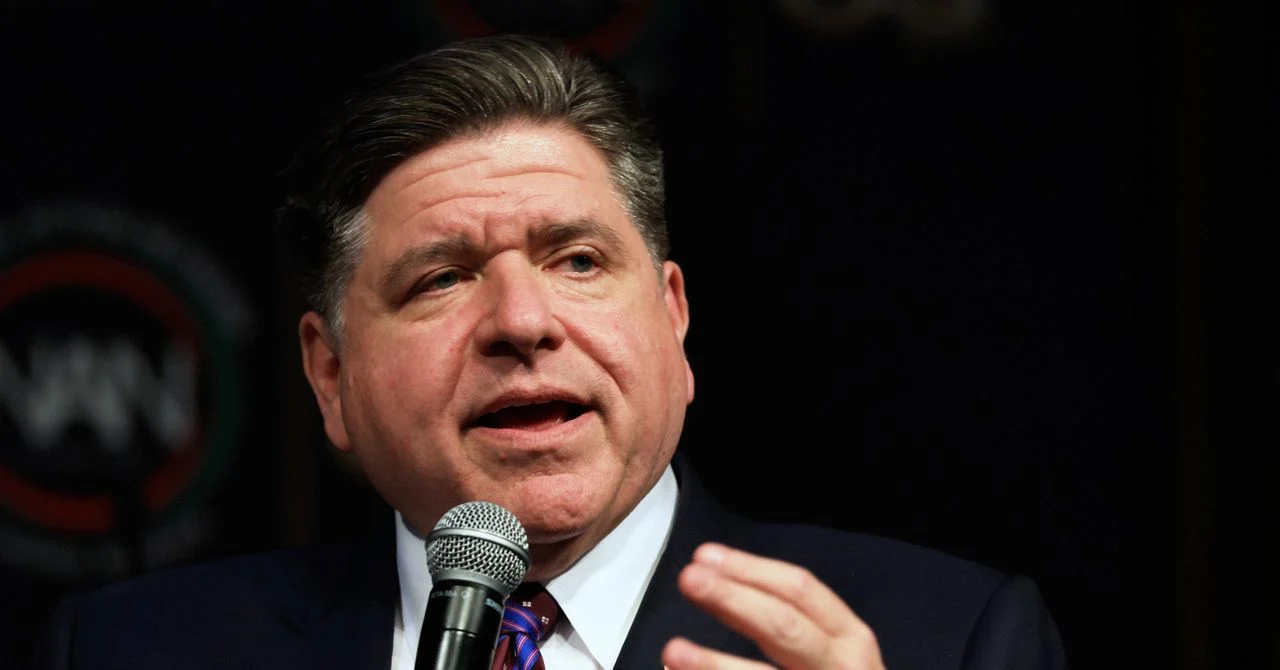
Illinois lawmakers have passed Senate Bill 315, a groundbreaking AI safety bill that mandates frontier AI companies such as OpenAI, Anthropic, and Google DeepMind to undergo independent third-party audits verifying their adherence to self-imposed safety standards. The bill now awaits signature from Governor JB Pritzker, who has expressed intent to sign it into law, emphasizing the need to hold major tech firms accountable.
What happened
The Illinois House of Representatives approved SB 315, requiring leading AI labs to have their safety practices audited by independent entities, a first-in-the-nation measure. Unlike existing laws in California and New York, which require disclosure of safety incidents and guardrails, Illinois’ law compels AI developers to submit to third-party verification that their safety commitments are genuinely followed.
Experts note that this law addresses a key concern that AI companies currently “grade their own homework” regarding safety compliance. Potential auditors could include major accounting firms such as Deloitte, EY, KPMG, and PwC or members of the AI Evaluator Forum, a coalition of smaller research organizations specializing in AI safety assessments.
Illinois State Representative Daniel Didech, a sponsor of the bill, highlighted the role of state legislatures in shaping AI policy as a testing ground for prospective federal regulations. OpenAI and Anthropic publicly endorse the bill, citing its importance in establishing baseline safety standards. However, some Silicon Valley trade groups, including the Chamber of Progress, oppose the law, arguing it risks exposing sensitive AI systems without clear regulatory standards.
Why it matters
This legislation sets a national precedent by enforcing third-party verification of AI safety practices, potentially increasing transparency and accountability in an industry facing rising public and governmental scrutiny. With no comprehensive federal AI safety legislation currently in place, states like Illinois are becoming key arenas for AI regulatory frameworks. The bill’s passage coincides with growing public demand for AI oversight amid rapid advancements and significant market interest in AI technologies.
Background
Prior state AI laws in New York and California mainly focus on requiring AI labs to disclose safety information and incident reports but stop short of mandating independent verification. Illinois is now poised to become the first state compelling third-party audits, a feature that experts argue could mitigate risks by independently assessing whether AI labs meet their own safety pledges.
Meanwhile, at the federal level, AI regulation remains fragmented. President Donald Trump’s administration has taken steps to roll back AI regulatory efforts, emphasizing competitiveness over cautious oversight. This dynamic has increased the importance of state-level interventions like Illinois’ SB 315 in shaping the future AI regulatory landscape.
Sources
This article is based on reporting and publicly available information from the following source:
Read more AI Regulation stories on Goka World News.