
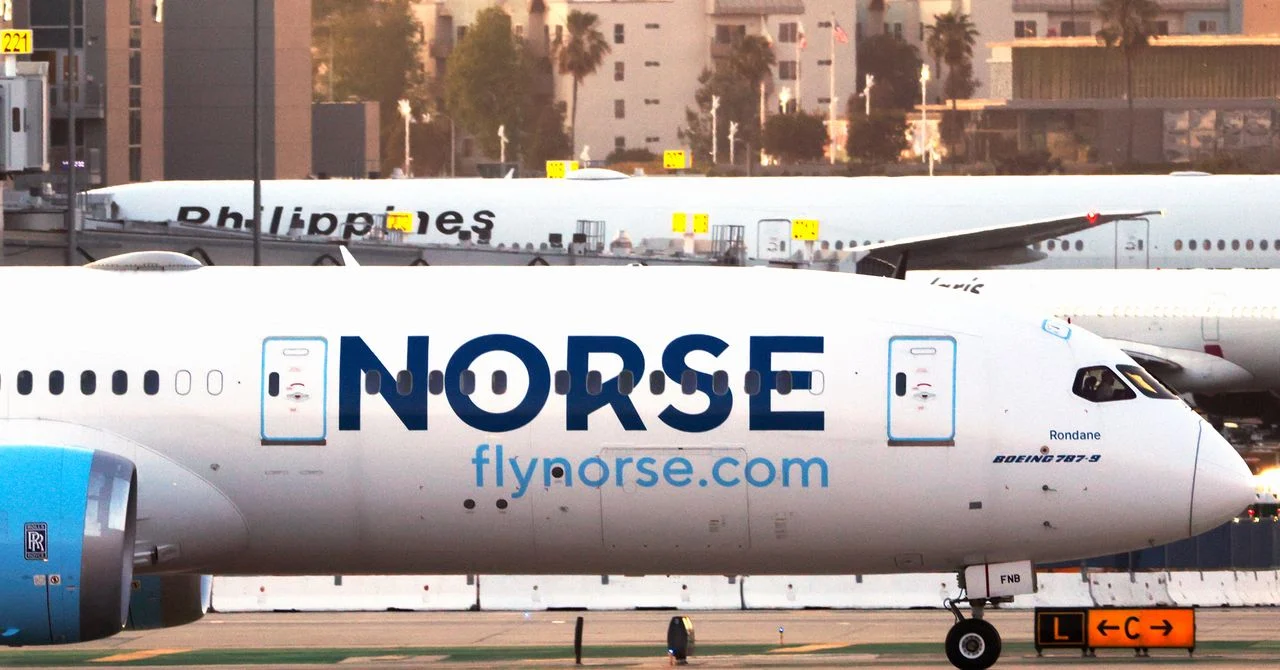
Norse Atlantic Airways, a low-cost long-haul airline, has encountered widespread customer complaints due to its tech-heavy customer service model, which has contributed to passengers losing money to scams and facing difficulty obtaining refunds.
What happened
Multiple passengers reported their flights with Norse Atlantic were canceled, but they were unable to get refunds or assistance due to the airline’s lack of traditional customer support channels. The airline relies predominantly on AI-powered agents, with no publicly listed phone number or direct human contact for customers. Several individuals seeking help online were directed to fraudulent phone numbers and websites impersonating Norse Atlantic, resulting in financial losses. Complaints submitted to the Federal Trade Commission (FTC) detailed losses often exceeding $1,000, and numerous passengers described being preyed upon by scammers when attempting to resolve issues.
The airline’s chief customer officer, Bård Nordhagen, defended the AI-focused approach, stating it “helps maintain low fares” while managing customer inquiries. Norse Atlantic uses an AI agent named Freya, which reportedly handles 99% of passenger questions. However, users say interacting with this system is frustrating and ineffective for complex problems. Norse has also reduced its administrative staff, further emphasizing automation over human support.
Passengers have also reported no Norse staff presence at airports and being forced to make expensive alternative travel arrangements. In at least one case, a passenger was denied boarding at a foreign airport due to the airline’s limited on-site staff and lack of direct communication methods.
Why it matters
The failure of Norse Atlantic’s AI-centered customer service model exposes travelers to scams and financial harm, raising important questions about the risks of automating critical support functions, especially in industries involving significant consumer payments. The absence of a reliable human contact amplifies vulnerability during disruptions, a common occurrence in air travel. Regulatory bodies like the FTC are now examining complaints to address these consumer protection gaps. For passengers, this case is a cautionary example of the potential downsides of automated support replacing traditional human interaction.
Background
Norse Atlantic Airways was founded in 2021 as a low-cost, long-haul airline aiming to reduce operational costs by leveraging technology. It initially used AI chatbots like Odin and now relies on the AI agent Freya to handle most customer interactions. The airline’s website does not provide a customer service phone number, encouraging use of AI channels for all inquiries. This approach aligns with broader trends among budget carriers to improve efficiency but has sparked criticism amid rising reports of scams connected to absent human oversight. This controversy emerges as Norse also contemplates a sale or merger following recent staff cuts and operational challenges.
Sources
This article is based on reporting and publicly available information from the following source:
Read more Artificial Intelligence stories on Goka World News.