
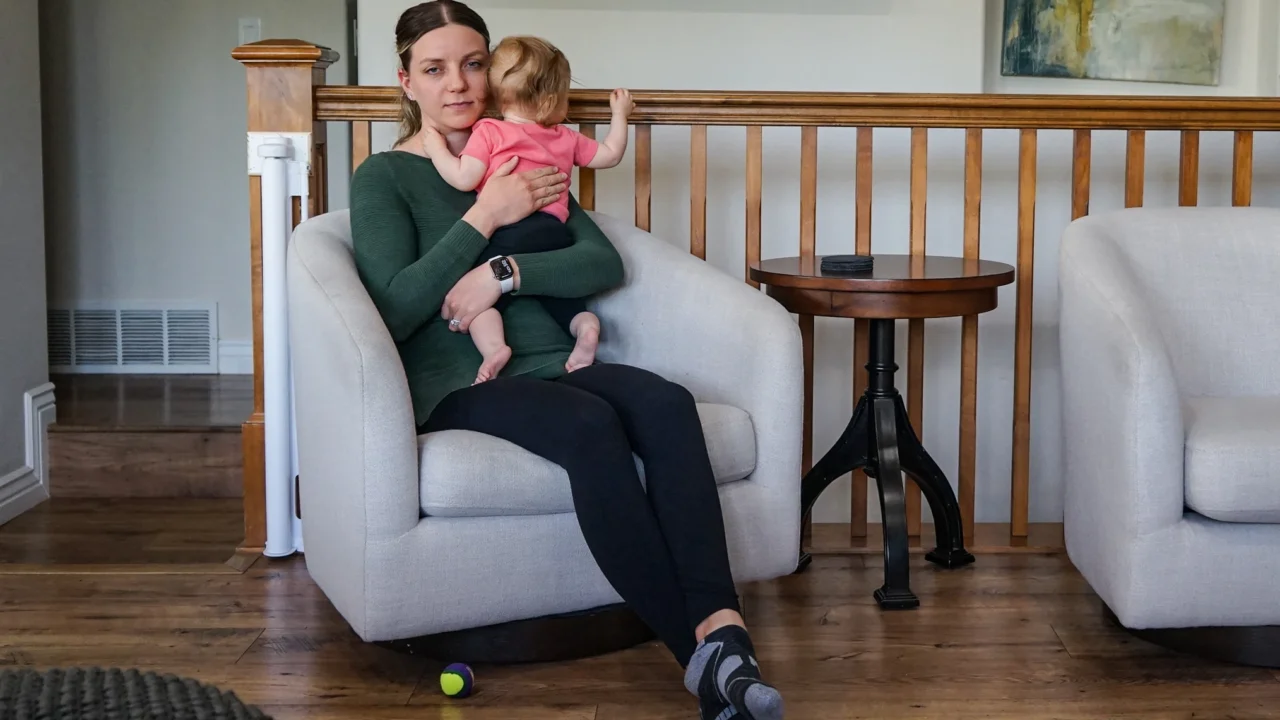
A significant measles outbreak affecting Utah and northern Arizona has infected more than 950 people since August, according to state epidemiologists and healthcare workers. The resurgence has stretched public health resources and raised concerns over decreasing vaccination rates in the region, particularly among communities resistant to immunization.
What Happened
Beginning in August last year, measles cases in southern Utah and northern Arizona surged, spreading across all health jurisdictions in the state by March. The outbreak, initially centered in undervaccinated communities near the Arizona border, has grown to include nearly 1,000 confirmed cases. Genetic analyses suggest the actual number of infections could be more than six times higher than reported. The outbreak has persisted into 2026, with U.S. cases surpassing 2,000 for the first half of the year—already exceeding the previous full-year total for 2025.
Key Facts
- Over 950 confirmed measles cases in Utah and northern Arizona since August last year.
- Measles detected in every county’s health jurisdiction across Utah by March 2026.
- Estimated true cases potentially 6.5 times higher than confirmed.
- Vaccination rates below 80% in southwest Utah, under the 95% herd immunity threshold.
- Only 4% of recent U.S. measles cases occurred in fully vaccinated individuals.
- Medical costs per measles patient can exceed $33,000; antibody treatments range between $500 and $1,000.
Why It Matters
The outbreak has put significant pressure on hospitals and public health systems, disrupted school attendance, and increased medical expenses for affected families. Newborns and immunocompromised individuals require costly antibody infusions to mitigate severe infection risks. The decline in vaccination coverage, fueled partly by alternative health beliefs and misinformation, threatens to reverse decades of progress in controlling vaccine-preventable diseases.
Background
Measles was declared eliminated in the U.S. 25 years ago, with sporadic outbreaks effectively contained through targeted isolation and quarantine in undervaccinated communities. However, vaccination rates in Utah have declined steadily since the COVID-19 pandemic, driven by factors including widespread alternative health practices and vaccine hesitancy in certain religious and cultural groups, such as communities linked to the Fundamentalist Church of Jesus Christ of Latter-Day Saints. Exemptions from school vaccination requirements are easily obtained for personal or religious reasons.
Analysis
Utah state epidemiologist Leisha Nolen described the shift from attempting to contain measles to mitigation strategies, acknowledging that the outbreak reached a level beyond control early this year. Pediatricians like Ben Dowse and Emilie Morris report emotional strain treating unvaccinated children with severe symptoms and trying to persuade hesitant parents on the benefits of vaccine interventions. Dr. Nathan Money expressed frustration over the lack of effective public messaging and leadership to curb the outbreak, emphasizing the uphill battle faced by healthcare professionals.
Who Is Affected
- Children and newborns, particularly those too young to be vaccinated or unvaccinated due to parental hesitancy.
- Communities in southern Utah and northern Arizona, notably areas with low immunization such as Hildale where only 30% of kindergartners are fully vaccinated.
- Healthcare providers managing increased patient loads and implementing complex preventive measures.
- Families experiencing disrupted schooling, extended illness, and significant medical costs.
What Remains Unclear
- The exact total number of measles cases due to underreporting and limited testing.
- The full impact of ongoing vaccine hesitancy trends post-pandemic on future outbreaks.
- The effectiveness of current public health campaigns against entrenched misinformation.
- Whether state and federal policies will change to address vaccination exemptions and misinformation more aggressively.
What Comes Next
Health officials and pediatricians have called for comprehensive education campaigns to combat misinformation and improve vaccine uptake. There are no confirmed regulatory changes yet announced, but ongoing efforts focus on improving vaccination rates and supporting healthcare workers managing the outbreak.
Sources
This article is based on reporting and publicly available information from the following source:
Read more Health & Public Health stories on Goka World News.