
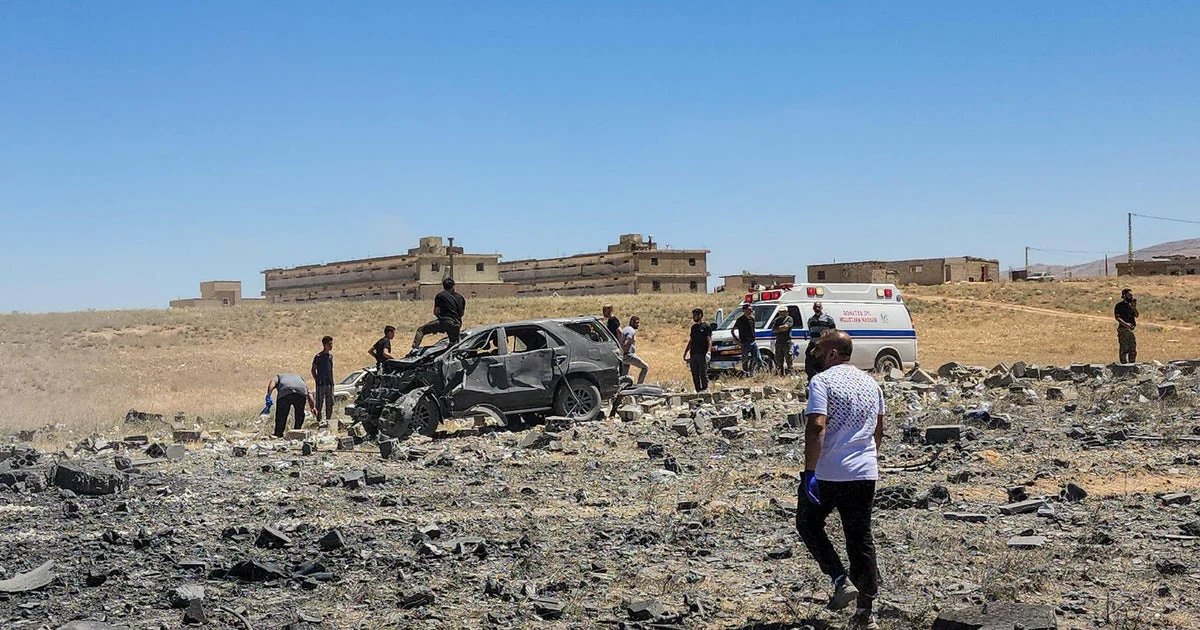
Israel and Hezbollah have agreed to a ceasefire to end intense clashes in Lebanon, stopping the deadliest flare-up since a newly signed U.S.-Iran memorandum of understanding came into effect this week. The truce, confirmed by diplomatic sources, marks a critical moment in a conflict that threatened to unravel fragile regional diplomacy.
What Happened
On June 19, 2026, Israel and the Iran-backed Lebanese militant group Hezbollah agreed to a ceasefire in Lebanon, with the truce scheduled to begin at 9 a.m. Eastern Time that day. The fighting had escalated following a recent memorandum of understanding between the United States and Iran, signed just days prior by President Trump and Iran’s President Masoud Pezeshkian, which called for hostilities to end on all fronts, including Lebanon. Despite Hezbollah and Israel not being direct parties to this U.S.-Iran deal, the violence between the two resumed, posing a threat to the broader peace efforts.
Key Facts
According to the Lebanese health ministry, at least 47 people were killed and 97 wounded during the latest Israeli airstrikes and bombardments in Lebanon. Among the dead were seven women and two children. Israel reported four of its soldiers were killed in a Hezbollah attack on a tank. This outbreak represented Israel’s deadliest attacks in Lebanon since the recent U.S.-Iran agreement. Hezbollah accused Israel of persistent ceasefire violations dating back nearly two years, while Israel asserted that its military would continue operations until the Hezbollah threat was eliminated.
What This Means
The ceasefire halts a significant escalation in southern Lebanon that risked jeopardizing delicate international diplomacy aimed at de-escalating multiple conflicts in the Middle East. The fighting disrupted planned U.S.-Iran negotiations set to begin in Switzerland, which were postponed due to the hostilities. For regional populations, the truce offers a reprieve from immediate violence and civilian casualties, although the underlying tensions between Israel and Hezbollah persist unabated. International stakeholders view the ceasefire as a necessary step to maintain momentum for broader peace talks, yet the fragility of such agreements underscores the challenge of stabilizing regional security.
Background
The recent hostilities follow a renewed memorandum of understanding between the U.S. and Iran, intended to end ongoing conflict and nuclear tensions. Signed by President Trump and Iran’s president on June 17, the agreement demands a cessation of hostilities on all fronts, including Lebanon. Nevertheless, neither Israel nor Hezbollah were signatories to this agreement, limiting its immediate impact on their conflict. Hezbollah has accused Israel of long-standing violations of ceasefire terms since November 2024, while Israel maintains it responds proportionally against persistent Hezbollah threats along its northern border.
What Comes Next
Mediators from Pakistan, Saudi Arabia, Turkey, and Egypt are scheduled to meet in Cairo on Sunday, June 21, to discuss regional peace and security developments, including the Lebanon situation. The U.S. and Iran plan to reschedule their postponed talks in Switzerland once conditions stabilize. Iranian officials have indicated that planning is underway for a direct meeting between the two countries in the coming days to advance the peace process.
Sources
This article is based on reporting and publicly available information from the following source:
Read more World News stories on Goka World News.