
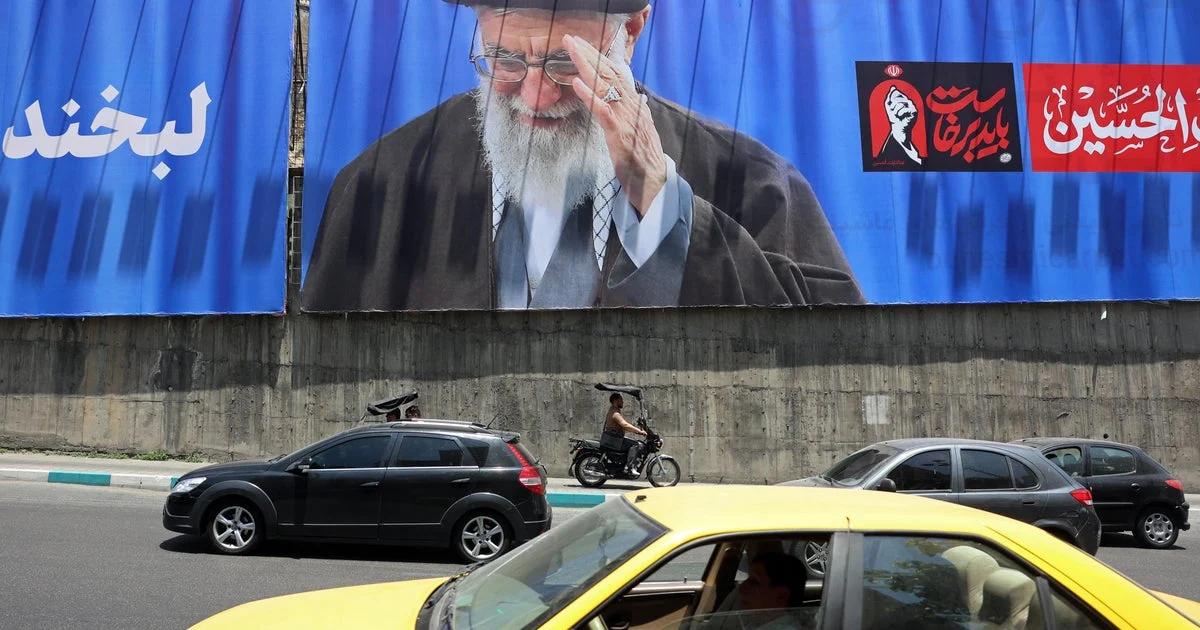
U.S.-Iran negotiations paused in early July as Iran began a dayslong funeral procession honoring its slain Supreme Leader, Ayatollah Ali Khamenei. The pause comes amid cautious optimism from both sides after recent indirect talks aimed at ending the ongoing conflict and advancing denuclearization efforts.
What Happened
The funeral for Ayatollah Ali Khamenei, who was killed in U.S.-Israeli strikes on February 28, 2026, began on July 4 and is scheduled to last until July 9. It is centered around Tehran’s Grand Mosalla religious complex, moving through various cities in Iran and neighboring Iraq. Iranian authorities expect 15 to 20 million mourners and dignitaries from approximately 30 countries to attend, with extensive city lockdowns including airspace closures planned in Tehran.
Negotiations between U.S. and Iranian officials resumed last month through Qatari and Pakistani mediators in Doha. Both sides reported “positive progress,” with President Donald Trump describing the talks as moving well toward Iran’s denuclearization. However, the talks officially paused ahead of the funeral out of respect and logistical necessity. Mediation teams announced that talks would resume as soon as possible after the funeral ceremonies conclude.
Key Facts
Iran’s chief negotiator urged citizens to participate massively in funeral events to “avenge” Khamenei’s death, reflecting the regime’s intent to project unity and strength during this sensitive period. Key figures such as General Ahmad Vahidi of the Revolutionary Guard, who had been in hiding since February, surfaced publicly to oversee funeral arrangements. Vahidi has been influential in shaping Iran’s firm negotiating stance and is believed to be close to Iran’s new Supreme Leader, Mojtaba Khamenei.
Despite these developments, Iran’s nuclear program remains a sticking point, with questions unresolved about uranium enrichment levels and stockpiles. The U.S. continues to insist on full denuclearization, including dismantling all enriched uranium capabilities—a demand Iran has historically rejected. Talks so far have deferred these hardest issues to future sessions.
The strategic Strait of Hormuz also remains a highly contentious element, with Iran demanding sovereignty control alongside Oman, while the U.S. insists on maintaining full freedom of navigation.
What This Means
This temporary halt in negotiations reflects the deep interconnection between domestic political rituals in Iran and the broader geopolitical dynamics influencing U.S.-Iran relations. The funeral of Khamenei—the symbolic heart of Iran’s theocratic regime—likely serves to consolidate internal power and public sentiment before potentially finalizing any major diplomatic agreements.
For U.S. policymakers and regional actors, the pause underscores the fragility and complexity of peace efforts. Although progress is reported, the suspension of talks signals that deep mistrust and unresolved disputes over nuclear capability and control of vital waterways continue to pose serious challenges. Ordinary citizens and businesses dependent on stable Gulf trade routes might experience ongoing uncertainty, especially given Iran’s insistence on asserting control over the Strait of Hormuz, a critical chokepoint for global oil shipments.
The funeral draws international attention and may influence the negotiating climate by highlighting Iran’s resilience and the stakes involved, potentially hardening the country’s bargaining position while also providing a moment for diplomatic reassessment on both sides.
What Comes Next
The mediators from Qatar and Pakistan have committed to scheduling the next round of talks as soon as the funeral concludes on July 9. Meanwhile, regional tensions remain elevated, with ongoing scrutiny of Iran’s nuclear facilities and military posture. The Biden administration’s successors and their counterparts will likely face continued challenges balancing diplomacy and security concerns in the coming weeks.
Sources
This article is based on reporting and publicly available information from the following sources:
Read more World News stories on Goka World News.