
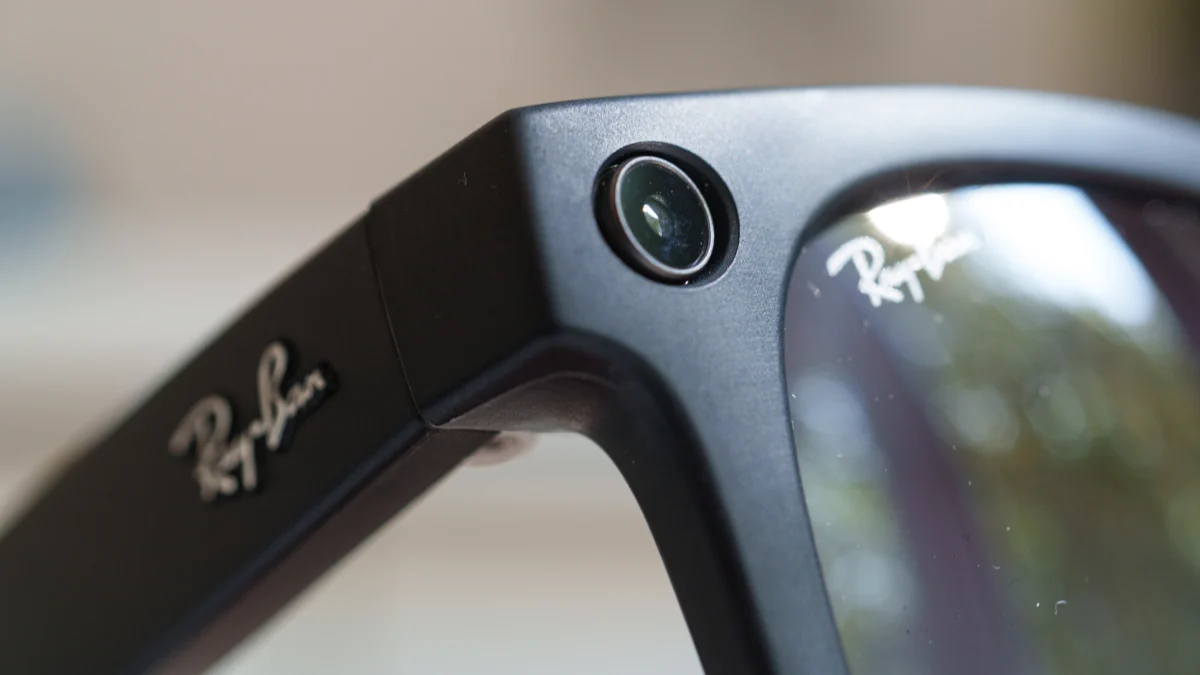
Meta’s AI-powered smart glasses have sparked a privacy backlash in India after footage captured without consent at a trans rights protest was shared widely on Instagram, leading to transphobic harassment. The incident highlights growing concerns about civil liberties and content moderation linked to wearable AI technology.
What Happened
In late May 2024, a video recorded using Meta’s Ray-Ban Meta AI smart glasses at a transgender rights protest in Delhi was uploaded to Instagram by a content creator known as Parley, without the consent of the participants. The recording showed Shubnam, a transfeminine person participating in the protest against the Transgender Persons (Protection of Rights) Amendment Bill, 2026, which had been criticized by activists for being regressive despite its approval by lawmakers.
After the video went viral, generating millions of views and widespread transphobic abuse, Instagram initially responded to user reports with automated messages stating the clip did not violate community standards. However, following pressure from LGBTQIA+ groups, Meta later removed the video approximately three weeks after its upload. The content creator received notable attention and notoriety through the platform during this period.
Key Facts
The protest occurred on March 29, 2024, at Delhi’s Jantar Mantar. Meta’s smart glasses feature AI capabilities enabling photo and video capture, voice commands, and carry an LED recording indicator as the sole signal to bystanders that recording is underway.
The affected platform is Instagram, owned by Meta, which also manufactures the glasses in partnership with Ray-Ban and Oakley. The Gen 2 smart glasses cost upwards of 40,000 rupees (~$520). Meta’s terms mandate that users comply with laws and use the glasses respectfully, prohibiting harassment and privacy violations.
The case prompted legal advice for Shubnam and efforts by the Rati Foundation, a civil society group focused on online image abuse, to have unauthorized videos removed from social media. Similar incidents involving recordings of minors on the street had also been addressed by content removals.
What This Means
This incident reveals a growing tension between innovative digital hardware and user privacy rights, especially for vulnerable communities. The integration of AI-powered cameras into wearable tech amplifies risks of unauthorized surveillance and harassment, particularly when consent is absent and platform content moderation is reactive rather than proactive.
With Meta controlling both the device and the platform where such content spreads, questions arise about responsibility for protecting civil liberties and enforcing stricter safeguards. The reliance on a small recording light as notification is widely seen as insufficient, increasing potential for abuse and harming trust in such emerging technologies.
For users, especially marginalized individuals, this case underscores the risks of involuntary exposure and the difficulty of controlling online narratives once content has circulated. It also highlights the broader challenge governments and platforms face in balancing technological innovation with safeguarding privacy and dignity in digital spaces.
Background
The Transgender Persons (Protection of Rights) Amendment Bill, 2026, spurred protests due to concerns that it undermined trans rights. The protests attracted activists wary of surveillance and public outing of gender identity or sexual orientation.
Meta has positioned its smart glasses as innovative consumer electronics capable of assistive functions, particularly for visually impaired users, but privacy advocates have raised alarm about unregulated use and the platform’s dual role in device manufacture and content hosting.
Analysis
Apar Gupta, founder of the Internet Freedom Foundation and Supreme Court lawyer, criticized Meta’s “profiteering without consent” through these glasses, emphasizing the company’s full responsibility as both hardware creator and platform operator. He highlighted the inadequacy of the current recording notification mechanism and the amplified risk of civil liberties violations.
Investigative journalist Julia Lindblom pointed to the complex privacy challenge where AI systems behind these devices can capture data beyond immediate video footage, including audio and contextual personal information, which raises concerns for both bystanders and wearers. She also brought attention to the unseen labor risks faced by data annotators who process such intimate material.
Who Is Affected
The primary affected groups include trans and LGBTQIA+ individuals subject to unwanted recordings and harassment, bystanders unknowingly recorded without consent, and data workers involved in processing the multimedia content. Additionally, users with disabilities benefit from the smart glasses’ assistive features but may face privacy trade-offs.
What Comes Next
Meta has not announced changes to policy or product design in response to these incidents. Legal and advocacy groups continue to seek removal of unauthorized content and call for clearer regulations on privacy and consent in wearable AI technologies.
Sources
This article is based on reporting and publicly available information from the following sources:
Read more Digital Policy stories on Goka World News.