
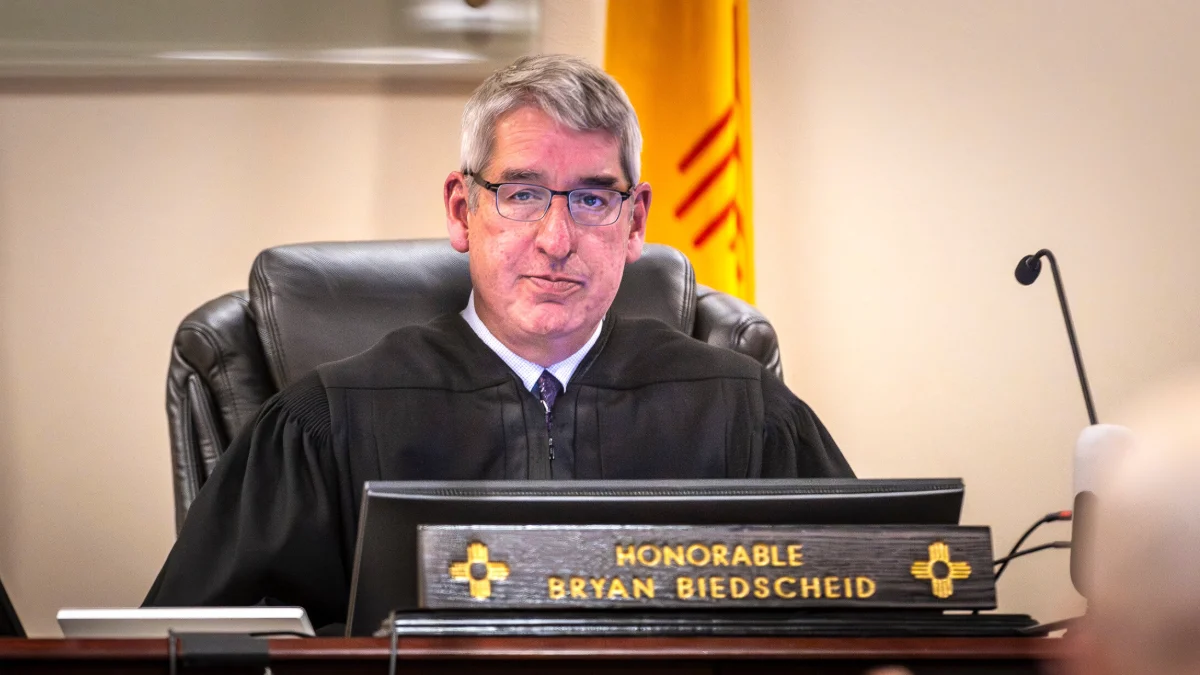
A New Mexico court landmark ruling found Meta Platforms responsible for creating a public nuisance by significantly harming the mental health and safety of underage users on its social media platforms. In a decision issued in March 2026 by Chief District Judge Bryan Biedscheid, Meta was ordered to implement sweeping mandatory reforms aimed at protecting youth and mitigating platform-related risks, marking a pivotal moment in holding Big Tech accountable for product-related public health consequences.
What Happened
On March 24, 2026, in New Mexico’s First Judicial District Court, Chief District Judge Bryan Biedscheid delivered a verdict in the second phase of State of New Mexico v. Meta Platforms, Inc.. The court found that Meta’s Facebook and Instagram platforms had caused a public nuisance by contributing to a youth mental health epidemic and other harms. Building on an earlier jury finding that Meta misrepresented the safety of its social media products, the judge imposed detailed, legally binding requirements on the company’s treatment of under-18 users. Meta has announced its intention to appeal the ruling.
Key Facts
The ruling is specific to New Mexico’s jurisdiction and addresses the social media industry through the lens of public nuisance law, traditionally used against harms caused by products like tobacco. Highlights include:
- Recognition that Meta’s platforms create a public nuisance injuring “public health, safety, and welfare” of youth in New Mexico.
- Ordered reforms for all under-18 users: default private settings, exclusion from adult search results and recommendation algorithms, and preventing unconnected adults from messaging minors.
- A strict “one-strike” policy for adult users engaging in child sexual exploitation, including device-level account bans and future account prevention.
- Requirements to add visible, human-reviewed reporting mechanisms for unwanted sexual advances with 48-hour response mandates.
- A ban on “romantic or sexualized” contact between children and AI chatbots.
- Removal of push notifications during school and nighttime hours for minors, hiding like counts, and a 90-hour monthly use limit across Meta’s platforms.
- Mandated warning banners for users and daily safety feature highlights for minors.
The case referenced internal Meta communications revealing the company’s awareness of high-risk user groups spending excessive time on platforms, underscoring a failure to adequately respond.
What This Means
This ruling signifies a fundamental legal shift: social media companies may now be held responsible not just for broad impacts but for harms concentrated on vulnerable user groups, such as minors with disproportionate platform exposure. The decision pushes beyond abstract arguments about social media’s “average” effect by spotlighting the catastrophic risks to identifiable minorities—much like past public health litigation against tobacco companies.
For industry, the verdict imposes concrete safety and privacy mandates aimed at limiting harmful exposure and improving accountability, setting a precedent that could influence similar lawsuits and regulatory actions nationwide. The case challenges companies to prioritize outcome-driven product design, rather than mere procedural defenses or partial content moderation programs.
For users and public health advocates, the decision acknowledges the urgent need for protective measures tailored to those most at risk from social media, including limits on features linked to excessive use, harassment, and child exploitation. It may inspire further scrutiny of AI-driven content recommendation and communication tools, especially concerning interactions with minors.
Background
The ruling builds on the first phase of litigation where a jury found Meta had misrepresented the safety of its platforms. It applies the legal doctrine of public nuisance, historically used in tobacco and other harmful product litigation, to modern digital platforms. The court deliberated on internal Meta research revealing that small groups of users consumed disproportionately high amounts of content, a factor obscured in public debates focused on average social media use.
Judge Biedscheid’s decision recognized that Meta’s business model prioritized product engagement over user safety, especially for vulnerable minors, and enforced legal obligations to abate these harms through operational reforms.
What Remains Unclear
Meta has declared its intent to appeal the ruling, so the final legal standing of these obligations remains uncertain. Additionally, the judge refrained from imposing certain stronger measures related to age assurance, algorithm modification, autoplay controls, and infinite scroll, citing regulatory gaps and COPPA limitations, leaving room for future legislative or regulatory clarification.
What Comes Next
The legal process will advance with Meta’s forthcoming appeal, and the scope of enforcement depends on how appellate courts respond. The ruling may spur other states or jurisdictions to pursue similar public nuisance claims or legislative initiatives aimed at regulating social media’s impact on youth.
Sources
This article is based on reporting and publicly available information from the following sources:
Read more Digital Policy stories on Goka World News.