
Washington, D.C. is facing criticism after revealing plans to allocate opioid settlement funds toward covering existing Medicaid costs and previously funded addiction treatment programs. Advocates and city officials warn that this approach violates the purpose of the settlement money, which was intended to expand and innovate addiction recovery efforts.
What Happened
For years, Washington, D.C. has financed Medicaid—a state-federal health insurance program for low-income residents—through its general budget. However, the fiscal year 2027 budget proposal marks a shift to using more than $2.3 million of opioid settlement funds to help cover the city’s Medicaid contribution. Additionally, at least $5.5 million of the settlement money is slated to replace general funds for addiction treatment centers.
The opioid settlement funds originate from multi-billion-dollar payouts by pharmaceutical companies and distributors accused of fueling the overdose crisis. Nationwide, states and local governments expect to receive over $50 billion across nearly two decades, with Washington, D.C.’s share exceeding $100 million. These funds are designated specifically for combating the opioid epidemic through new and enhanced initiatives.
Key Facts
The city’s proposed budget reallocates about $7.8 million in total opioid settlement funds, directing part of it to Medicaid and existing treatment services rather than new programs. More than 80 individuals and over 30 organizations representing addiction recovery interests signed a letter expressing opposition to this plan, arguing that it constitutes “supplantation”—using the funds to cover obligations that would otherwise be paid through the general budget.
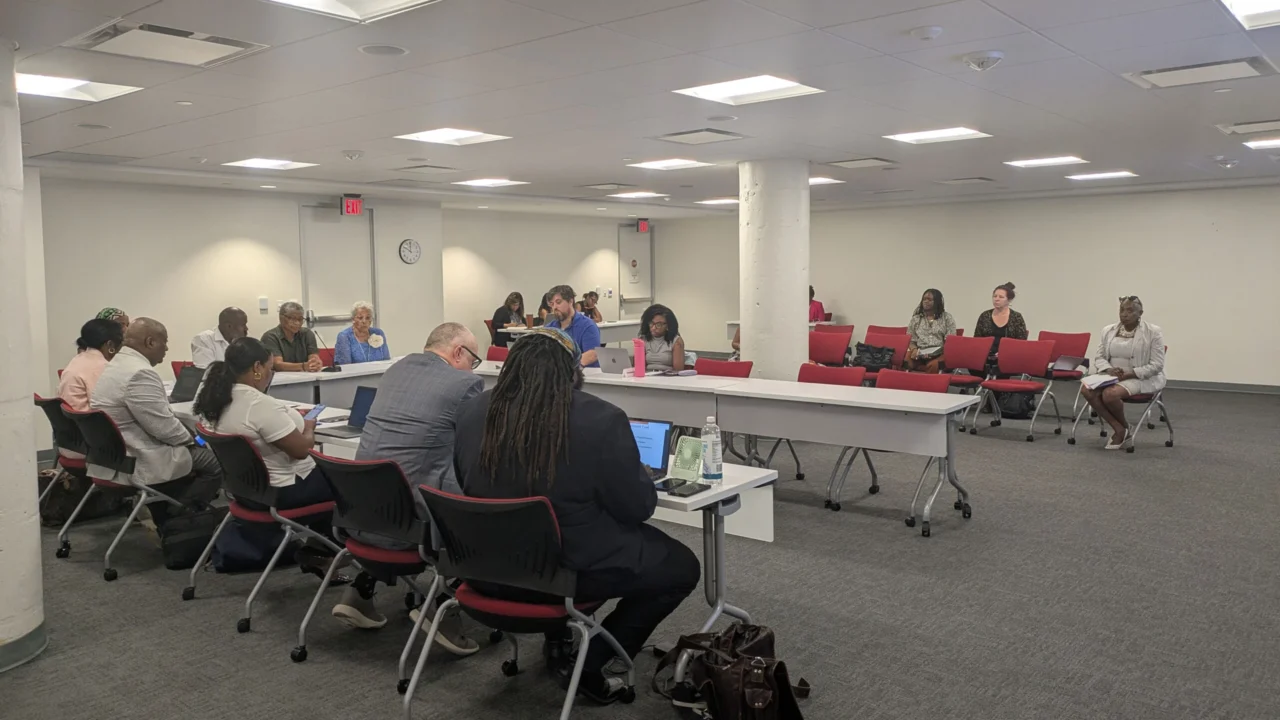
Washington’s Opioid Abatement Advisory Commission, established to oversee the allocation of settlement funds, also criticized this strategy. Chair Chad Jackson stated the city’s opioid abatement law requires these monies to “supplement, not supplant” existing funding. Councilmember Christina Henderson and Attorney General Brian Schwalb echoed concerns in a July 17 letter to the Department of Behavioral Health (DBH), requesting clarification on the legality of the $2.3 million Medicaid allocation.
What This Means
Redirecting opioid settlement funds to cover existing Medicaid costs and previously funded services risks undermining the intent of this special revenue stream. The money was legally mandated to support new and innovative approaches to the opioid crisis, expanding treatment access or introducing novel interventions rather than simply maintaining current spending levels.
By substituting settlement funds for general budget dollars, Washington, D.C. may be limiting opportunities to enhance addiction recovery programs or address emerging challenges in the drug supply. This budgetary maneuver is drawing ire from advocates who stress the ongoing urgency of the overdose epidemic in the district and call for greater accountability and transparency.
Moreover, the controversy highlights the tension local governments face in balancing fiscal pressures with the ethical use of dedicated funds. With federal funding cuts and inflation squeezing state and local budgets, some officials are tempted to view opioid settlement payments as flexible revenue rather than a targeted resource. The pushback from community organizations and legal advisors serves as a reminder of the importance of adhering strictly to the settlement’s legal and moral framework.
Background
The opioid settlement funds arose from litigation against pharmaceutical companies deemed responsible for the widespread opioid crisis. The settlements are distributed to states and local jurisdictions with the explicit purpose of funding programs that mitigate opioid addiction and prevent overdoses. Washington, D.C.’s opioid abatement law requires that the funds supplement existing spending, aiming to ensure they enhance rather than replace current resources.
What Remains Unclear
It is not yet confirmed whether the Department of Behavioral Health met the July 31 deadline to respond to the D.C. Council and Attorney General’s inquiry about the legality of using opioid funds for Medicaid costs. The department maintains it is “committed to compliance with all statutory requirements” but has not publicly clarified how it justifies this budget allocation under the opioid abatement law.
Furthermore, the final approval of the city’s budget is pending a 30-day congressional review, the last procedural step in Washington, D.C.’s budgeting process. Outcome details of this review, including any possible adjustments to the proposed use of opioid settlement funds, remain unknown.
Sources
This article is based on reporting and publicly available information from the following sources:
Read more US News stories on Goka World News.