
California’s effort to make insulin more affordable through its own generic drug label, CalRx, has so far seen limited distribution despite ambitious goals to disrupt high drug prices, according to state health officials and pharmacy sources. Seven months after its launch, CalRx insulin has reached a fraction of the state’s estimated diabetes patients, reflecting early challenges in scaling the program.
What Happened
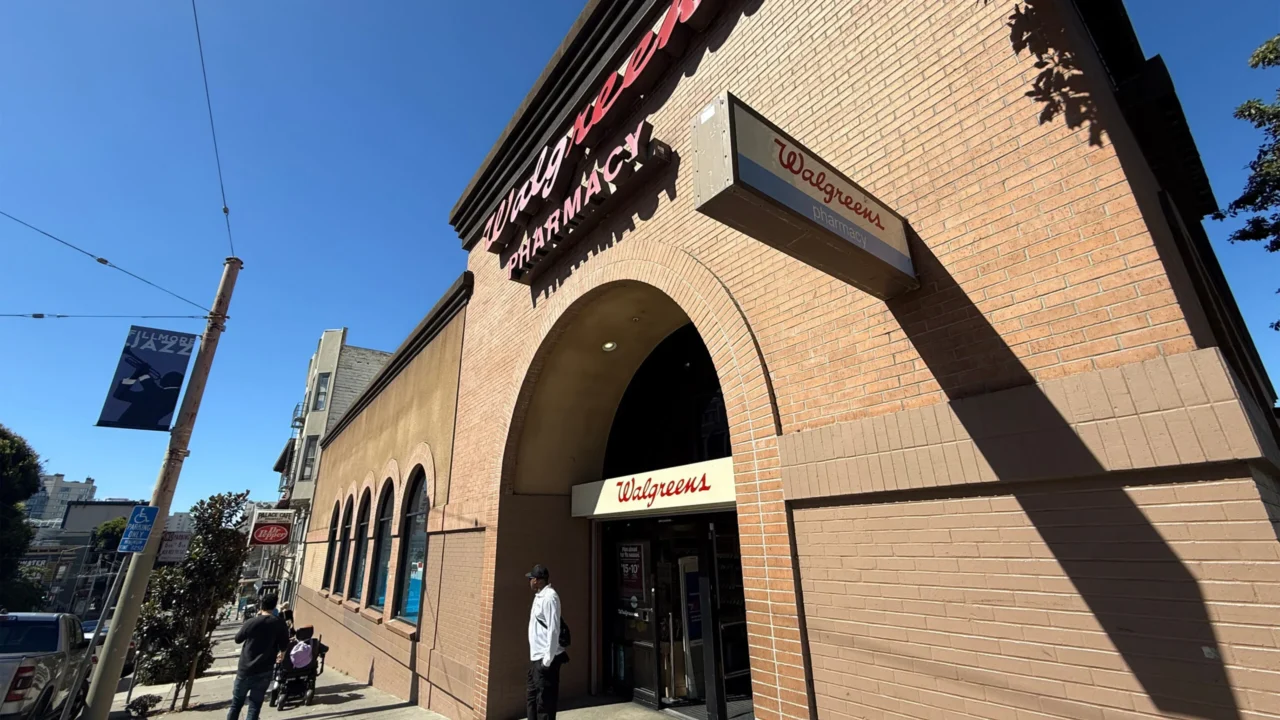
CalRx insulin, a long-acting biosimilar insulin glargine priced at $55 per five-pen pack, was introduced as a state-backed alternative to costly brand-name insulin drugs sold between $89 and $411 per pack. The initiative, launched by California Governor Gavin Newsom, aims to provide affordable insulin for uninsured residents and serve as an emergency backup supply. By mid-2024, more than 120,000 packs had been distributed across pharmacies in California, including Walgreens and CVS, where pharmacists stock the product for patients lacking insurance or facing urgent needs.
Though CalRx contracts with major pharmaceutical distributors and health insurers such as Anthem Blue Cross and Blue Shield of California are in place, many pharmacists remain unaware of the product or have limited stock on hand. Some clinicians report confusion about its availability and interchangeability with common insulin brands like Lantus, which recently experienced back orders. The program continues to roll out additional generic drugs, including naloxone for opioid overdoses and soon epinephrine injectables for allergic emergencies.
Key Facts
California’s generic insulin initiative is backed by a $50 million agreement with Civica, a nonprofit drug manufacturer. CalRx insulin competes against three major drugmakers controlling 90% of the global insulin market: Eli Lilly, Sanofi, and Novo Nordisk. To date, over 120,000 five-pack units have been distributed statewide. CalRx insulin is offered both with and without insurance and is available at key outlets including Amazon, Costco, Walmart, CVS, and Walgreens.
The program primarily targets the nearly 3.7 million adults with diabetes in California. Agreements exist with four major insurers to cover CalRx insulin on their formularies. Despite this infrastructure, uptake remains modest, with pharmacists frequently unaware of the generic’s availability or how to substitute it for existing prescriptions.
According to a Kaiser Family Foundation poll, approximately 60% of U.S. adults worry about affording prescription drugs, and 40% have adopted cost-saving behaviors such as skipping doses.
What This Means
California’s CalRx insulin represents a pioneering but tentative step in state-managed efforts to lower the cost of essential medicines, signaling a new strategy to challenge entrenched pharmaceutical pricing practices. By producing and distributing generics directly, the state seeks to bypass intermediaries and reduce reliance on discount schemes that can be opaque and inconsistent for patients.
However, the slow penetration of CalRx insulin highlights the barriers public health initiatives face in reshaping complex drug markets. Challenges include limited awareness among pharmacists and patients, insufficient supply at retail pharmacies, and the dominance of established drugmakers and pharmacy benefit managers influencing formulary choices.
For Californians, particularly the uninsured and vulnerable populations, the program offers a potential safety net and more transparent pricing amid rising prescription drug costs nationwide. Yet, its modest current reach suggests broader, coordinated efforts may be needed to achieve substantial pricing reform and diabetic care improvements.
Background
The U.S. spends nearly twice as much per capita on prescription drugs than other industrialized countries. California’s initiative is part of a growing movement to address the high cost of insulin, a life-saving drug for millions with diabetes. The state also recently set insulin price caps and passed legislation aimed at curbing price inflation tactics by pharmacy benefit managers.
Other attempts to address drug affordability include programs like TrumpRx, launched in February 2024 to lower consumer out-of-pocket costs through coupons and savings programs, though it does not manufacture drugs. Experts emphasize that reducing drug prices effectively will require large-scale structural changes to supply and manufacturing.
What Remains Unclear
The state has not disclosed exact figures on CalRx insulin prescriptions filled, reflecting incomplete data on patient uptake. It’s also uncertain how quickly the program can expand to include additional generic drugs such as GLP-1 medications and rapid-acting insulin analogs. The long-term impact on diabetes care costs and patient outcomes remains to be studied.
What Comes Next
California plans to introduce more state-branded generics in the next two years, including epinephrine injectables, tuberculosis treatments, and GLP-1 drugs that have surged in demand but raised cost concerns. Governor Newsom aims to entrench healthcare affordability as a key policy legacy ahead of leaving office.
Sources
This article is based on reporting and publicly available information from the following sources:
Read more US News stories on Goka World News.